


COVID-19 and post-infectious myalgic encephalomyelitis/chronic fatigue syndrome: a narrative review
- PMID: 33959278
- PMCID: PMC8060761
- DOI: 10.1177/20499361211009385
COVID-19 and post-infectious myalgic encephalomyelitis/chronic fatigue syndrome: a narrative review
Abstract
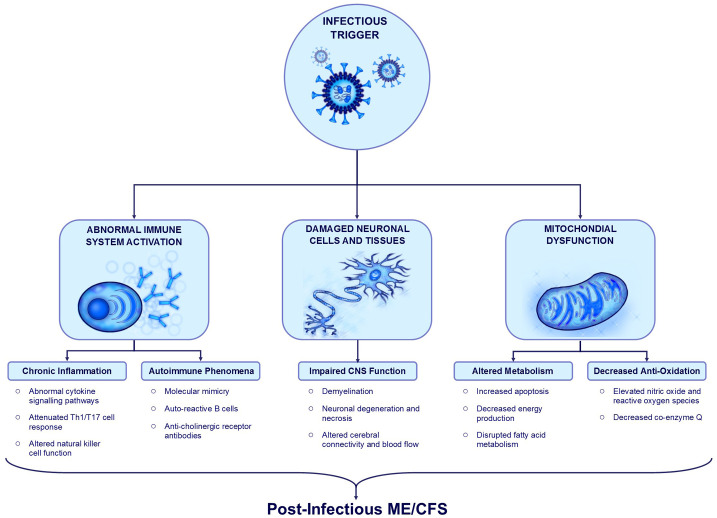
Coronavirus disease 2019 (COVID-19) is a viral infection which can cause a variety of respiratory, gastrointestinal, and vascular symptoms. The acute illness phase generally lasts no more than 2-3 weeks. However, there is increasing evidence that a proportion of COVID-19 patients experience a prolonged convalescence and continue to have symptoms lasting several months after the initial infection. A variety of chronic symptoms have been reported including fatigue, dyspnea, myalgia, exercise intolerance, sleep disturbances, difficulty concentrating, anxiety, fever, headache, malaise, and vertigo. These symptoms are similar to those seen in myalgic encephalomyelitis/chronic fatigue syndrome (ME/CFS), a chronic multi-system illness characterized by profound fatigue, sleep disturbances, neurocognitive changes, orthostatic intolerance, and post-exertional malaise. ME/CFS symptoms are exacerbated by exercise or stress and occur in the absence of any significant clinical or laboratory findings. The pathology of ME/CFS is not known: it is thought to be multifactorial, resulting from the dysregulation of multiple systems in response to a particular trigger. Although not exclusively considered a post-infectious entity, ME/CFS has been associated with several infectious agents including Epstein-Barr Virus, Q fever, influenza, and other coronaviruses. There are important similarities between post-acute COVID-19 symptoms and ME/CFS. However, there is currently insufficient evidence to establish COVID-19 as an infectious trigger for ME/CFS. Further research is required to determine the natural history of this condition, as well as to define risk factors, prevalence, and possible interventional strategies.
Keywords: COVID-19; chronic fatigue syndrome; human coronavirus; myalgic encephalomyelitis; post-infectious fatigue; review.
© The Author(s), 2021.
Conflict of interest statement
Conflict of interest statement: The authors declare that there is no conflict of interest.
Figures
References
-
- Greenhalgh T, Knight M, A’Court C, et al. Management of post-acute covid-19 in primary care. BMJ 2020; 370: m3026. - PubMed
-
- Garner P. Covid-19 at 14 weeks—phantom speed cameras, unknown limits, and harsh penalties. BMJ Opinion, https://blogs.bmj.com/bmj/2020/06/23/paul-garner-covid-19-at-14-weeks-ph.... (2020, accessed 25 October 2020).
Publication types
LinkOut - more resources
Full Text Sources
Other Literature Sources
Medical
