


Age and remission induction therapy for acute myeloid leukemia: An analysis of data from the Korean acute myeloid leukemia registry
- PMID: 33961640
- PMCID: PMC8104390
- DOI: 10.1371/journal.pone.0251011
Age and remission induction therapy for acute myeloid leukemia: An analysis of data from the Korean acute myeloid leukemia registry
Abstract
Objective: The clinical characteristics and therapeutic strategy in acute myeloid leukemia (AML) are influenced by patients' age. We evaluated the impact of age on remission induction therapy for AML.
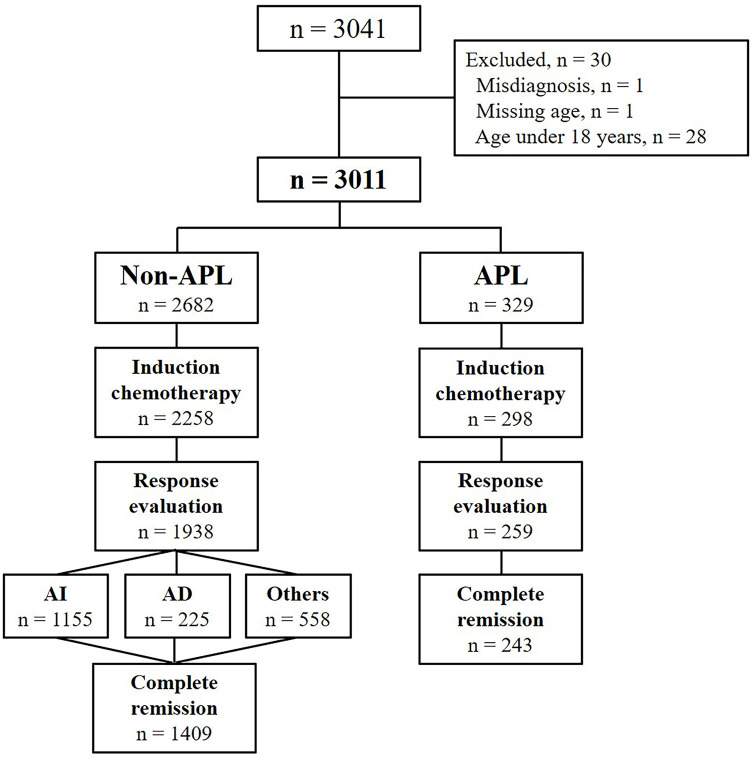
Methods: We retrospectively analyzed 3,011 adult AML patients identified from a nationwide database between January 2007 and December 2011.
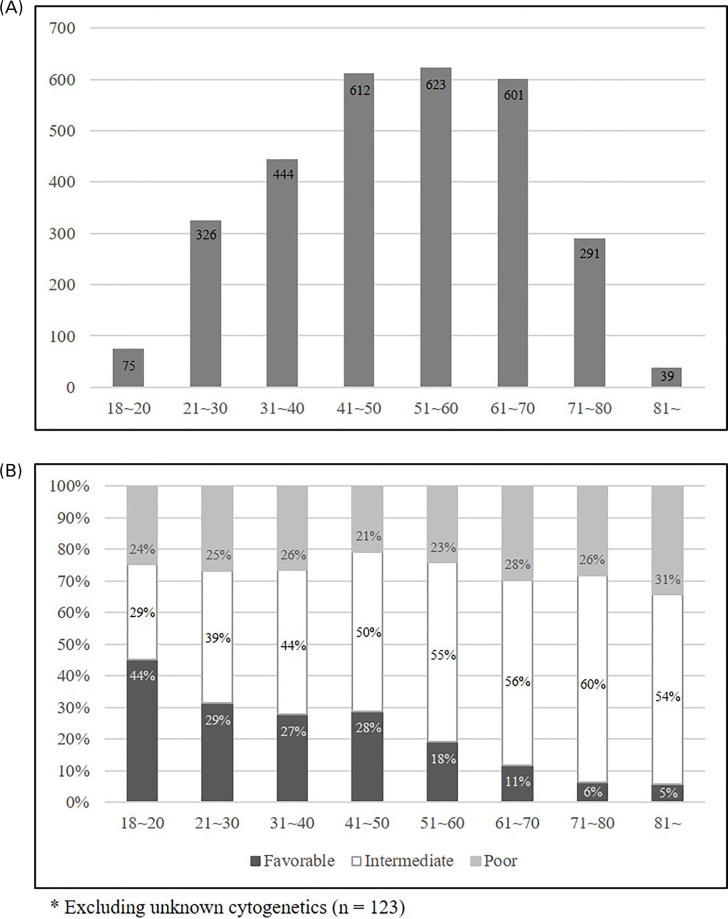
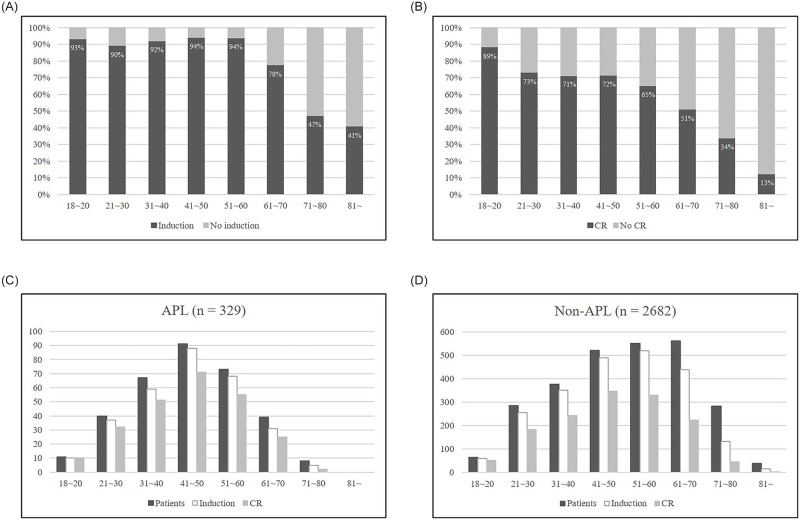
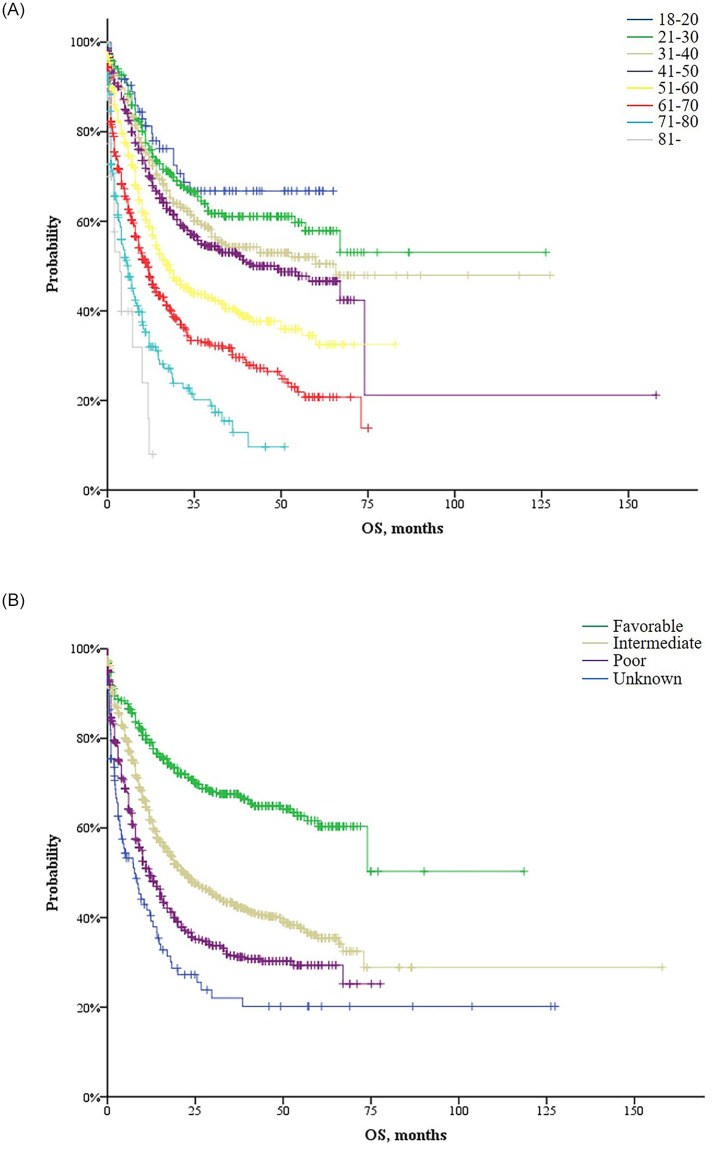
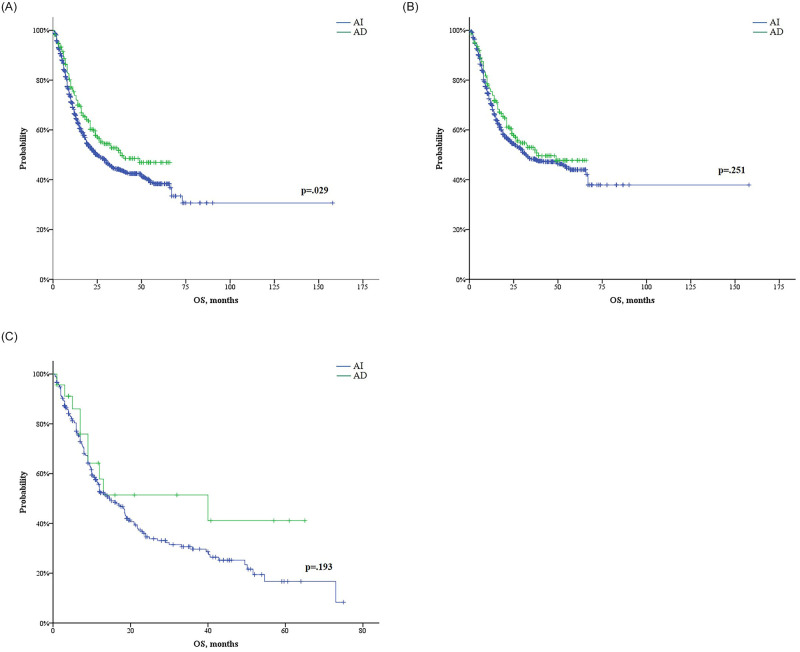
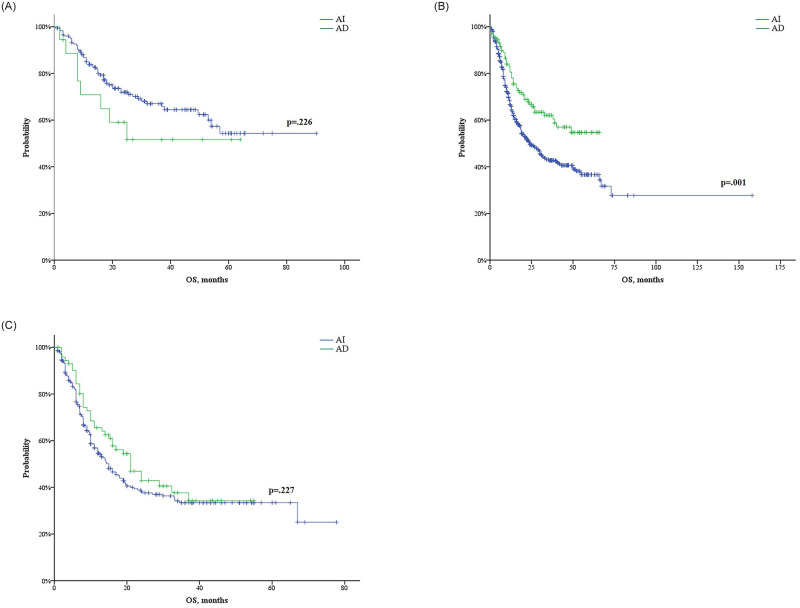
Results: Three hundred twenty-nine (10.9%) acute promyelocytic leukemia (APL) and 2,682 (89.1%) non-APL patients were analyzed. The median age was 51 years and 55% of patients were male. Six hundred twenty-three patients (21%) were at favorable risk, 1522 (51%) were at intermediate risk, and 743 (25%) were at poor risk. As the age increased, the proportion of those at favorable risk and who received induction chemotherapy decreased. After induction therapy, complete response (CR) was achieved in 81.5% (243/298) of APL and 62.4% (1,409/2,258) of non-APL patients; these rates decreased as the age increased, with an obvious decrement in those older than 60 years. The median overall survival of non-APL patients was 18.7 months, while that of APL patients was not reached, with a 75% five-year survival rate.
Conclusions: Age impacts both the biology and clinical outcomes of AML patients. Further studies should confirm the role of induction remission chemotherapy by age group.
Conflict of interest statement
The authors have declared that no competing interests exist.
Figures
References
-
- Williams WJ, Kaushansky K, Lichtman MA, Prchal JT, Levi MM, Press OW, et al. Williams hematology. 2016.
Publication types
MeSH terms
LinkOut - more resources
Full Text Sources
Other Literature Sources
Medical
Research Materials
