


Harmonization of acronyms for volatile organic compound metabolites using a standardized naming system
- PMID: 33962120
- PMCID: PMC9019778
- DOI: 10.1016/j.ijheh.2021.113749
Harmonization of acronyms for volatile organic compound metabolites using a standardized naming system
Erratum in
-
Corrigendum to "Harmonization of acronyms for volatile organic compound metabolites using a standardized naming system" [Int. J. Hygiene Environ. Health 235 (2021) 113749].Int J Hyg Environ Health. 2023 Jan;247:114030. doi: 10.1016/j.ijheh.2022.114030. Epub 2022 Sep 7. Int J Hyg Environ Health. 2023. PMID: 36088239 No abstract available.
Abstract
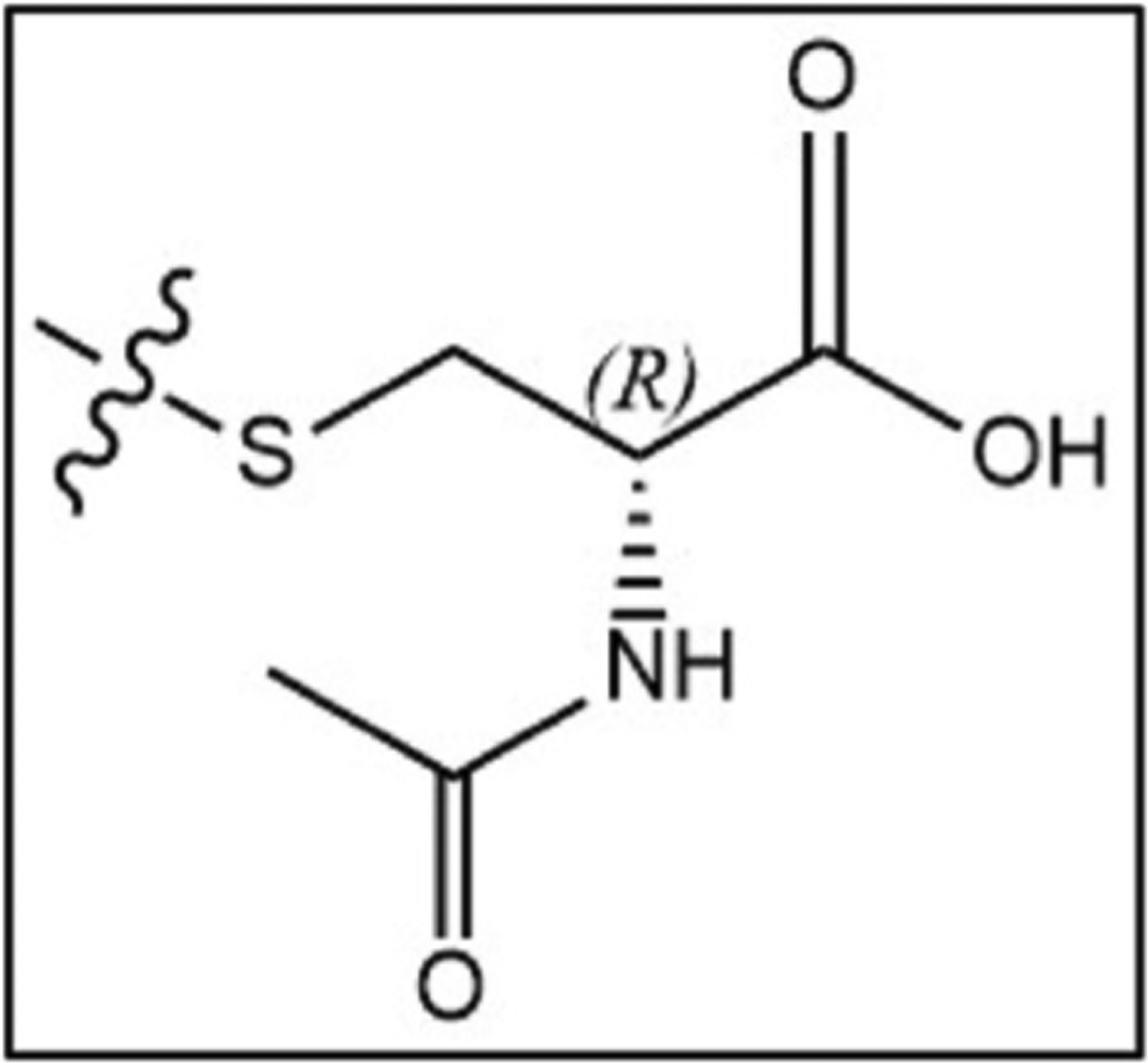
Increased interest in volatile organic compound (VOC) exposure has led to an increased need for consistent, systematic, and informative naming of VOC metabolites. As analytical methods have expanded to include many metabolites in a single assay, the number of acronyms in use for a single metabolite has expanded in an unplanned and inconsistent manner due to a lack of guidance or group consensus. Even though the measurement of VOC metabolites is a well-established means to investigate exposure to VOCs, a formal attempt to harmonize acronyms amongst investigators has not been published. The aim of this work is to establish a system of acronym naming that provides consistency in current acronym usage and a foundation for creating acronyms for future VOC metabolites.
Keywords: Acronyms; Biomonitoring; Mercapturic acids; Naming systems; Volatile organic compound metabolites; Volatile organic compounds.
Published by Elsevier GmbH.
Conflict of interest statement
Declaration of competing interest
None to declare.
Figures
References
-
- Altmann L, Böttger A, Wiegand H, 1990. Neurophysiological and psychophysical measurements reveal effects of acute low-level organic solvent exposure in humans. Int. Arch. Occup. Environ. Health 62, 493–499. - PubMed
-
- Alwis KU, Bailey TL, Patel D, Wang L, Blount BC, 2016. Measuring urinary N-acetyl-S-(4-hydroxy-2-methyl-2-buten-1-yl)-L-cysteine (IPMA3) as a potential biomarker of isoprene exposure. Anal. Chim. Acta 941, 61–66. - PubMed
-
- Bartels MJ, 1994. Quantitation of the tetrachloroethylene metabolite N-acetyl-S-(trichlorovinyl)cysteine in rat urine via negative ion chemical ionization gas chromatography/tandem mass spectrometry. Biol. Mass Spectrom 23, 689–694. - PubMed
Publication types
MeSH terms
Substances
Grants and funding
LinkOut - more resources
Full Text Sources
Other Literature Sources
Research Materials
