


Body image, self-esteem, and sense of masculinity in patients with prostate cancer: a qualitative meta-synthesis
- PMID: 33963973
- PMCID: PMC8881246
- DOI: 10.1007/s11764-021-01007-9
Body image, self-esteem, and sense of masculinity in patients with prostate cancer: a qualitative meta-synthesis
Abstract
Purpose: Body image, self-esteem, and masculinity are three interconnected constructs in men with prostate cancer, with profound effects on quality of life. This meta-synthesis aimed to evaluate all known qualitative studies published studying the effect of prostate cancer on these constructs.
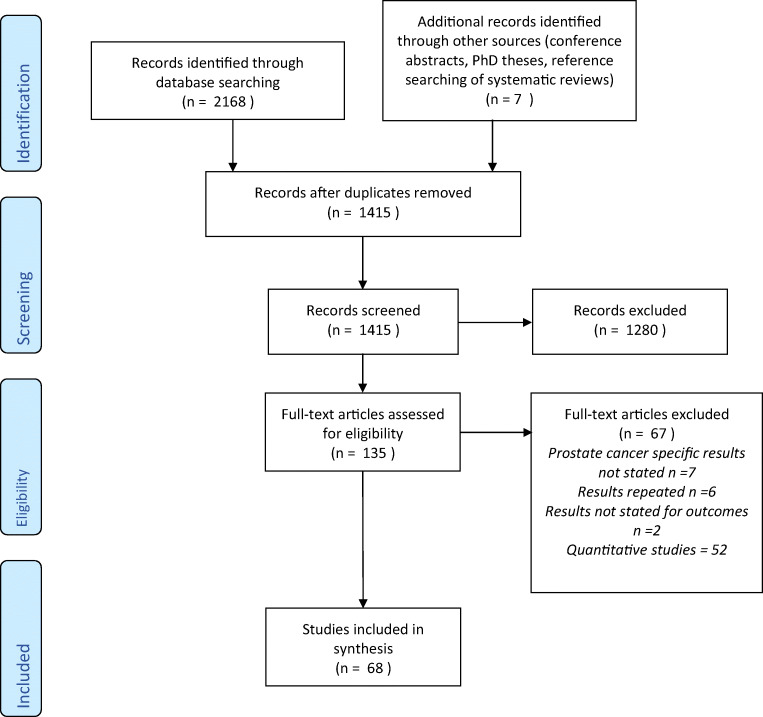
Methods: A systematic review utilising PubMed, Embase, MEDLINE, and PsycINFO databases up to May 2020 was conducted in line with PRISMA and ENTREQ guidelines. All qualitative studies of men's experiences with body image, self-esteem, and masculinity whilst living with prostate cancer were included. A thematic meta-synthesis was conducted to identify emergent descriptive and analytical themes under the main study constructs.
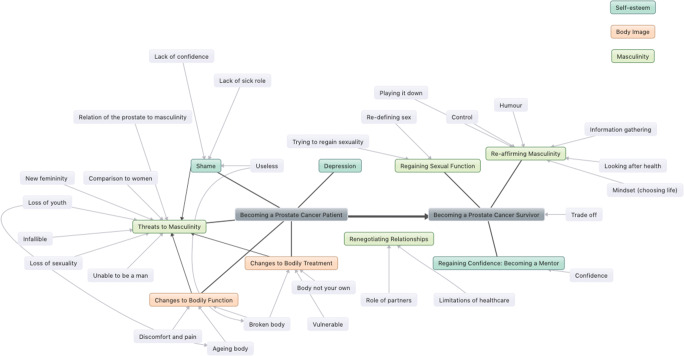
Results: Of 2188 articles identified, 68 were included. Eight descriptive themes were identified under two analytical themes: 'Becoming a Prostate Cancer Patient' and 'Becoming a Prostate Cancer Survivor'. These described the distress caused by changes to body image, sexual functioning, sense of masculinity, and self-esteem, and the subsequent discourses men engaged with to cope with and manage their disease. A key element was increased flexibility in masculinity definitions, and finding other ways to re-affirm masculinity.
Conclusions: Prostate cancer has an important effect on men's health post-diagnosis, and we identified strong relationships between each construct evaluated. The role of hegemonic masculinity is important when considering men's coping mechanisms and is also a key factor when addressing these constructs in counselling post-treatment.
Implications for cancer survivors: This meta-synthesis provides key topics that uniquely affect prostate cancer survivors, enabling these patients to be effectively counselled, and have their concerns recognised by clinicians.
Keywords: Body image; Cancer; Masculinity; Mental health; Oncology; Prostate cancer.
© 2021. The Author(s).
Conflict of interest statement
The authors declare no conflict of interest.
Figures
References
Publication types
MeSH terms
Grants and funding
LinkOut - more resources
Full Text Sources
Other Literature Sources
Medical
