Exosomal therapy-a new frontier in regenerative medicine
- PMID: 33969112
- PMCID: PMC8100822
- DOI: 10.21037/sci-2020-037
Exosomal therapy-a new frontier in regenerative medicine
Abstract
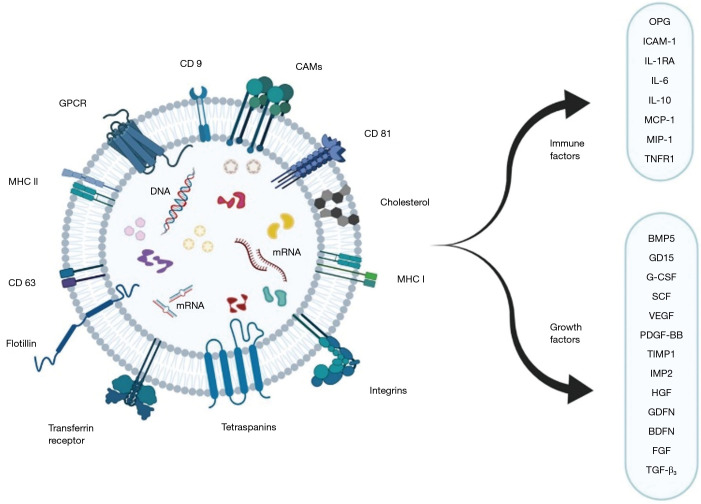
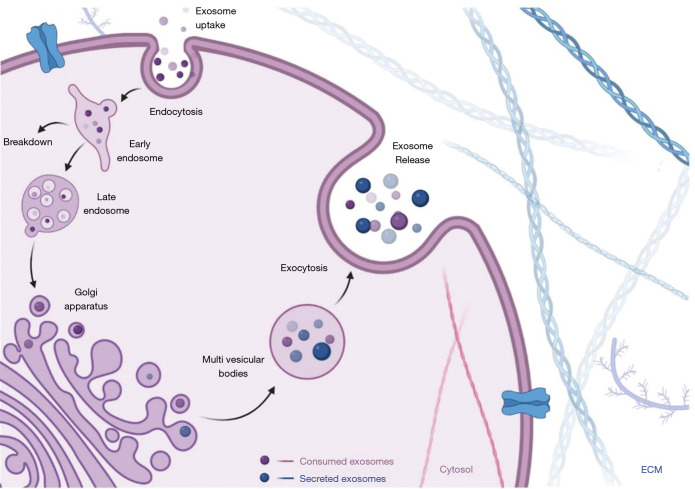
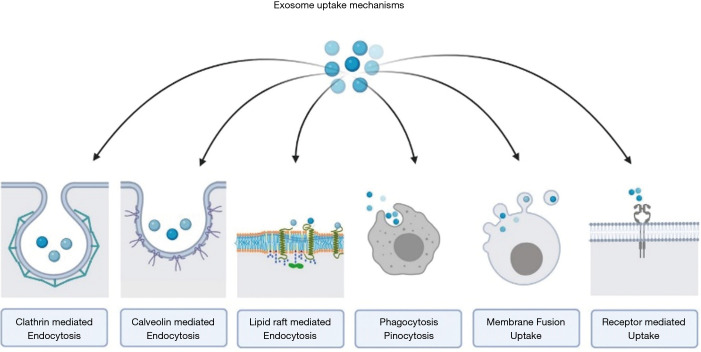
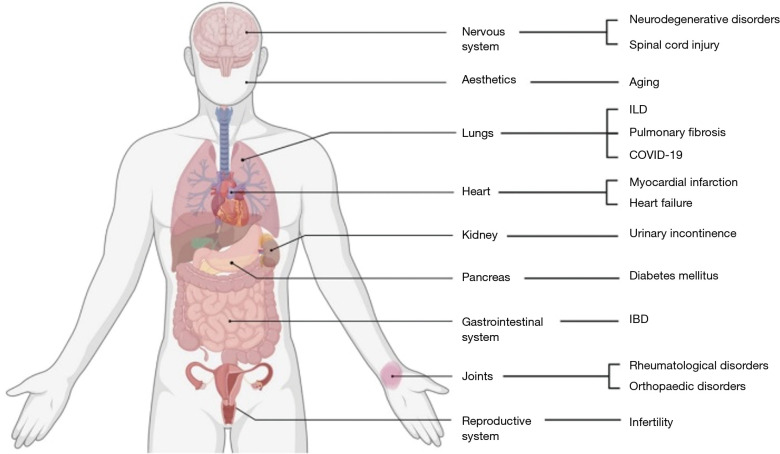
The recent advances in translational and nanomedicine have paved the way for developing the targeted drug delivery system at a greater pace among global researchers. On par with these technologies, exosomes act as a potential portal for cell-free drug delivery systems as these are bestowed with the native characteristics of the parent cell of origin. Exosomes, called extracellular vesicles (EcVs), are present in almost all cells, tissues, and body fluids. They help in intercellular signaling and maintains tissue homeostasis in the disease pathobiology. Researchers have characterized 9,769 proteins, 2,838 miRNAs, 3,408 mRNAs, and 1,116 lipids being present in exosomal cargo. The separation of exosomes from cells, tissues, and body fluids follow different patterned kinetics. Exosomes interact with the recipient cells through their surface receptor molecules and ligands and internalize within recipient cells through micropinocytosis and phagocytosis. Advancing technologies in regenerative medicine have facilitated the researchers to isolate exosomes from mesenchymal stem cells (MSCs) as these cells are blessed with supreme regenerative potentiality in targeting a disease. Exosomal cargo is a key player in establishing the diagnosis and executing therapeutic role whilst regulating a disease process. Various in vitro studies have exhibited the safety, efficacy, and therapeutic potentiality of exosomes in various cancers, neurodegenerative, cardiovascular, and orthopedic diseases. This article throws light on the composition, therapeutic role, and regulatory potentials of exosomes with the widening of the horizon in the field of regenerative medicine.
Keywords: Exosomes; biological medicine; cellular therapy; extracellular vesicles (EcVs).
2021 Stem Cell Investigation. All rights reserved.
Conflict of interest statement
Conflicts of Interest: All authors have completed the ICMJE uniform disclosure form (available at http://dx.doi.org/10.21037/sci-2020-037). The authors have no conflicts of interest to declare.
Figures
References
-
- Zhang XY, Zhang PY. Polymersomes in Nanomedicine - A Review. Current Nanoscience 2016. doi:. 10.2174/1573413712666161018144519 - DOI
Publication types
LinkOut - more resources
Full Text Sources
Other Literature Sources