


The microbiota of healthy dogs demonstrates individualized responses to synbiotic supplementation in a randomized controlled trial
- PMID: 33971985
- PMCID: PMC8111948
- DOI: 10.1186/s42523-021-00098-0
The microbiota of healthy dogs demonstrates individualized responses to synbiotic supplementation in a randomized controlled trial
Abstract
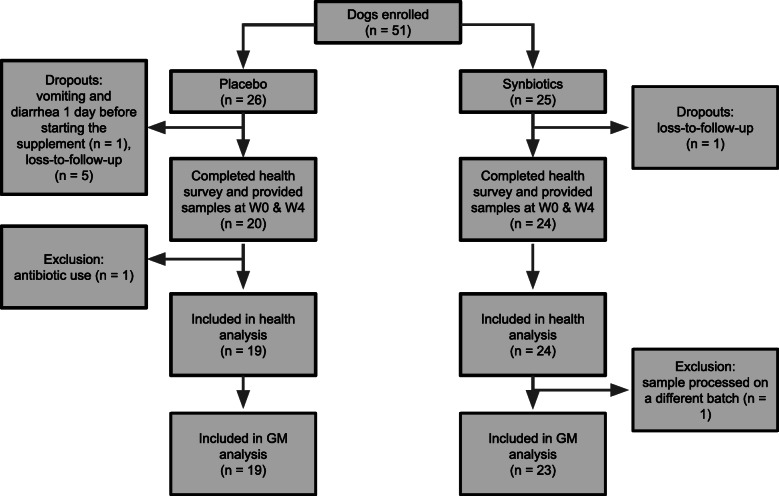
Background: Probiotics have been demonstrated to ameliorate clinical signs of gastrointestinal diseases in dogs in various studies. However, the effect of probiotics in a healthy population, as well as factors contributing individualized responses, remain largely unknown. This trial examined gut microbiota (GM) and health outcomes in household dogs after synbiotic (SN) supplementation containing probiotics and inulin (a prebiotic). Healthy dogs were randomized to receive SN (50 mg/d inulin and 20 billion total CFU/d of L. reuteri, P. acidilactici, E. faecium, L. acidophilus, B. animalis, L. fermentum, L. rhamnosus) or placebo (PL) for 4 weeks. Owners completed a health survey and collected stool samples for GM profiling (shotgun metagenomic sequencing) at baseline and week 4 in both groups, and at week 6 in the SN group.
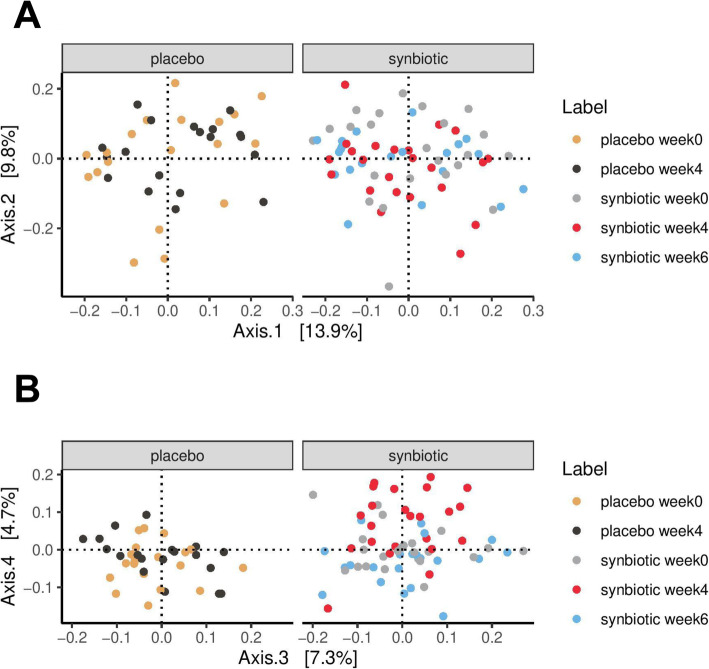
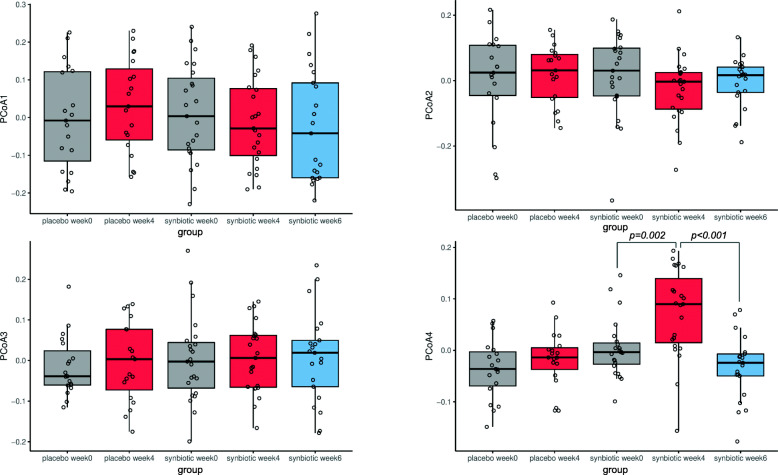
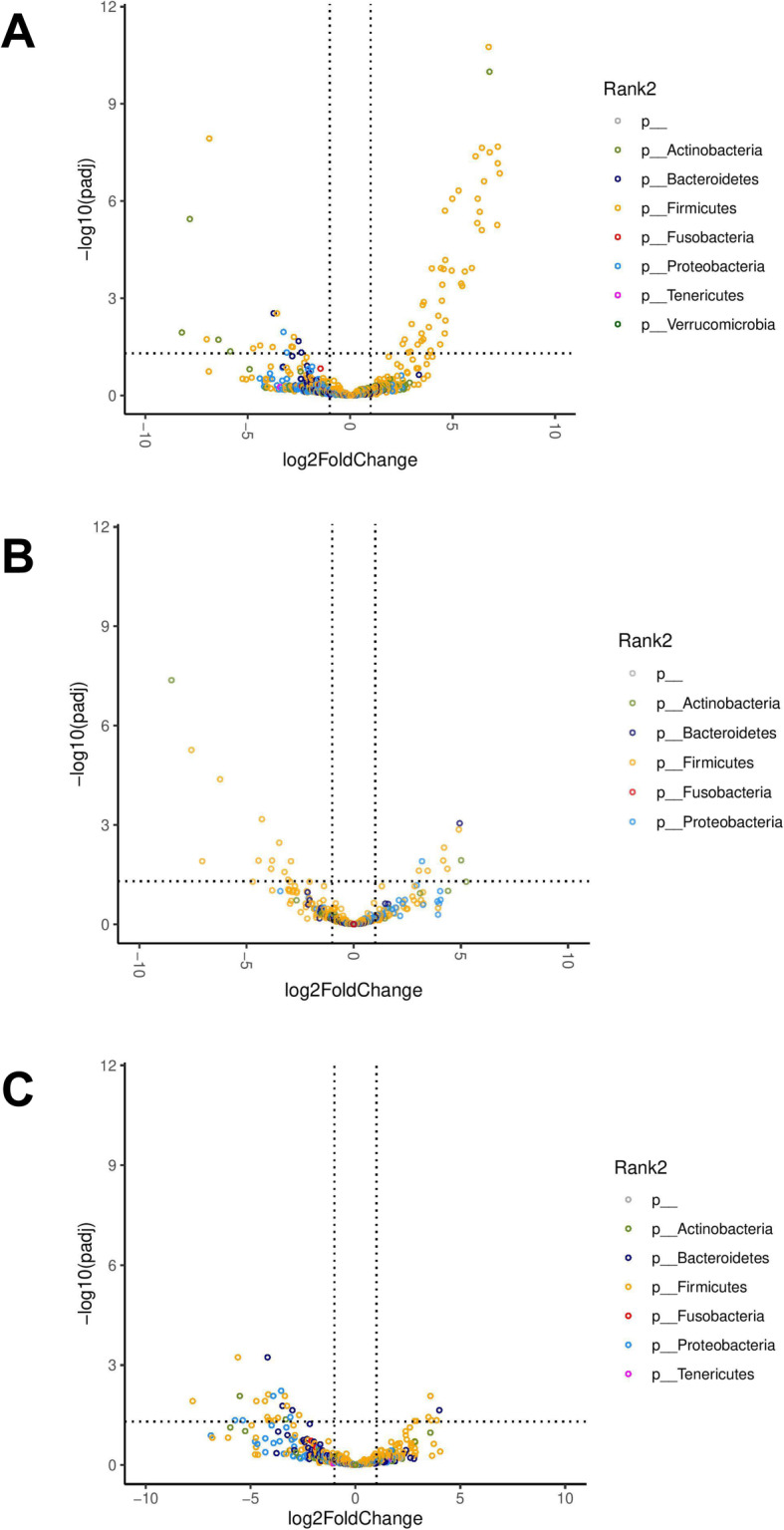
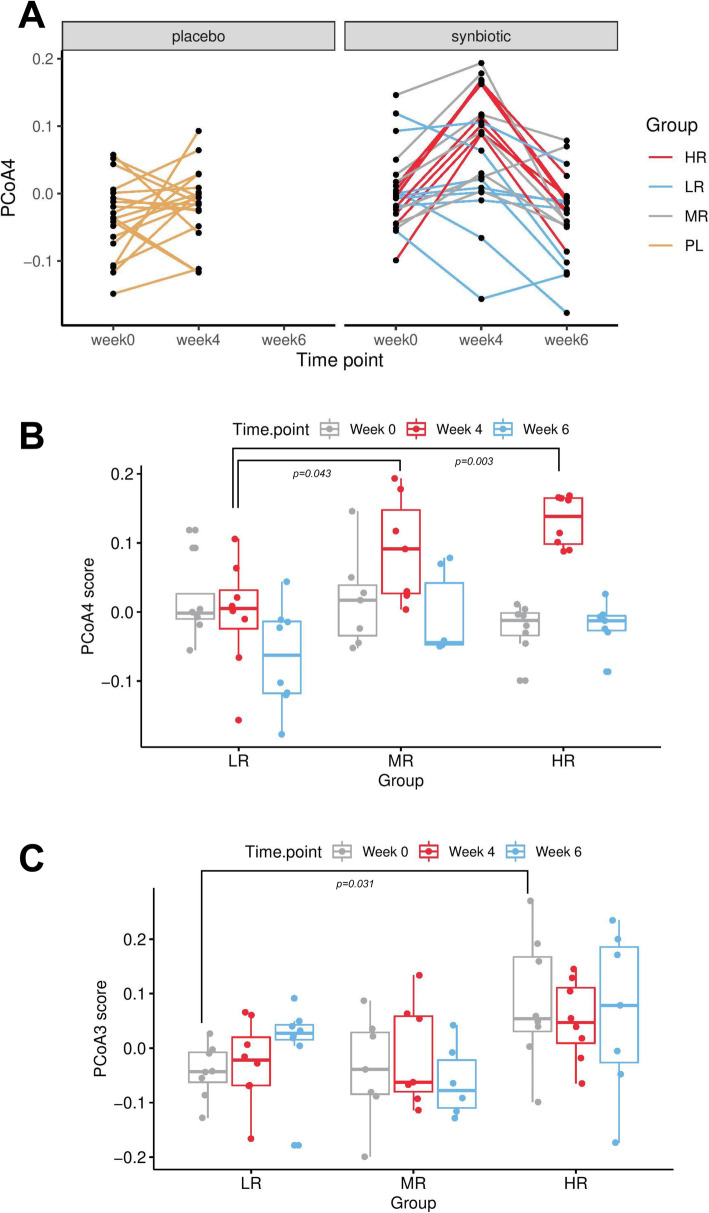
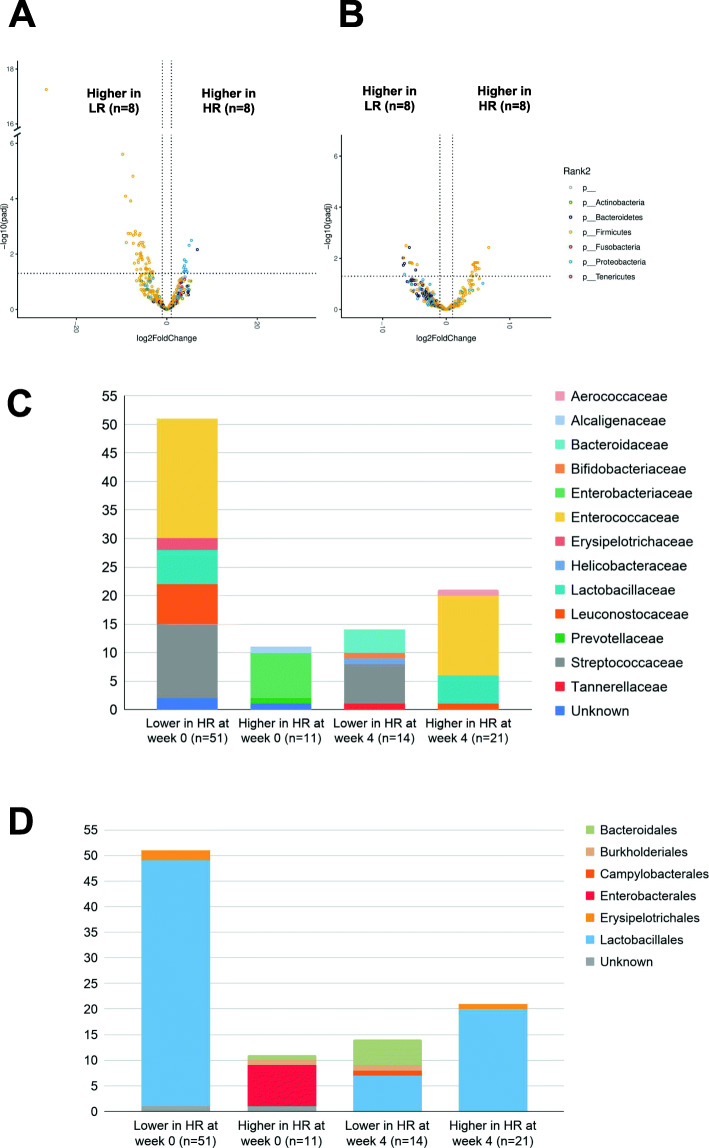
Results: A significant shift (p < 0.001) in β-diversity was observed in the SN (n = 24), but not PL group (n = 19), at week 4 relative to baseline. Forty-five bacterial species, 43 (96%) of which were Lactobacillales, showed an increase in the relative abundances (≥2 fold change, adjusted p < 0.05) in the SN group at week 4. E. coli also decreased at week 4 in the SN group (2.8-fold, adjusted p < 0.01). The altered taxa largely returned to baseline at week 6. The degree of changes in β-diversity was associated with GM at baseline. Specifically, dogs with higher Proteobacteria and lower Lactobacillales responded more robustly to supplementation in terms of the change in β-diversity. Dogs fed SN tended to have lower diarrhea incidence (0% vs 16%, p = 0.08).
Conclusions: SN supplement had a short-term impact on the gut microbiota in healthy household dogs as characterized by shotgun metagenomic sequencing. Findings warrant further investigation with longer duration and populations at risk of gastrointestinal diseases. The magnitude of response to the supplement was associated with microbial profile at baseline. To our knowledge, this is the first study documenting such association and may provide a basis for personalized nutrition in companion dogs.
Keywords: Diarrhea; Dogs; Gastrointestinal health; Inulin; Microbiome; Probiotics; Synbiotics.
Conflict of interest statement
JT, JS, RBJ, LMP, RWH are employees of and/or hold stocks or stock options in NomNomNow Inc. ARJ and HM are contracted by NomNomNow Inc. as consultants.
Figures
References
-
- Swanson KS, Dowd SE, Suchodolski JS, Middelbos IS, Vester BM, Barry KA, Nelson KE, Torralba M, Henrissat B, Coutinho PM, Cann IKO, White BA, Fahey GC., Jr Phylogenetic and gene-centric metagenomics of the canine intestinal microbiome reveals similarities with humans and mice. ISME J. 2011;5(4):639–649. doi: 10.1038/ismej.2010.162. - DOI - PMC - PubMed
-
- Coelho LP, Kultima JR, Costea PI, Fournier C, Pan Y, Czarnecki-Maulden G, Hayward MR, Forslund SK, Schmidt TSB, Descombes P, Jackson JR, Li Q, Bork P. Similarity of the dog and human gut microbiomes in gene content and response to diet. Microbiome. 2018;6(1):72. doi: 10.1186/s40168-018-0450-3. - DOI - PMC - PubMed
LinkOut - more resources
Full Text Sources
Other Literature Sources