Hydroxyurea-induced membrane fluidity decreasing as a characterization of neuronal membrane aging in Alzheimer's disease
- PMID: 33972461
- PMCID: PMC8148445
- DOI: 10.18632/aging.202949
Hydroxyurea-induced membrane fluidity decreasing as a characterization of neuronal membrane aging in Alzheimer's disease
Abstract
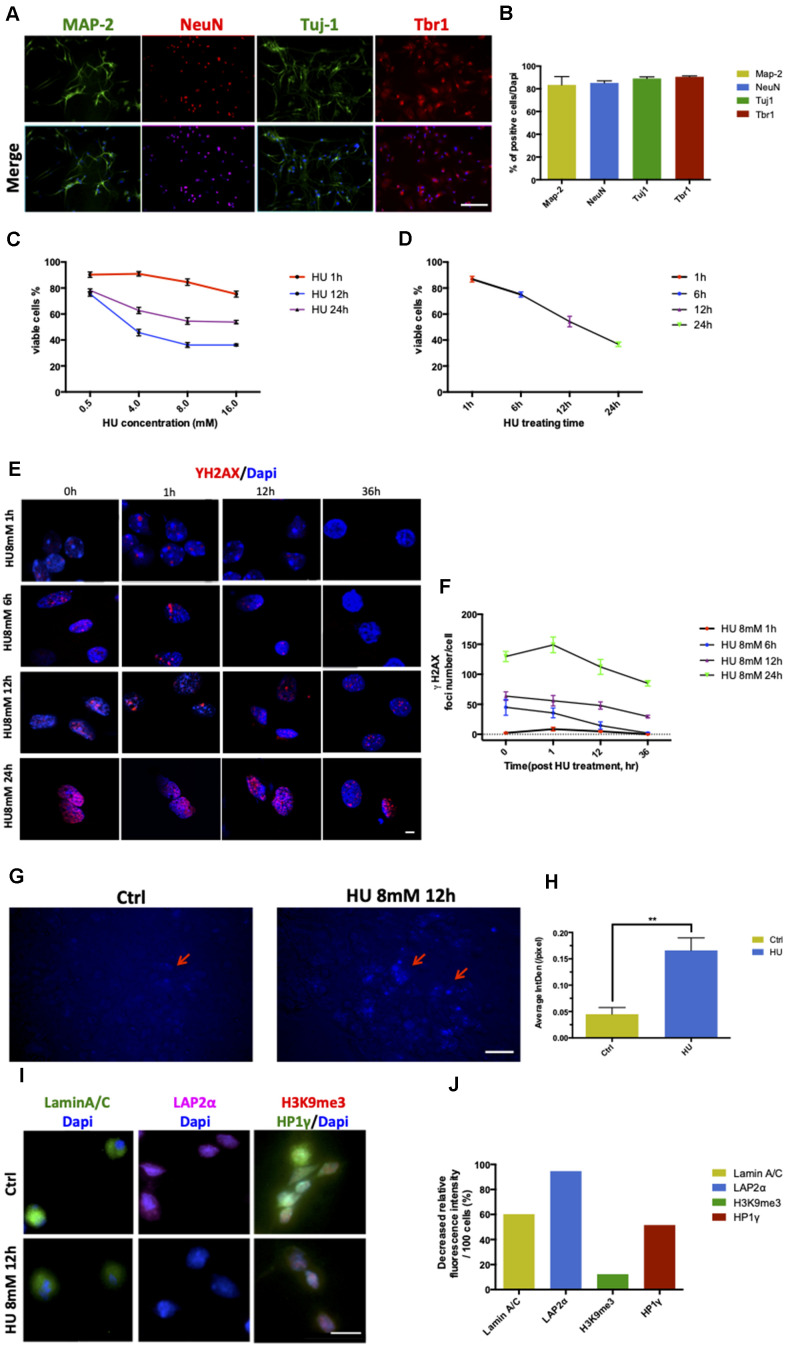
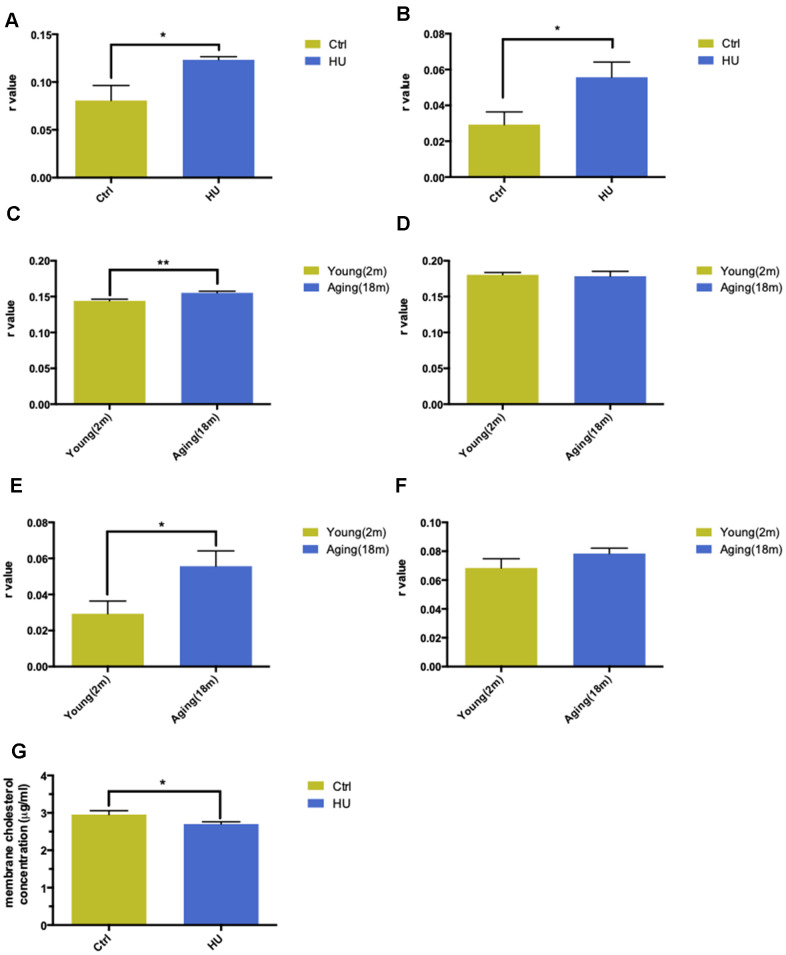
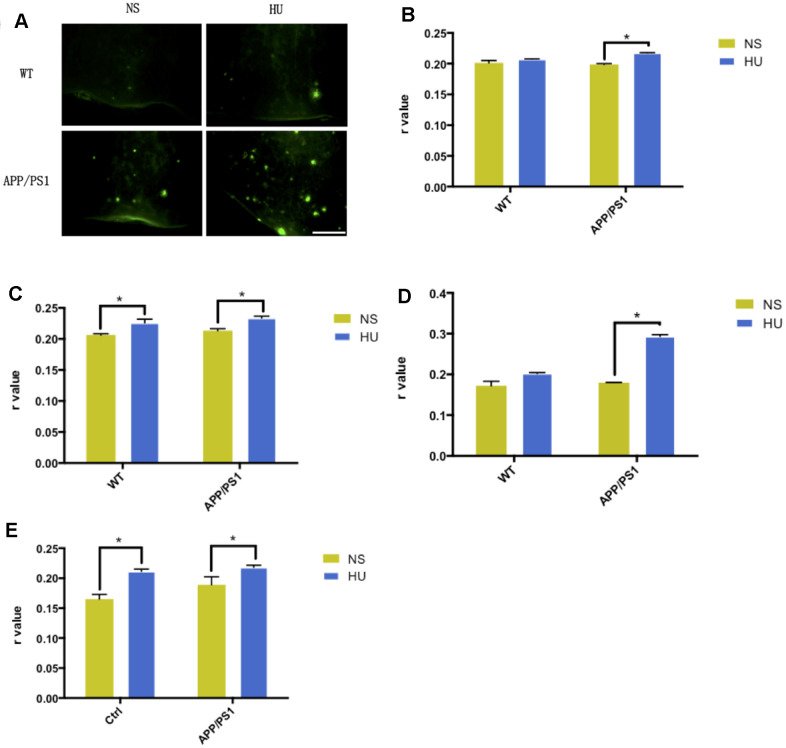
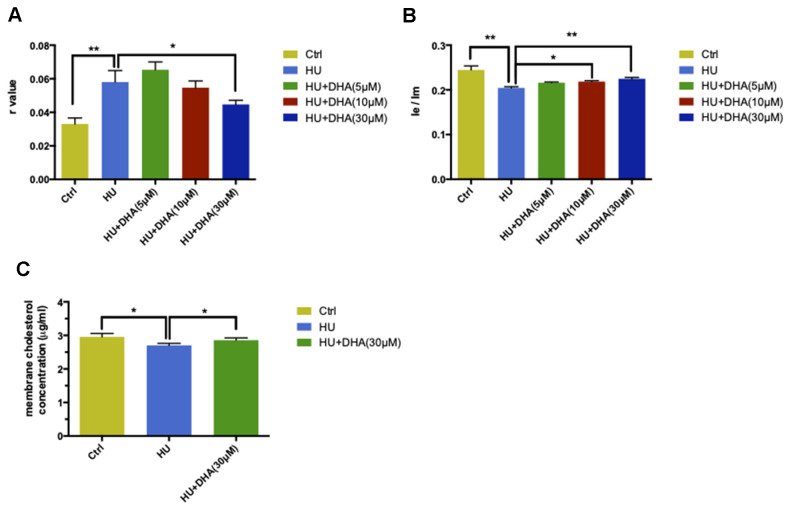
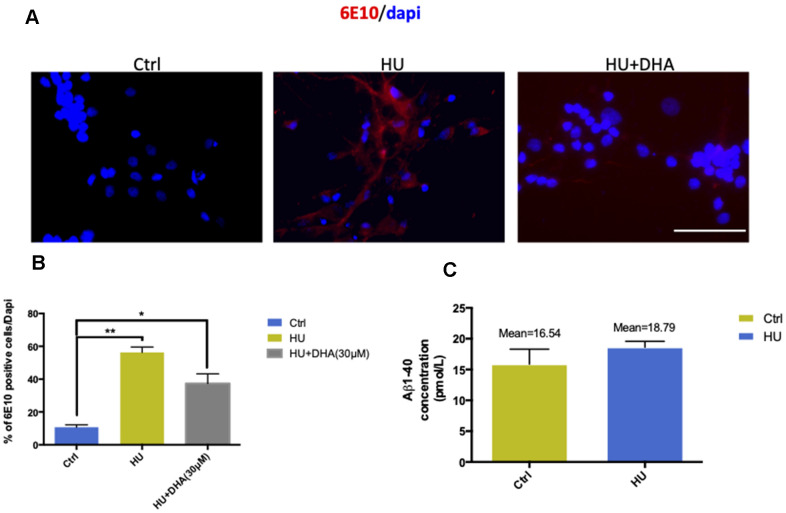
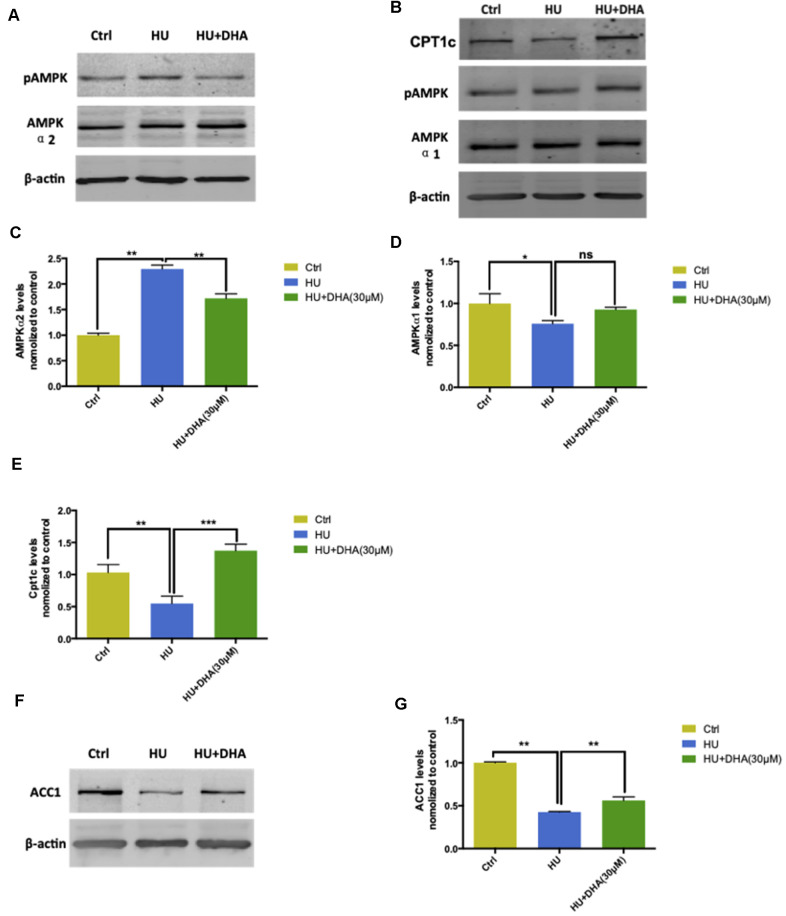
Aging is one of the significant risk factors for Alzheimer's disease (AD). Therefore, this study aimed to propose a new hypothesis "membrane aging" as a critical pathogenesis of AD. The concept of "membrane aging" was reviewed, and the possible mechanisms of membrane aging as the primary culprit of AD were clarified. To further prove this hypothesis, a hydroxyurea-induced "membrane aging" model was established in vitro and in vivo. First, neuronal aging was validated by immunocytochemistry with age-related markers, and membrane aging phenotypes were confirmed. The alterations of membrane fluidity within APP/PS1 mice were re-proved by intracerebroventricular injection of hydroxyurea. Decreased membrane fluidity was found in vitro and in vivo, accompanied by increased total cholesterol concentration in neurons but decreased cholesterol levels within membrane fractions. The Aβ level increased considerably after hydroxyurea treatment both in vitro and in vivo. DHA co-treatment ameliorated membrane aging phenotypes and Aβ aggregation. The study revealed the AMP-activated protein kinase/acetyl CoA carboxylase/carnitine palmitoyl transferase 1 pathway involved in membrane aging processes. These results strongly supported the idea that membrane aging was a pathogenesis of AD and might serve as a new therapeutic target for AD.
Keywords: Alzheimer's disease; DHA; hydroxyurea; membrane aging; β-amyloid.
Conflict of interest statement
Figures
References
-
- Chan KY, Wang W, Wu JJ, Liu L, Theodoratou E, Car J, Middleton L, Russ TC, Deary IJ, Campbell H, Wang W, Rudan I, and Global Health Epidemiology Reference Group (GHERG). Epidemiology of Alzheimer’s disease and other forms of dementia in China, 1990-2010: a systematic review and analysis. Lancet. 2013; 381:2016–23. 10.1016/S0140-6736(13)60221-4 - DOI - PubMed
Publication types
MeSH terms
Substances
LinkOut - more resources
Full Text Sources
Other Literature Sources
Medical