


Augmenting Transfer Learning with Feature Extraction Techniques for Limited Breast Imaging Datasets
- PMID: 33973065
- PMCID: PMC8329112
- DOI: 10.1007/s10278-021-00456-z
Augmenting Transfer Learning with Feature Extraction Techniques for Limited Breast Imaging Datasets
Abstract
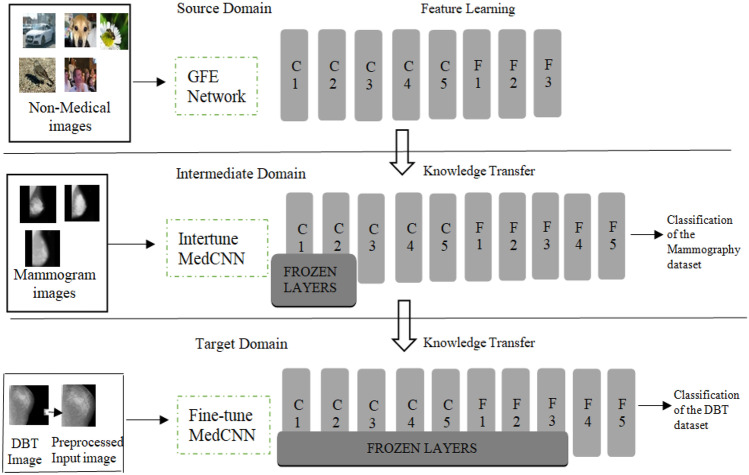
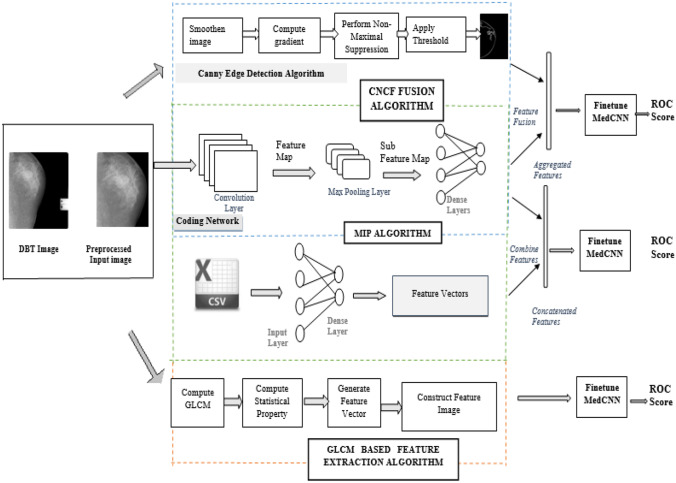
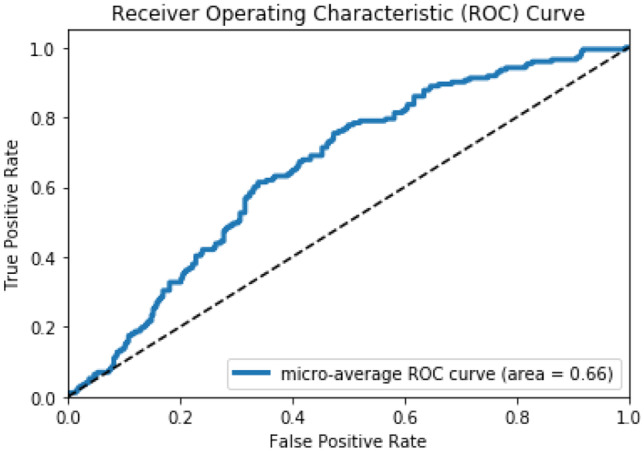
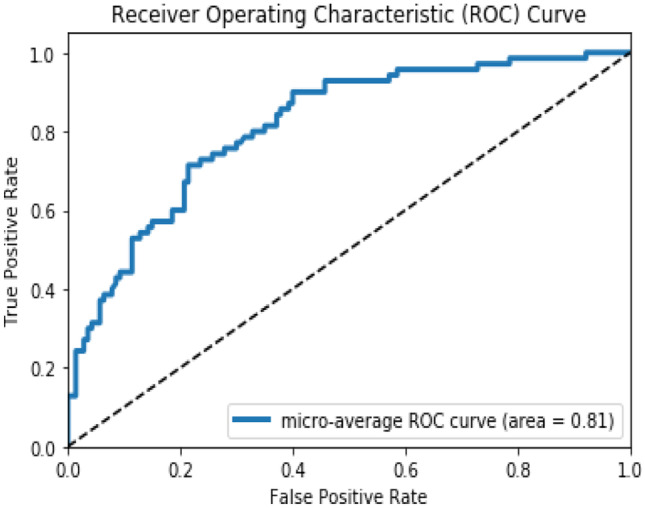
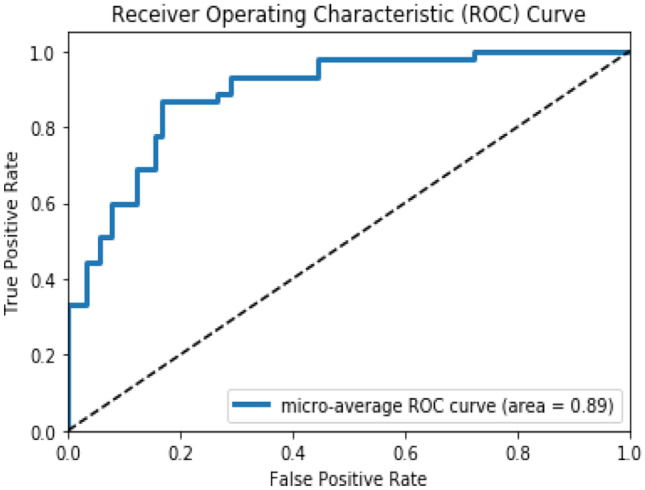
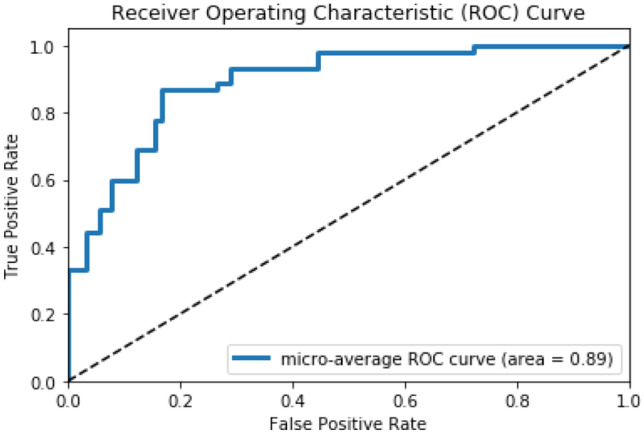
Computer aided detection (CADe) and computer aided diagnostic (CADx) systems are ongoing research areas for identifying lesions among complex inner structures with different pixel intensities, and for medical image classification. There are several techniques available for breast cancer detection and diagnosis using CADe and CADx systems. However, some of these systems are not accurate enough or suffer from lack of sufficient data. For example, mammography is the most commonly used breast cancer detection technique, and there are several CADe and CADx systems based on mammography, because of the huge dataset that is publicly available. But, the number of cancers escaping detection with mammography is substantial, particularly in dense-breasted women. On the other hand, digital breast tomosynthesis (DBT) is a new imaging technique, which alleviates the limitations of the mammography technique. However, the collections of huge amounts of the DBT images are difficult as it is not publicly available. In such cases, the concept of transfer learning can be employed. The knowledge learned from a trained source domain task, whose dataset is readily available, is transferred to improve the learning in the target domain task, whose dataset may be scarce. In this paper, a two-level framework is developed for the classification of the DBT datasets. A basic multilevel transfer learning (MLTL) based framework is proposed to use the knowledge learned from general non-medical image datasets and the mammography dataset, to train and classify the target DBT dataset. A feature extraction based transfer learning (FETL) framework is proposed to further improve the classification performance of the MLTL based framework. The FETL framework looks at three different feature extraction techniques to augment the MLTL based framework performance. The area under receiver operating characteristic (ROC) curve of value 0.89 is obtained, with just 2.08% of the source domain (non-medical) dataset, 5.09% of the intermediate domain (mammography) dataset, and 3.94% of the target domain (DBT) dataset, when compared to the dataset reported in literature.
Keywords: Deep learning; Digital breast tomosynthesis; Feature fusion; GLCM; Transfer learning.
© 2021. Society for Imaging Informatics in Medicine.
Conflict of interest statement
The authors declare that they have no conflict of interest.
Figures
References
-
- Nasrindokht Azamjah, Yasaman Soltan-Zadeh, Farid Zayeri.: Global trend of breast cancer mortality rate: A 25-year study. Asian Pacific Journal of Cancer Prevention, 20(7): 2015–2020, 2019. 10.31557/APJCP.2019.20.7.2015, https://www.ncbi.nlm.nih.gov/pmc/articles/PMC6745227/ - PMC - PubMed
-
- Dr. Kamal Kant Koli: Fast MRI bests 3D mammograms for screening cancer in women with dense breasts. Medical Dialogues, 2020. https://medicaldialogues.in/radiology/news/fast-mri-bests-3d-mammograms-...
-
- Limitations of Mammograms. American Cancer Society. https://www.cancer.org/cancer/breast-cancer/screening-tests-and-early-de...
-
- Ravi K. Samala, Heang-Ping Chan, Lubomir Hadjiiski, Mark A. Helvie, Caleb D. Richter, Kenny H. Cha.: Breast cancer diagnosis in digital breast tomosynthesis-effects of training sample size on multi-stage transfer learning using deep neural nets. IEEE Transactions on Medical Imaging, vol. 38, no. 3: 686–696, 2019 - PMC - PubMed
-
- Ben Tan, Yangqiu Song, Erheng Zhong, Qiang Yang.: Transitive transfer learning. International Conference on Knowledge Discovery and Data Mining, ACM SIGKDD, ISBN: 978–1–4503–3664:1155–1164, Aug 2015
Publication types
MeSH terms
LinkOut - more resources
Full Text Sources
Other Literature Sources
Medical
