


COVID-19 vaccine rumors and conspiracy theories: The need for cognitive inoculation against misinformation to improve vaccine adherence
- PMID: 33979412
- PMCID: PMC8115834
- DOI: 10.1371/journal.pone.0251605
COVID-19 vaccine rumors and conspiracy theories: The need for cognitive inoculation against misinformation to improve vaccine adherence
Abstract
Introduction: Rumors and conspiracy theories, can contribute to vaccine hesitancy. Monitoring online data related to COVID-19 vaccine candidates can track vaccine misinformation in real-time and assist in negating its impact. This study aimed to examine COVID-19 vaccine rumors and conspiracy theories circulating on online platforms, understand their context, and then review interventions to manage this misinformation and increase vaccine acceptance.
Method: In June 2020, a multi-disciplinary team was formed to review and collect online rumors and conspiracy theories between 31 December 2019-30 November 2020. Sources included Google, Google Fact Check, Facebook, YouTube, Twitter, fact-checking agency websites, and television and newspaper websites. Quantitative data were extracted, entered in an Excel spreadsheet, and analyzed descriptively using the statistical package R version 4.0.3. We conducted a content analysis of the qualitative information from news articles, online reports and blogs and compared with findings from quantitative data. Based on the fact-checking agency ratings, information was categorized as true, false, misleading, or exaggerated.
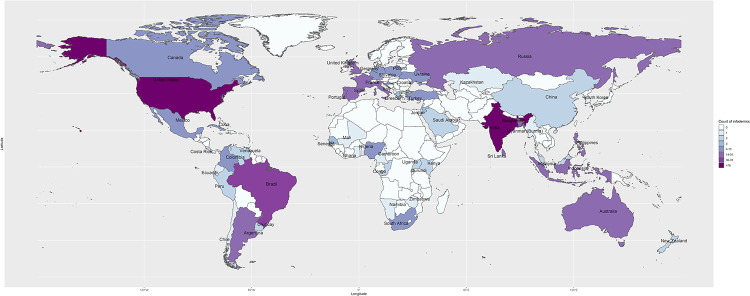
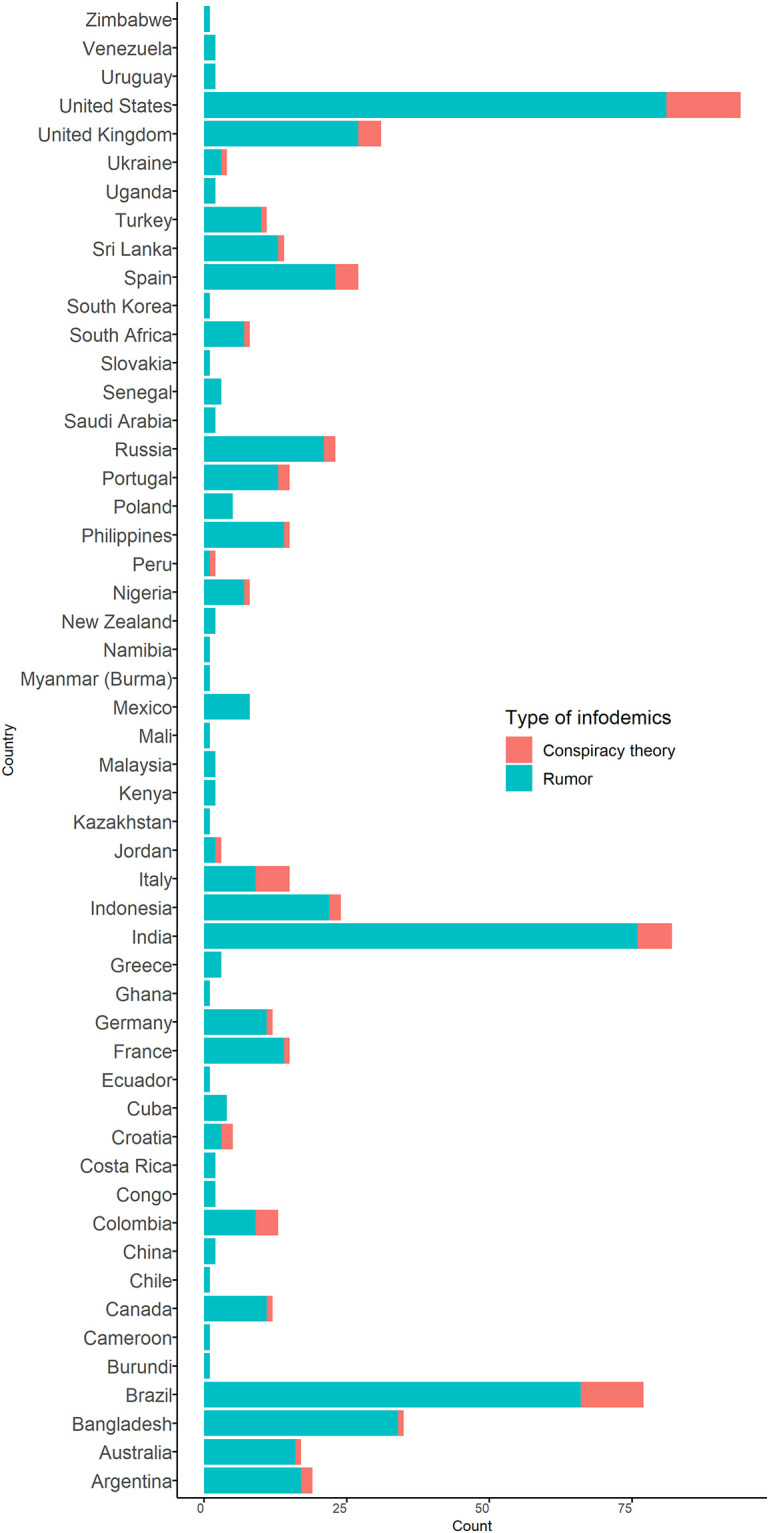
Results: We identified 637 COVID-19 vaccine-related items: 91% were rumors and 9% were conspiracy theories from 52 countries. Of the 578 rumors, 36% were related to vaccine development, availability, and access, 20% related to morbidity and mortality, 8% to safety, efficacy, and acceptance, and the rest were other categories. Of the 637 items, 5% (30/) were true, 83% (528/637) were false, 10% (66/637) were misleading, and 2% (13/637) were exaggerated.
Conclusions: Rumors and conspiracy theories may lead to mistrust contributing to vaccine hesitancy. Tracking COVID-19 vaccine misinformation in real-time and engaging with social media to disseminate correct information could help safeguard the public against misinformation.
Conflict of interest statement
Associate Professor Holly Seale has previously received funding from drug companies for investigator-driven research and consulting fees to present at conferences/workshops and develop resources (Seqirus, GSK and Sanofi Pasteur). She has also participated in an advisory board meeting for Sanofi Pasteur. This work has been a voluntary contribution from all authors. The commercial affiliation of the authors did not play a role in our study, and this does not alter our adherence to PLOS ONE policies of sharing data and materials.
Figures
References
-
- World Health Organization. Immunizing the public against misinformation. Geneva: World Health Organization, 2020 25 August. Report No.
MeSH terms
Substances
LinkOut - more resources
Full Text Sources
Other Literature Sources
Medical
