


Aquatic toxicity of particulate matter emitted by five electroplating processes in two marine microalgae species
- PMID: 33981588
- PMCID: PMC8085665
- DOI: 10.1016/j.toxrep.2021.04.004
Aquatic toxicity of particulate matter emitted by five electroplating processes in two marine microalgae species
Erratum in
-
Erratum regarding Handling Editor names in previously published articles.Toxicol Rep. 2021 Oct 14;8:1982. doi: 10.1016/j.toxrep.2021.10.004. eCollection 2021. Toxicol Rep. 2021. PMID: 34956840 Free PMC article.
Abstract
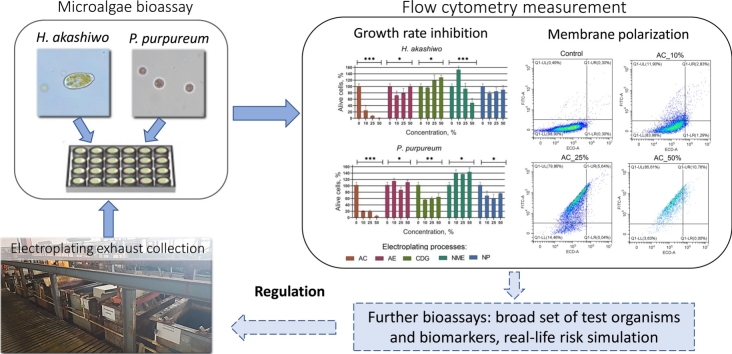
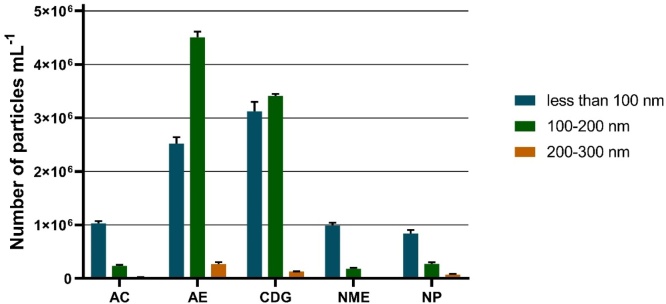
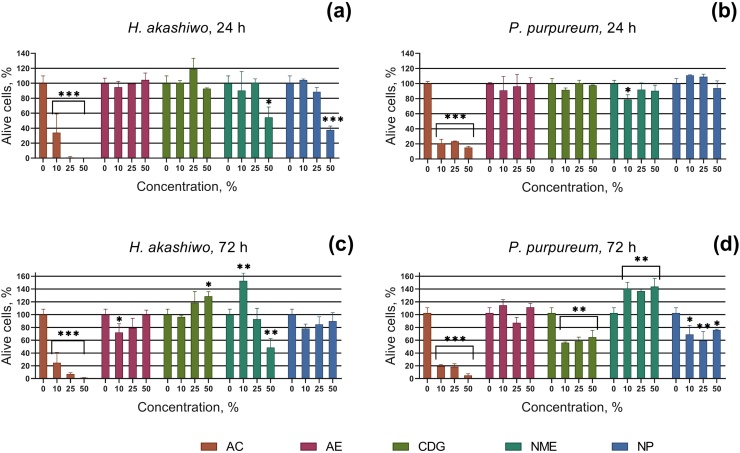
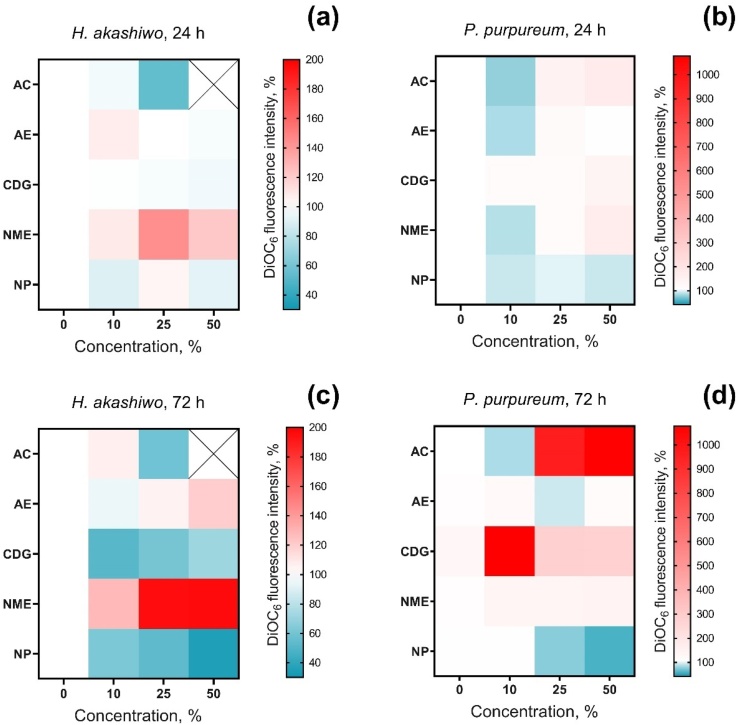
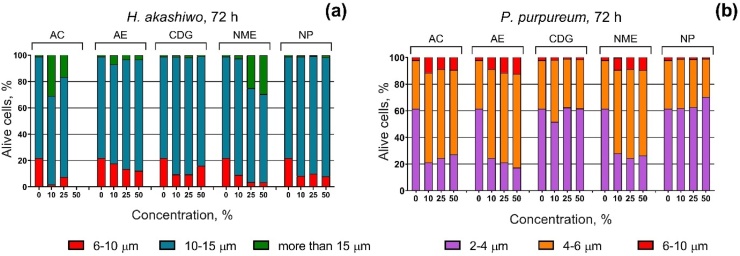
Electroplating is a widely used group of industrial processes that make a metal coating on a solid substrate. Our previous research studied the concentrations, characteristics, and chemical composition of nano- and microparticles emitted during different electroplating processes. The objective of this study was to evaluate the environmental toxicity of particulate matter obtained from five different electrochemical processes. We collected airborne particle samples formed during aluminum cleaning, aluminum etching, chemical degreasing, nonferrous metals etching, and nickel plating. The toxicity of the particles was evaluated by the standard microalgae growth rate inhibition test. Additionally, we evaluated membrane potential and cell size changes in the microalgae H. akashiwo and P. purpureum exposed to the obtained suspensions of electroplating particles. The findings of this research demonstrate that the aquatic toxicity of electroplating emissions significantly varies between different industrial processes and mostly depends on particle chemical composition and solubility rather than the number of insoluble particles. The sample from an aluminum cleaning workshop was significantly more toxic for both microalgae species compared to the other samples and demonstrated dose and time-dependent toxicity. The samples obtained during chemical degreasing and nonferrous metals etching processes induced depolarization of microalgal cell membranes, demonstrated the potential of chronic toxicity, and stimulated the growth rate of microalgae after 72 h of exposure. Moreover, the sample from a nonferrous metals etching workshop revealed hormetic dose-response toxicity in H. akashiwo, which can lead to harmful algal blooms in the environment.
Keywords: Bioassay; Fume; Galvanic; Metals; Microalgae; Particulate matter.
© 2021 The Authors.
Conflict of interest statement
The authors declare no conflict of interest.
Figures
References
-
- Deepak J., Raja V.B., Kaliaraj G.S. Mechanical and corrosion behavior of Cu, Cr, Ni and Zn electroplating on corten A588 steel for scope for betterment in ambient construction applications. Results Phys. 2019;14
-
- Giurlani W., Zangari G., Gambinossi F., Passaponti M., Salvietti E., Di Benedetto F. Electroplating for decorative applications: recent trends in research and development. Coatings. 2018;8:260.
-
- Launay H., Receveur-Bréchot V., Carrière F., Gontero B. Orchestration of algal metabolism by protein disorder. Arch. Biochem. Biophys. 2019;672 - PubMed
-
- Li H., Wu H., Qg Wang, Yang M., Li F., Sun Y. Chemical partitioning of fine particle-bound metals on haze–fog and non-haze–fog days in Nanjing, China and its contribution to human health risks. Atmos. Res. 2017;183:142–150.
-
- Onishi K., Otani S., Yoshida A., Mu H., Kurozawa Y. Adverse health effects of Asian dust particles and heavy metals in Japan. Asia Pacific J. Public Health. 2015;27:NP1719–NP1726. - PubMed
LinkOut - more resources
Full Text Sources
Other Literature Sources
