


Regulation of macrophage functions by FABP-mediated inflammatory and metabolic pathways
- PMID: 33984518
- PMCID: PMC8169605
- DOI: 10.1016/j.bbalip.2021.158964
Regulation of macrophage functions by FABP-mediated inflammatory and metabolic pathways
Abstract
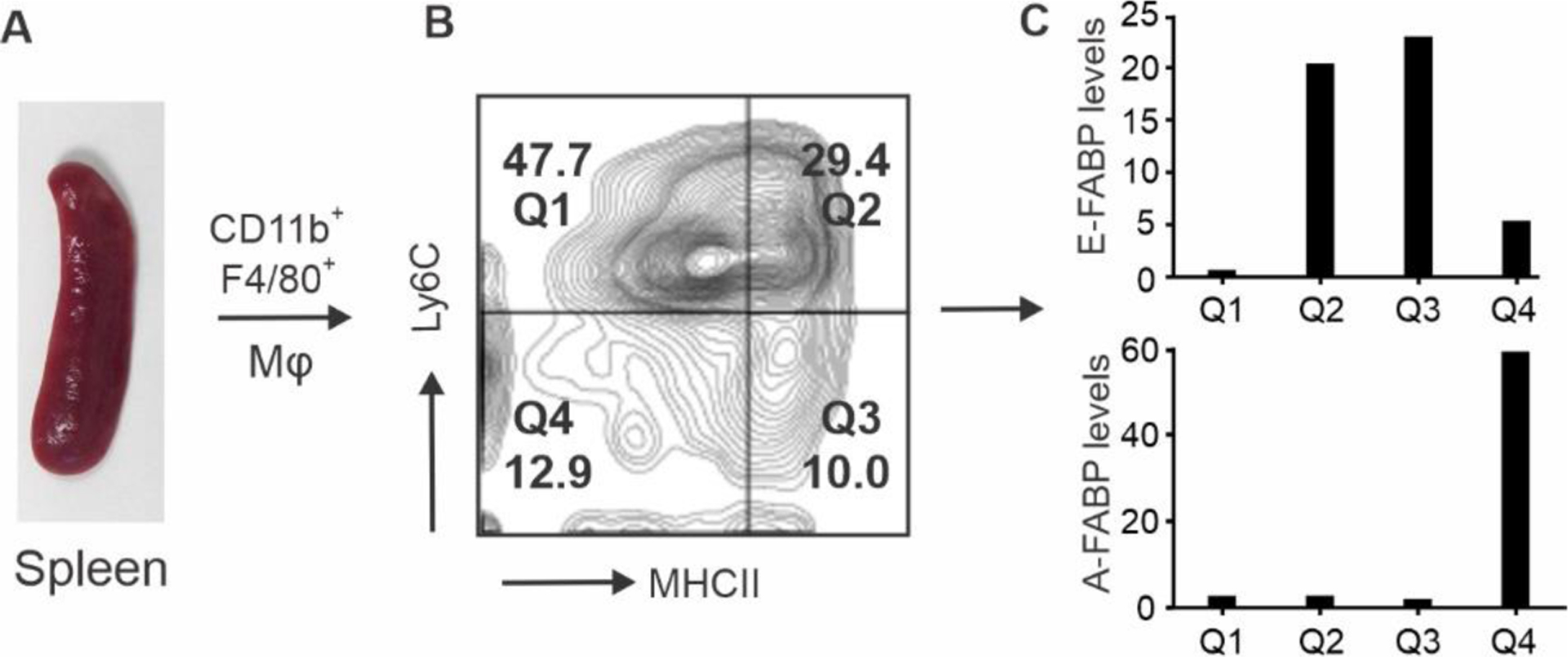
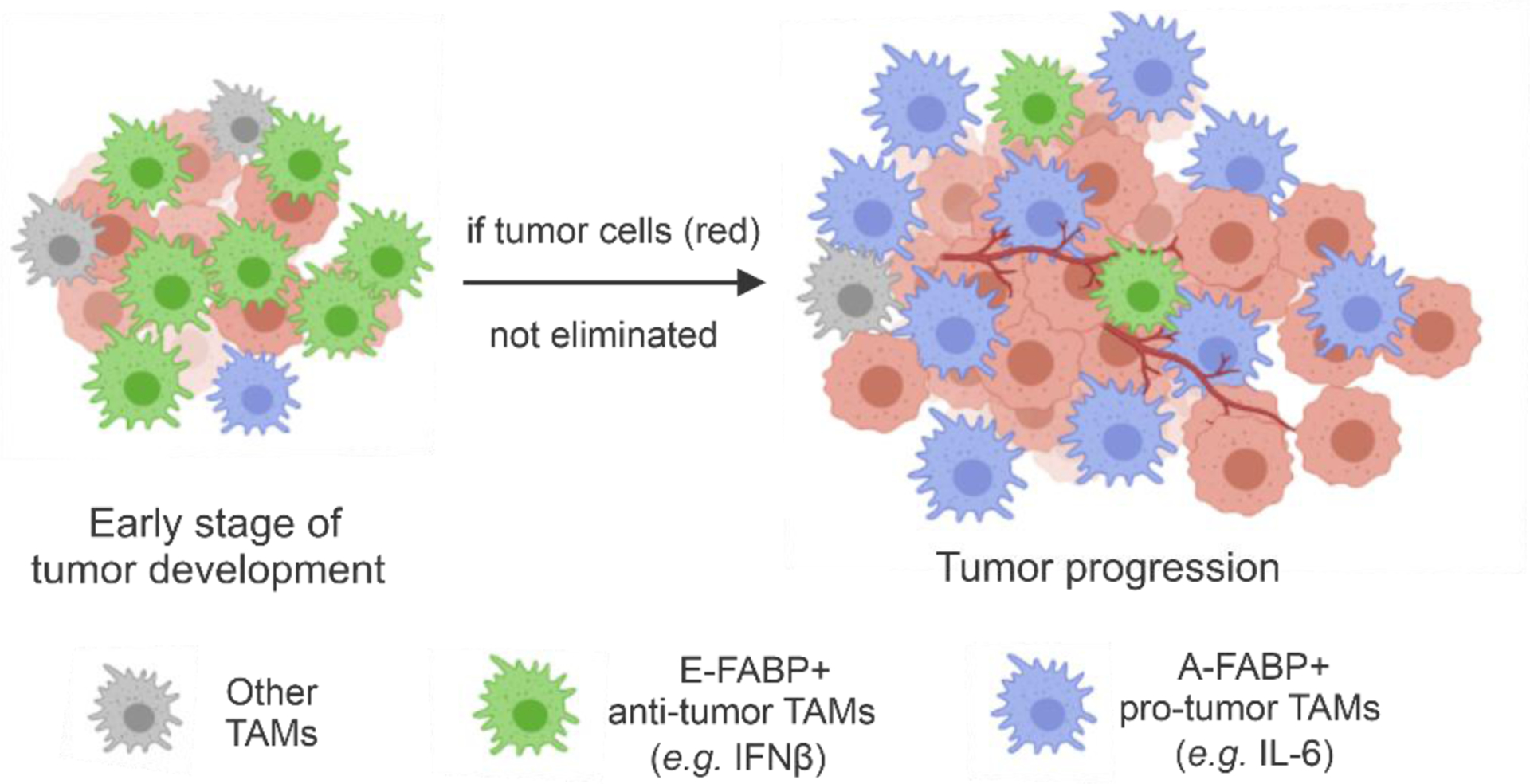
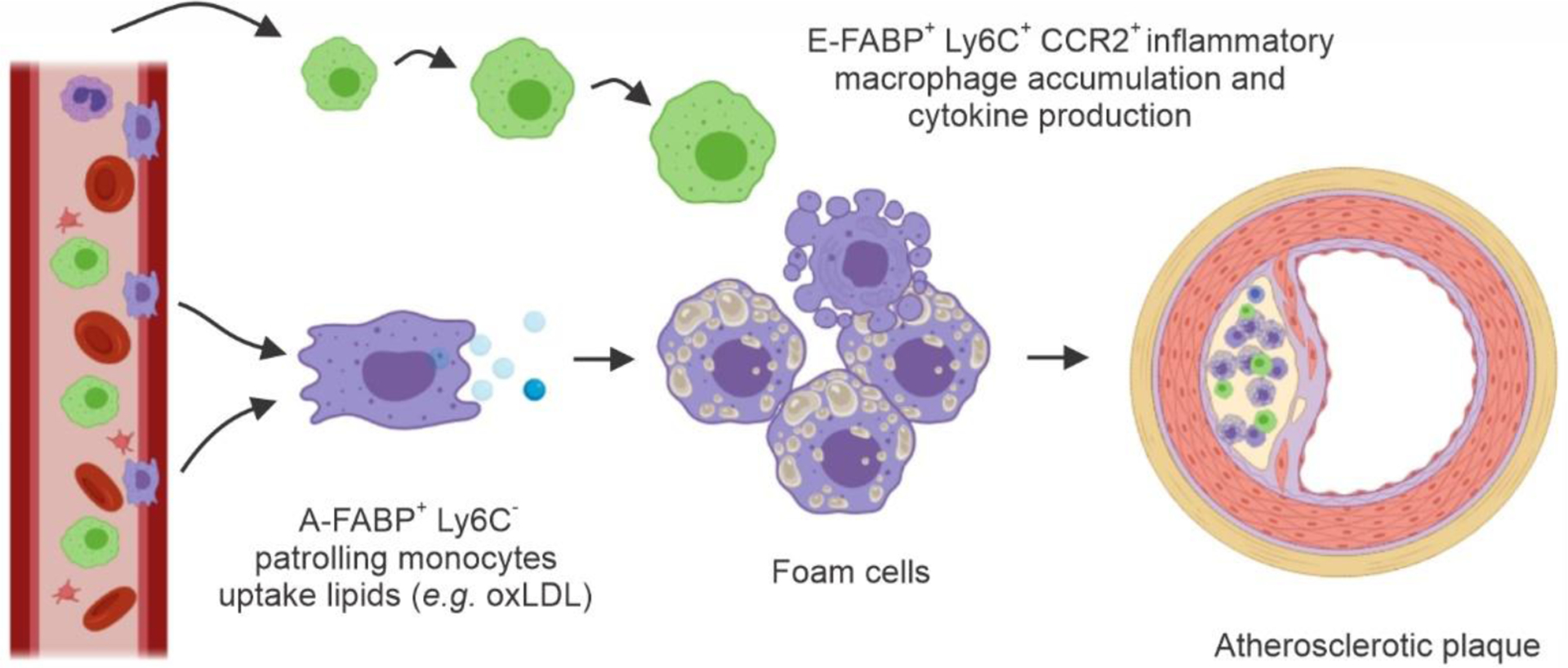
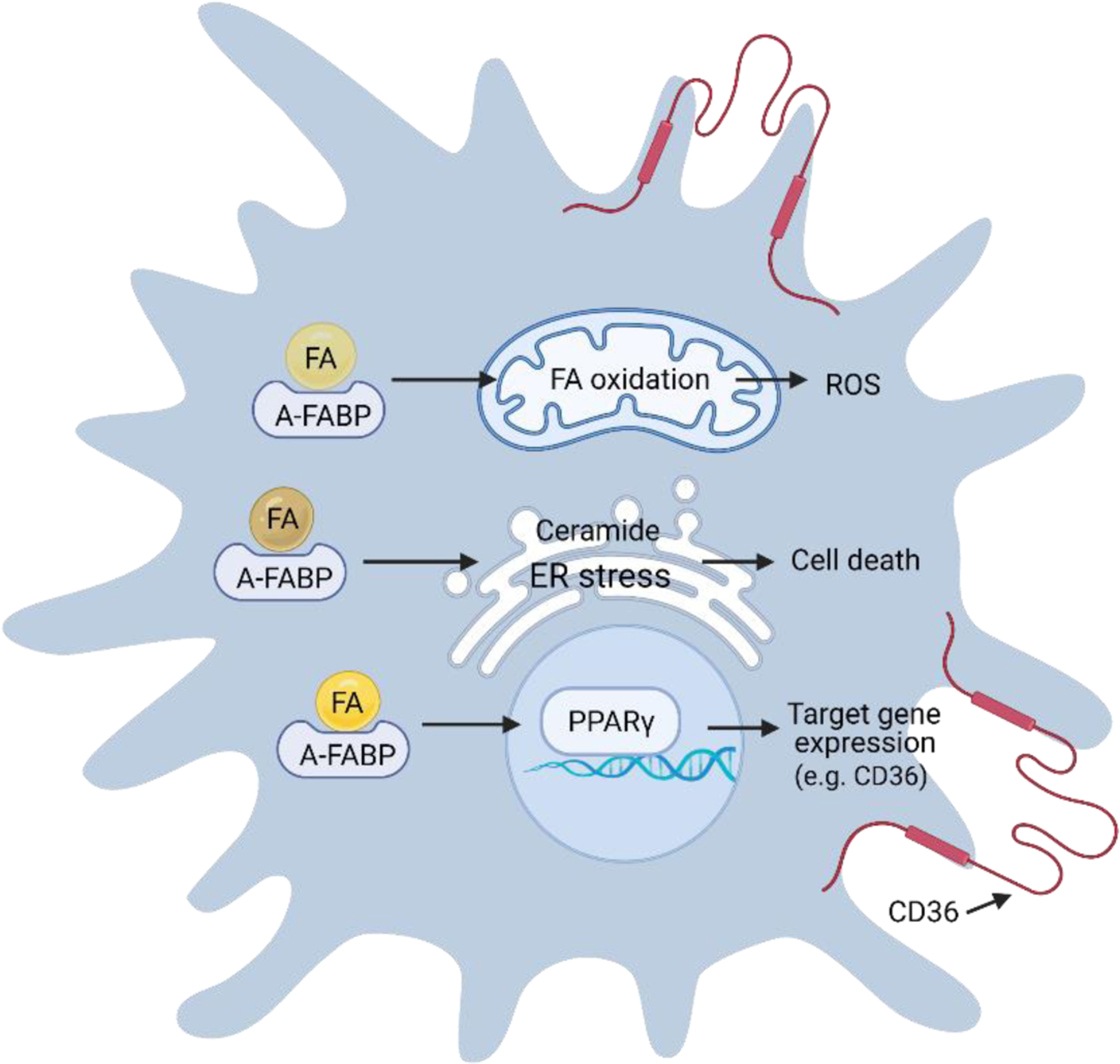
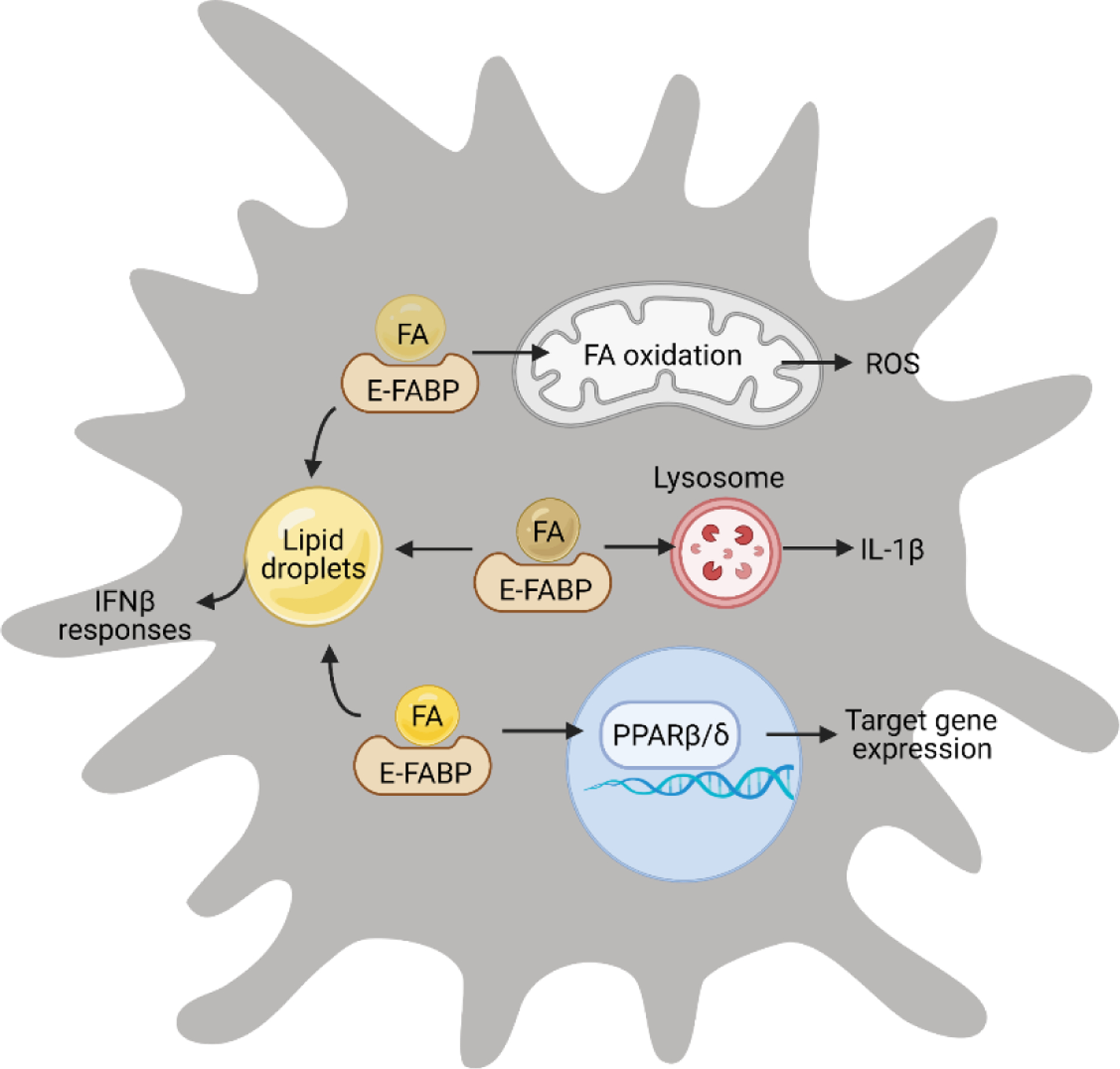
Macrophages are almost everywhere in the body, where they serve pivotal functions in maintaining tissue homeostasis, remodeling, and immunoregulation. Macrophages are traditionally thought to differentiate from bone marrow-derived hematopoietic stem cells (HSCs). Emerging studies suggest that some tissue macrophages at steady state originate from embryonic precursors in the yolk sac or fetal liver and are maintained in situ by self-renewal, but bone marrow-derived monocytes can give rise to tissue macrophages in pathogenic settings, such as inflammatory injuries and cancer. Macrophages are popularly classified as Th1 cytokine (e.g. IFNγ)-activated M1 macrophages (the classical activation) or Th2 cytokine (e.g. IL-4)-activated M2 macrophages (the alternative activation). However, given the myriad arrays of stimuli macrophages may encounter from local environment, macrophages exhibit notorious heterogeneity in their phenotypes and functions. Determining the underlying metabolic pathways engaged during macrophage activation is critical for understanding macrophage phenotypic and functional adaptivity under different disease settings. Fatty acid binding proteins (FABPs) represent a family of evolutionarily conserved proteins facilitating lipid transport, metabolism and responses inside cells. More specifically, adipose-FABP (A-FABP) and epidermal-FABP (E-FABP) are highly expressed in macrophages and play a central role in integrating metabolic and inflammatory pathways. In this review we highlight how A-FABP and E-FABP are respectively upregulated in different subsets of activated macrophages and provide a unique perspective in defining macrophage phenotypic and functional heterogeneity through FABP-regulated lipid metabolic and inflammatory pathways.
Keywords: Fatty acid binding proteins; Inflammation; Macrophages; Obesity.
Copyright © 2021 Elsevier B.V. All rights reserved.
Conflict of interest statement
Declaration of Interest Statement
There is no conflict of interests for all listed authors.
Figures
References
-
- Storch J, Corsico B, The emerging functions and mechanisms of mammalian fatty acid-binding proteins, Annu Rev Nutr, 28 (2008) 73–95. - PubMed
-
- Hertzel AV, Bernlohr DA, The mammalian fatty acid-binding protein multigene family: molecular and genetic insights into function, Trends Endocrinol Metab, 11 (2000) 175–180. - PubMed
Publication types
MeSH terms
Substances
Grants and funding
LinkOut - more resources
Full Text Sources
Other Literature Sources
Research Materials
