


Pyrolysis: An effective technique for degradation of COVID-19 medical wastes
- PMID: 33984908
- PMCID: PMC7901847
- DOI: 10.1016/j.chemosphere.2021.130092
Pyrolysis: An effective technique for degradation of COVID-19 medical wastes
Retraction in
-
Retraction notice to "Pyrolysis: An effective technique for degradation of COVID-19 medical wastes" [Chemosphere 275 (2021) 130092].Chemosphere. 2025 Feb;370:143824. doi: 10.1016/j.chemosphere.2024.143824. Epub 2024 Dec 16. Chemosphere. 2025. PMID: 39689995 Free PMC article. No abstract available.
Abstract
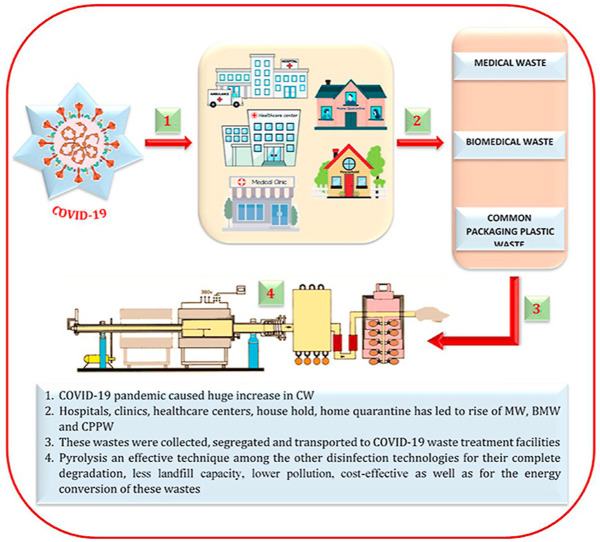
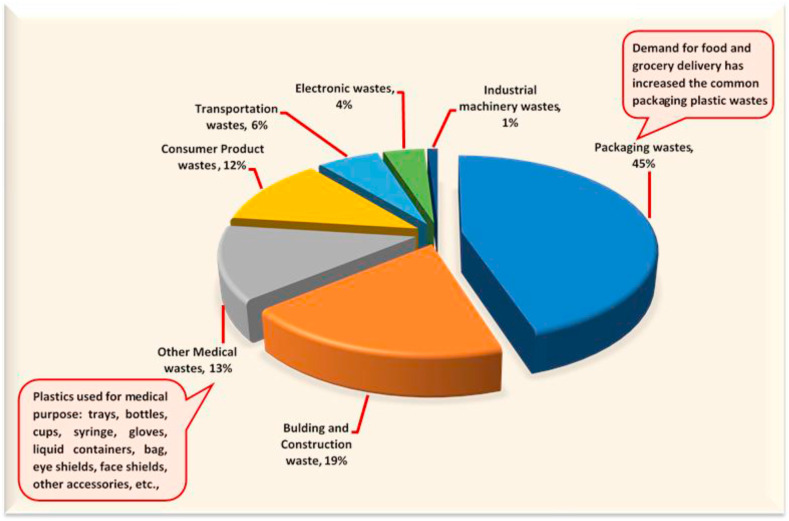
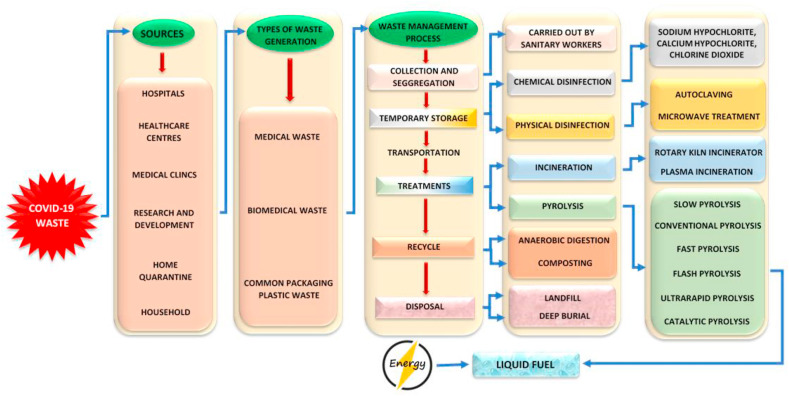
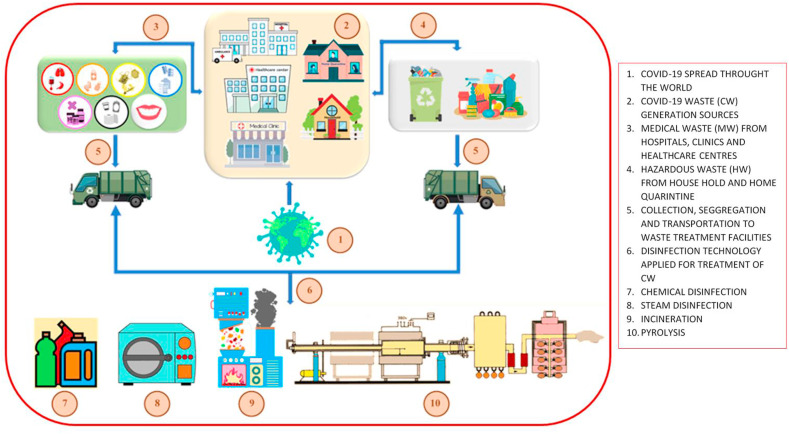
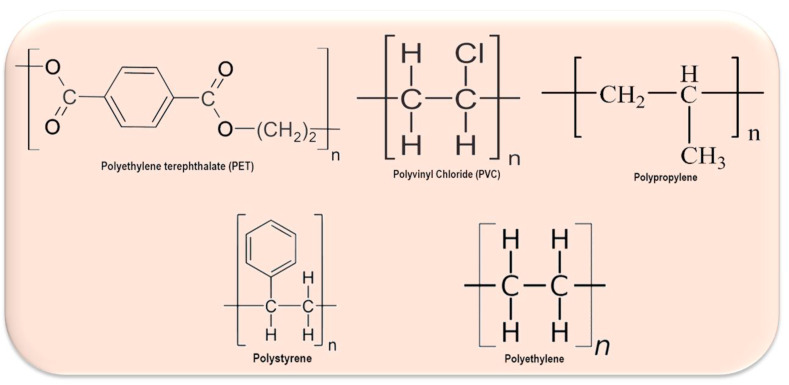
COVID-19 has led to the enormous rise of medical wastes throughout the world, and these have mainly been generated from hospitals, clinics, and other healthcare establishments. This creates an additional challenge in medical waste management, particularly in developing countries. Improper managing of medical waste may have serious public health issues and a significant impact on the environment. There are currently three disinfection technologies, namely incineration, chemical and physical processes, that are available to treat COVID-19 medical waste (CMW). This study focuses on thermochemical process, particularly pyrolysis process to treat the medical waste. Pyrolysis is a process that utilizes the thermal instability of organic components in medical waste to convert them into valuable products. Besides, the technique is environmentally friendly, more efficient and cost-effective, requires less landfill capacity, and causes lower pollution. The current pandemic situation generates a large amount of plastic medical wastes, which mainly consists of polyethylene, polypropylene, polystyrene, polyethylene terephthalate, and nylon. These plastic wastes can be converted into valuable energy products like oil, gas and char through pyrolysis process. This review provides detailed information about CMW handling, treatment, valuable product generation, and proper discharge into the open environment.
Keywords: COVID-19 medical waste; Disinfection techniques; Energy conversion; Medical waste management; Pyrolysis.
Copyright © 2021 Elsevier Ltd. All rights reserved.
Conflict of interest statement
Declaration of competing interest The authors declare that they have no known competing financial interests or personal relationships that could have appeared to influence the work reported in this paper.
Figures
References
-
- Abbas-Abadi M.S., Haghighi M.N., Yeganeh H. Evaluation of pyrolysis product of virgin high density polyethylene degradation using different process parameters in a stirred reactor. Fuel Process. Technol. 2013;109:90–95.
-
- Abbas-Abadi M.S., Haghighi M.N., Yeganeh H., McDonald A.G. Evaluation of pyrolysis process parameters on polypropylene degradation products. J. Anal. Appl. Pyrolysis. 2014;109:272–277.
-
- Aboughaly M., Gabbar H.A., Damideh V., Hassen I. RF-ICP thermal plasma for thermoplastic waste pyrolysis process with high conversion yield and tar elimination. Processes. 2020;8:281.
-
- Aboulkas A., El harfi K., El Bouadili A. Thermal degradation behaviors of polyethylene and polypropylene. Part I: pyrolysis kinetics and mechanisms. Energy Convers. Manag. 2010;51(7):1363–1369.
-
- Adnan, Shah J., Jan M.R. Thermo-catalytic pyrolysis of polystyrene in the presence of zinc bulk catalysts. J.Taiwan Instit.Chem. Eng. 2014;45:2494–2500.
Publication types
MeSH terms
Substances
LinkOut - more resources
Full Text Sources
Other Literature Sources
Medical
