


Effect of a Multistage Educational Skill-Based Program on Nurse's Stress and Anxiety in the Intensive Care Setting: A Randomized Controlled Trial
- PMID: 33986878
- PMCID: PMC8093071
- DOI: 10.1155/2021/8811347
Effect of a Multistage Educational Skill-Based Program on Nurse's Stress and Anxiety in the Intensive Care Setting: A Randomized Controlled Trial
Abstract
Background: Psychological problems such as stress and anxiety are prevalent among working nurses in the intensive care units (ICUs). This study was aimed at investigating the effects of three skill-based educational programs on stress and anxiety among critical care nurses.
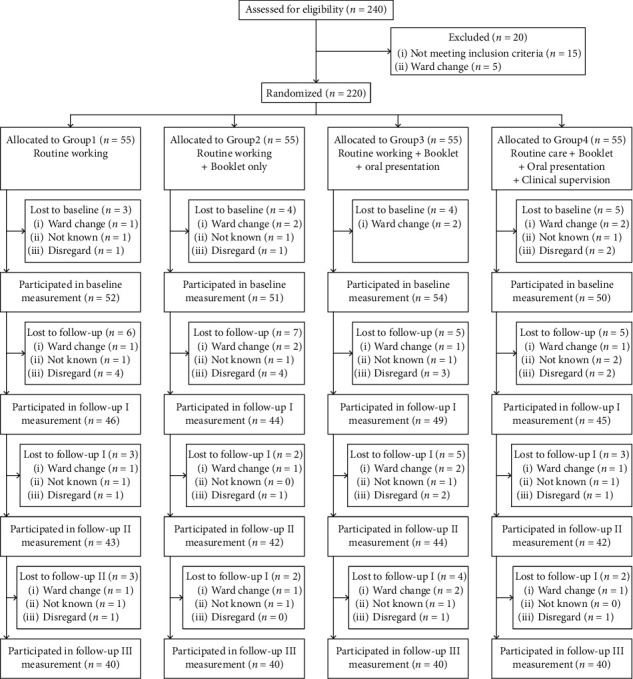
Methods: Using a randomized controlled trial, 160 nurses were assigned to four groups including one control and three intervention groups. A standard skill-based educational program was delivered to three intervention groups using booklet, booklet+oral presentation, and booklet+oral presentation+clinical teaching over a period of one month to reduce different types of stress and anxiety. The control group received routine education only. Perceived stress, state anxiety, trait anxiety, and work-related stress were assessed at baseline and three times after the intervention (15 days, 3 months, and 21 months). Repeated-measure analysis of variance was used for data analysis.
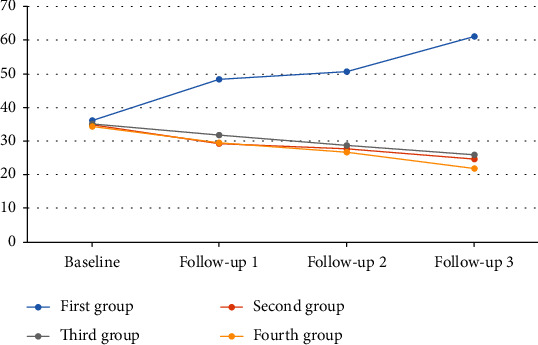
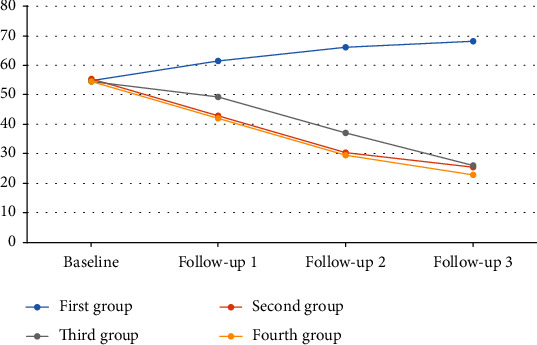
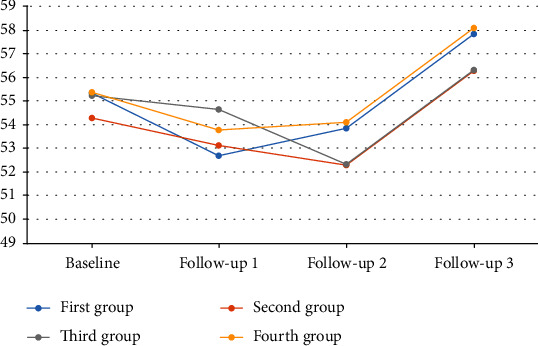
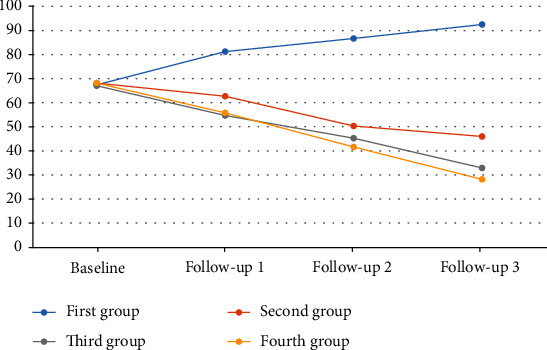
Results: There was no significant change in the control group in terms of study variables during follow-up assessments, whereas measures of stress and anxiety were reduced after intervention in the trial groups except trait anxiety. Nurses in the mixed-method group (booklet+oral presentation+clinical teaching) showed less stress and anxiety during follow-ups. Although the stress and anxiety scores decreased in the first and second follow-ups, there was no significant reduction in the third follow-up.
Conclusions: To improve the mental health and performance of the intensive care unit nurses, knowledge-based and skill-based training programs seem useful. Continuous training may help to maintain the effectiveness of these programs over time.
Copyright © 2021 Mohsen Saffari et al.
Conflict of interest statement
The authors declare that they have no conflicts of interest.
Figures
References
-
- Sara J. D., Prasad M., Eleid M. F., Zhang M., Widmer R. J., Lerman A. Association between work-related stress and coronary heart disease: a review of prospective studies through the job strain, effort-reward balance, and organizational justice models. Journal of the American Heart Association. 2018;7(9) doi: 10.1161/JAHA.117.008073. - DOI - PMC - PubMed
-
- Friganovic A., Selic P., Ilic B., Sedic B. Stress and burnout syndrome and their associations with coping and job satisfaction in critical care nurses: a literature review. Psychiatria Danubina. 2019;31(Supplement 1):21–31. - PubMed
