


Biosynthesis of silver nano-drug using Juniperus excelsa and its synergistic antibacterial activity against multidrug-resistant bacteria for wound dressing applications
- PMID: 33987072
- PMCID: PMC8105439
- DOI: 10.1007/s13205-021-02782-z
Biosynthesis of silver nano-drug using Juniperus excelsa and its synergistic antibacterial activity against multidrug-resistant bacteria for wound dressing applications
Abstract
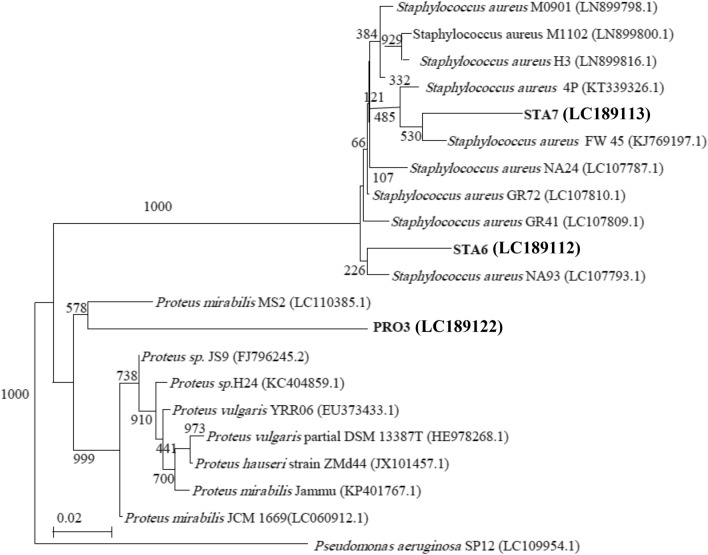
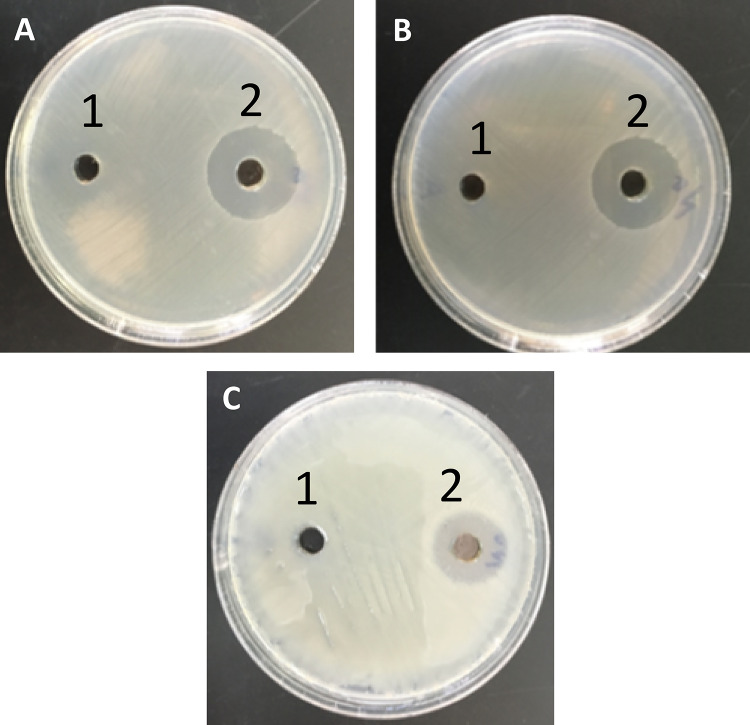
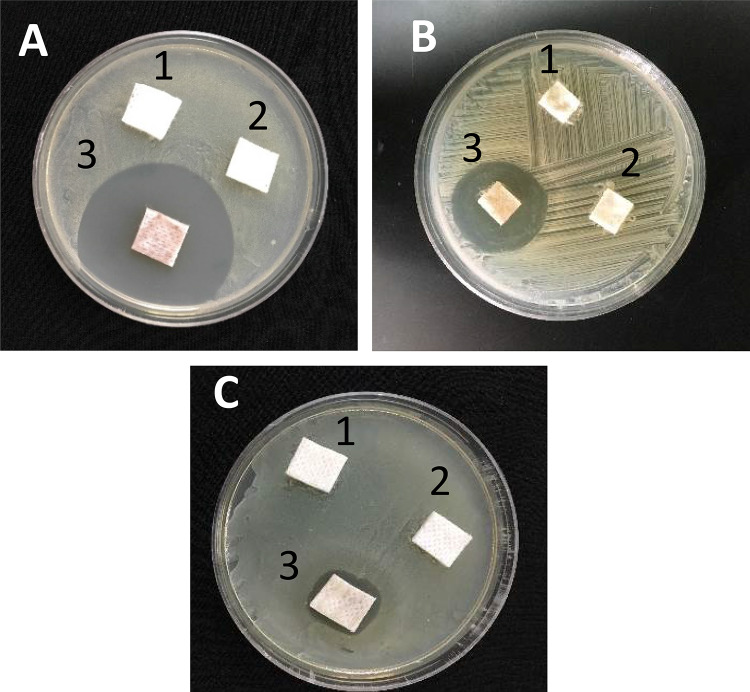
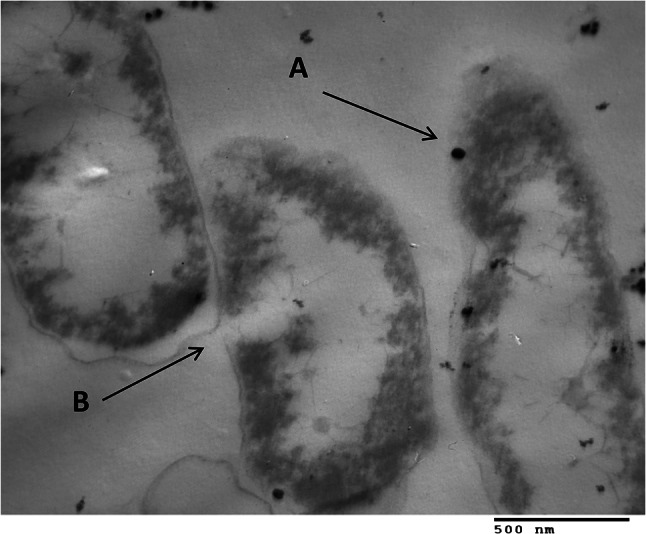
We report here the synthesis of silver nanoparticles (AgNPs) from an aqueous extract of Juniperus excelsa and their use as an antimicrobial agent on their own or in combination with antibiotics in inhibiting multidrug-resistant bacteria (MDR). One strategy of bacterial infection control in wound healing is AgNP biosynthesis. We collected bacterial strains of patient skin infections from Al-Adwani Hospital. Phenotyping, biotyping, and molecular characterizations were applied using 16S rRNA gene analysis of bacterial isolates. Our results identified tested MDR bacteria Staphylococcus aureus strains (methicillin-resistant and methicillin-susceptible) and Proteus mirabilis. Gas chromatography/mass spectrometry (GC/MS) analysis was used to identify the Juniperus excelsa biomolecules in the leaf extract acting as both reducing and capping agents in the biosynthesis of AgNPs. The AgNPs appeared hexagonal and spherical in shape upon transmission electron microscope (TEM) analysis. The AgNP sizes ranged from 16.08 to 24.42 nm. X-ray diffraction (XRD) analysis confirmed the crystalline nature of the particles. The minimum inhibitory concentrations (MICs) of the AgNPs against the tested MDR bacteria ranged from 48 to 56 µg/ml, while the minimum bactericidal concentrations (MBCs) of the AgNPs against the tested strains ranged from 72 to 96 µg/ml. The AgNPs showed a good synergistic efficacy with Cefaclor, Cefoxitin, and Erythromycin. Their efficiency showed a threefold increase in the inhibition of tested strains when used in wound dressing, due to the AgNPs potentially activating the antibiotics. Consequently, we can use AgNPs with Cefaclor, Cefoxitin, and Erythromycin antibiotics as alternative antimicrobial agents, and they could be utilized in wound dressing to prevent microbial infections.
Keywords: Antibiotic resistance; Silver nanoparticles; Synergistic effect; Wound dressing.
© King Abdulaziz City for Science and Technology 2021.
Conflict of interest statement
Conflict of interestThe authors declare that they have no conflict of interest in the publication.
Figures
References
-
- Agnihotri S, Mukherji S, Mukherji S. Size-controlled silver nanoparticles synthesized over the range 5–100 nm using the same protocol and their antibacterial efficacy. RSC Adv. 2014;8:3974–3983. doi: 10.1039/C3RA44507K. - DOI
-
- Akram FE, El-Tayeb T, Abou Aisha K, El Azizi M. A combination of silver nanoparticles and visible blue light enhances the antibacterial efficacy of ineffective antibiotics against methicillin-resistant Staphylococcus aureus (MRSA) Ann Clin Microbiol Antimicrob. 2016;15:48. doi: 10.1186/s12941-016-0164-y. - DOI - PMC - PubMed
-
- Al-Anazi AR. Prevalence of methicillin-resistant Staphylococcus aureus in a teaching hospital in Riyadh, Saudi Arabia. Biomed Res. 2009;20:7–14.
-
- Aravinthan A, Govarthanan M, Selvam K, Praburaman L, Selvankumar T, Balamurugan R, Kamala-Kannan S, Kim J. Sunroot mediated synthesis and characterization of silver nanoparticles and evaluation of its antibacterial and rat splenocyte cytotoxic effects. Int J Nanomedicine. 2015;10:1977–1983. doi: 10.2147/IJN.S79106. - DOI - PMC - PubMed
-
- Ashok B, Hariram N, Siengchin S, Rajulu AV. Modification of tamarind fruit shell powder with in situ generated copper nanoparticles by single step hydrothermal method. J Biores Bioprod. 2020;5:180–185. doi: 10.1016/j.jobab.2020.07.003. - DOI
LinkOut - more resources
Full Text Sources
Other Literature Sources
Miscellaneous
