


Human Dental Pulp Stem Cells Exhibit Osteogenic Differentiation Potential
- PMID: 33987479
- PMCID: PMC8114786
- DOI: 10.1515/biol-2020-0023
Human Dental Pulp Stem Cells Exhibit Osteogenic Differentiation Potential
Abstract
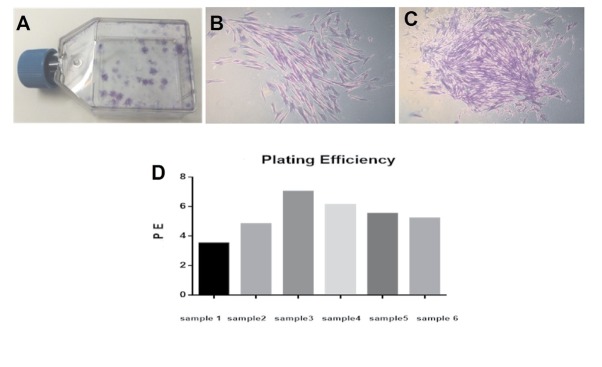
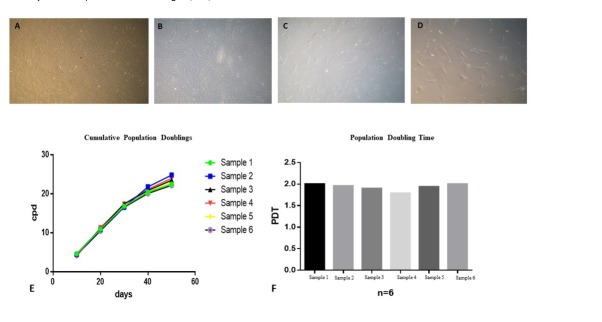
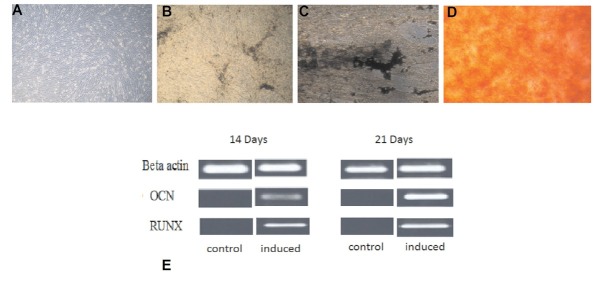
Bone regeneration after trauma, pathologic and surgical procedures is considered a major medical challenge. Due to limitations in using conventional approaches, cell based regenerative strategies may provide an alternative option to address such issues. In the current study, we sought to determine the osteogenic potential of dental pulp stem cells (DPSCs) isolated from impacted 3rd molars. DPSCs were isolated from human dental pulp tissue (n=6) using explant culture. Growth characteristics of DPSCs were determined using plating efficiency, and the number and time of population doublings. After characterization, DPSCs were induced to differentiate into osteoblasts and were assessed using polymerase chain reactions (PCR) and histological analysis. Results indicated that DPSCs can be isolated from impacted human third molars, and that DPSCs exhibited typical fibroblastic morphology and excellent proliferative potential. In addition, morphological changes, histological analysis and expression of lineage specific genes confirmed osteogenic differentiation of DPSCs. In conclusion, DPSCs isolated from impacted 3rd molars have high proliferative potential and ability to differentiate into osteoblasts.
Keywords: dental pulp; human dental pulp stem cells; impacted tooth; osteoblast; third molars.
© 2020 Sadia Awais, et al. published by De Gruyter.
Conflict of interest statement
Conflict of interest: Authors state no conflict of interest.
Figures

References
-
- Ito K, Yamada Y, Nakamura S, Ueda M. Osteogenic Potential of Effective Bone Engineering Using Dental Pulp Stem Cells, Bone Marrow Stem Cells and Periosteal Cells for Osseo integration of Dental Implants. Int J Oral Maxillofac Implants. 2011;26(5):947–54. - PubMed
-
- Didilescu AC, Rusu MC, Nini G. Dental pulp as a stem cell reservoir. Rom J Morphol Embryol. 2013;54(3):473–8. - PubMed
LinkOut - more resources
Full Text Sources
Miscellaneous