


Bedsharing in Early Childhood: Frequency, Partner Characteristics, and Relations to Sleep
- PMID: 33988085
- PMCID: PMC8522355
- DOI: 10.1080/00221325.2021.1916732
Bedsharing in Early Childhood: Frequency, Partner Characteristics, and Relations to Sleep
Abstract
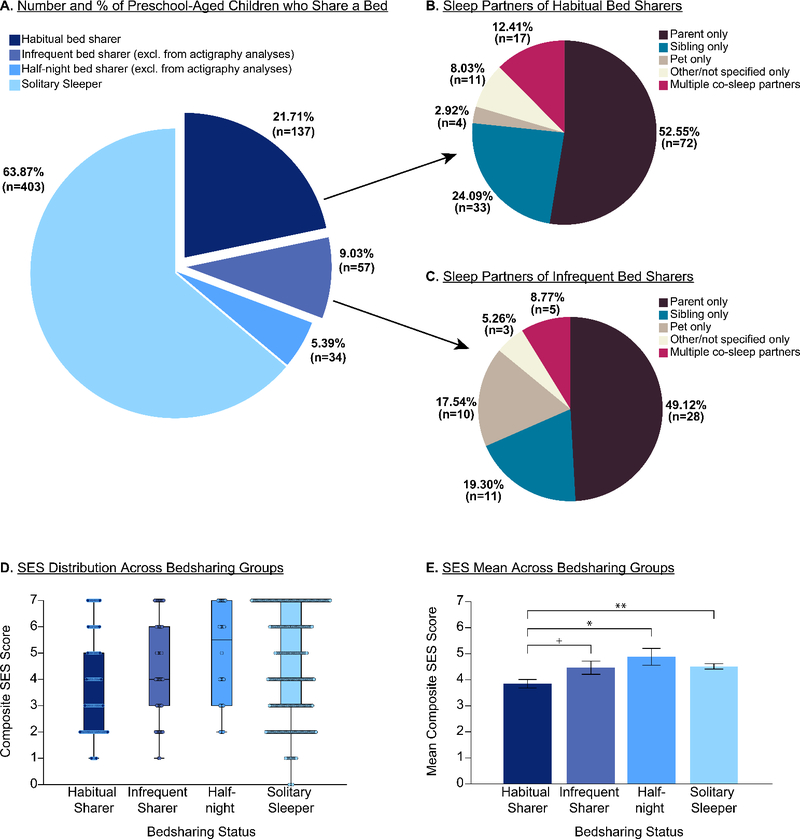
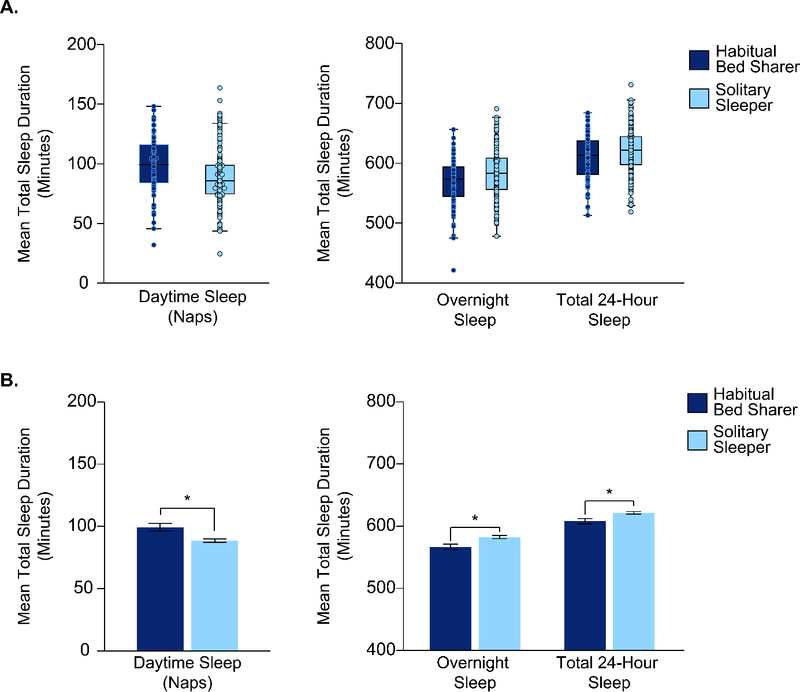
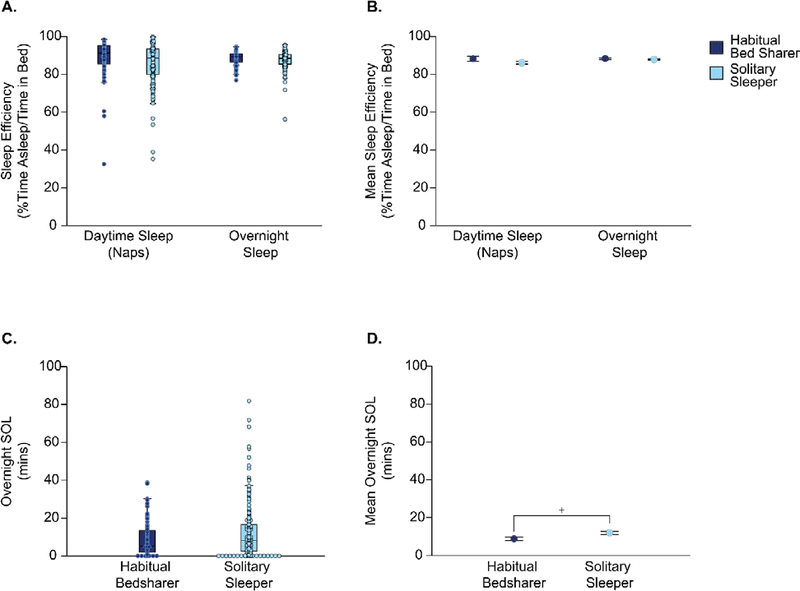
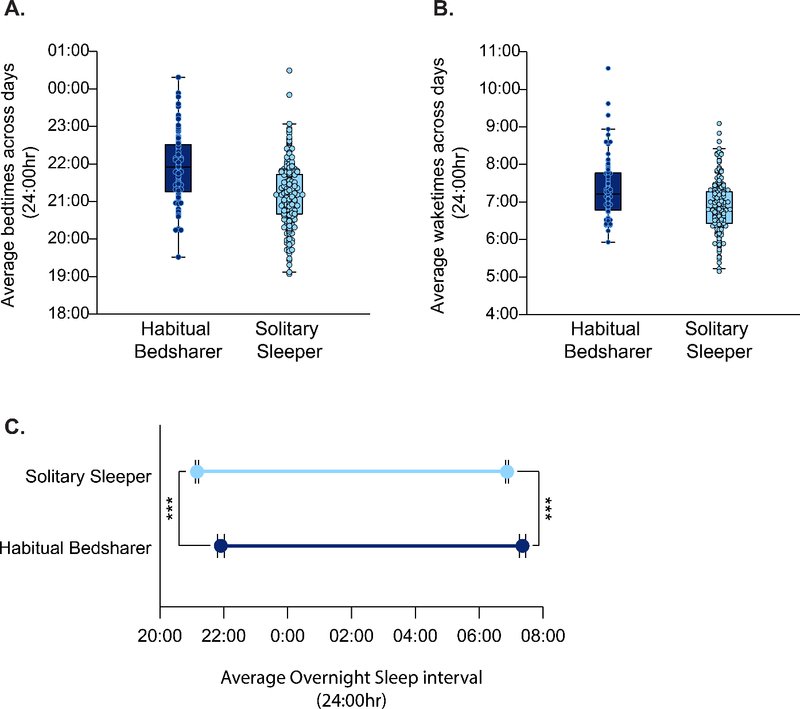
Bedsharing (sharing a bed with others during sleep) in early childhood (3-5 years old) is common across Western and non-Western societies alike. Though prior work indicates that bedsharing may relate to impairments in child sleep quantity or quality, the majority of studies conducted in young children are limited to parent-child bedsharing and rely almost exclusively on caregiver reports to measure child sleep. Here, the authors endeavored to gain further insights into the diversity of bedsharing practices among children in the United States, including how different bedsharing partners (caregivers, siblings) might impact actigraphy-derived measures of children's sleep. Using a sample of 631 children ages 2:9 to 5:11 years, we found that over 36% of children bedshared in some form overnight, with approximately 22% bedsharing habitually. In a subset of children for whom actigraphy measures were collected (n = 337), children who bedshared habitually (n = 80) had significantly shorter overnight sleep, later sleep and wake times, and longer naps than solitary sleepers (n = 257), even when controlling for socioeconomic status. Despite supplementing their shorter overnight sleep with longer naps, habitually bedsharing children had significantly shorter 24-hr sleep time than did solitary sleepers, though differences in sleep efficiency were nonsignificant for all sleep periods. Additionally, sleep efficiency, onset latency, and duration did not differ between children who habitually bedshared with siblings versus those who habitually bedshared with parents. The present results add to prior work examining family contextual correlates of sleep differences in early childhood and provide a more objective account of relations between bedsharing and child sleep.
Keywords: Bedsharing; co-sleeping; early childhood; siblings; sleep.
Conflict of interest statement
Figures
References
-
- Ball Helen L. (2006). Caring for twin infants: sleeping arrangements and their implications. Evidence Based Midwifery, 4(1), 10–16.
-
- Ball Helen Louise. (2006). Night-time infant care: cultural practice, evolution, and infant development. In Childrearing and infant care issues : a cross-cultural perspective (pp. 47–61). Melbourne: Nova Science.
-
- Berzofsky M, Smiley-McDonald H, Moore A, & Krebs C (2014). Measuring Socioeconomic Status (SES) in the NCVS: Background, Options, and Recommendations. Bureau of Justice Statistics, U.S. Department of Justice, (0213170), 65. 10.1007/BF03061070 - DOI
MeSH terms
Grants and funding
LinkOut - more resources
Full Text Sources
Other Literature Sources