


Contemporary treatment of anxiety in primary care: a systematic review and meta-analysis of outcomes in countries with universal healthcare
- PMID: 33992082
- PMCID: PMC8126070
- DOI: 10.1186/s12875-021-01445-5
Contemporary treatment of anxiety in primary care: a systematic review and meta-analysis of outcomes in countries with universal healthcare
Abstract
Background: Anxiety disorders are highly prevalent mental health conditions and are managed predominantly in primary care. We conducted a systematic review and meta-analysis of psychological and pharmacological treatments in countries with universal healthcare, and investigated the influence of treatment provider on the efficacy of psychological treatment.
Method: PubMed, Cochrane, PsycINFO, CINAHL, and Scopus were searched in April 2017 for controlled studies of evidence-based anxiety treatment in adults in primary care, published in English since 1997. Searches were repeated in April 2020. We synthesised results using a combination of meta-analysis and narrative methods. Meta-analysis was conducted using a random-effects multi-level model to account for intercorrelation between effects contributed different treatment arms of the same study. Moderator variables were explored using meta-regression analyses.
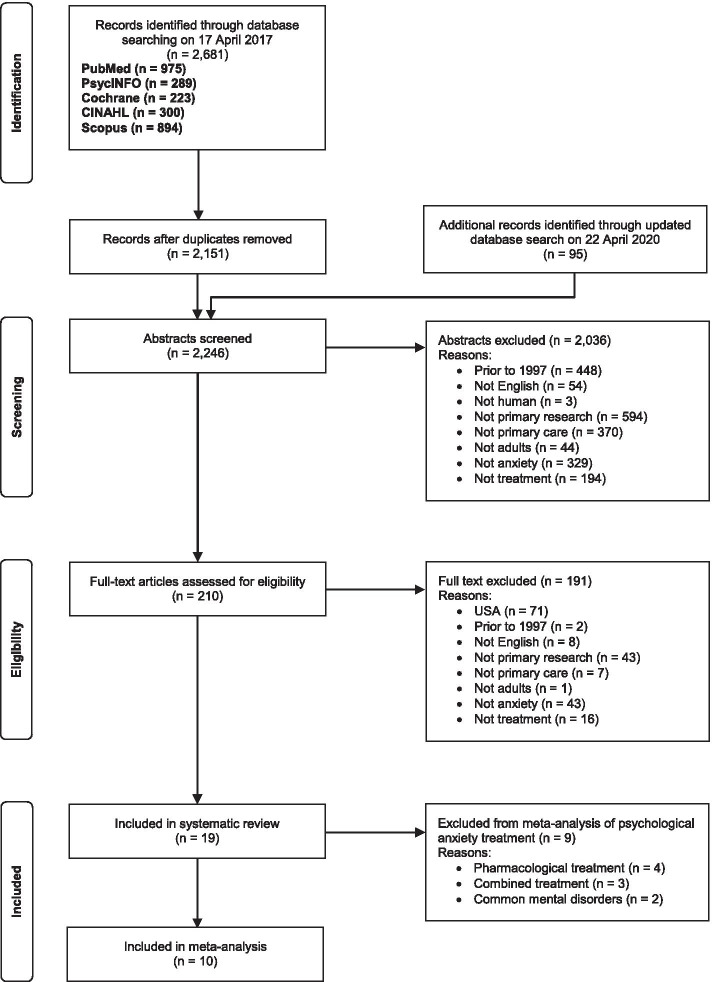
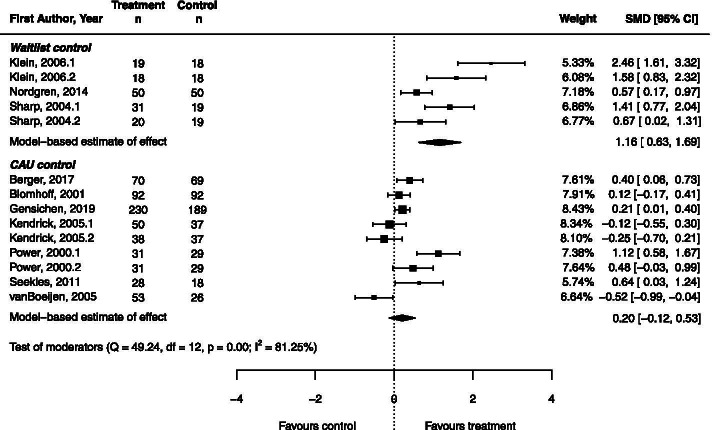
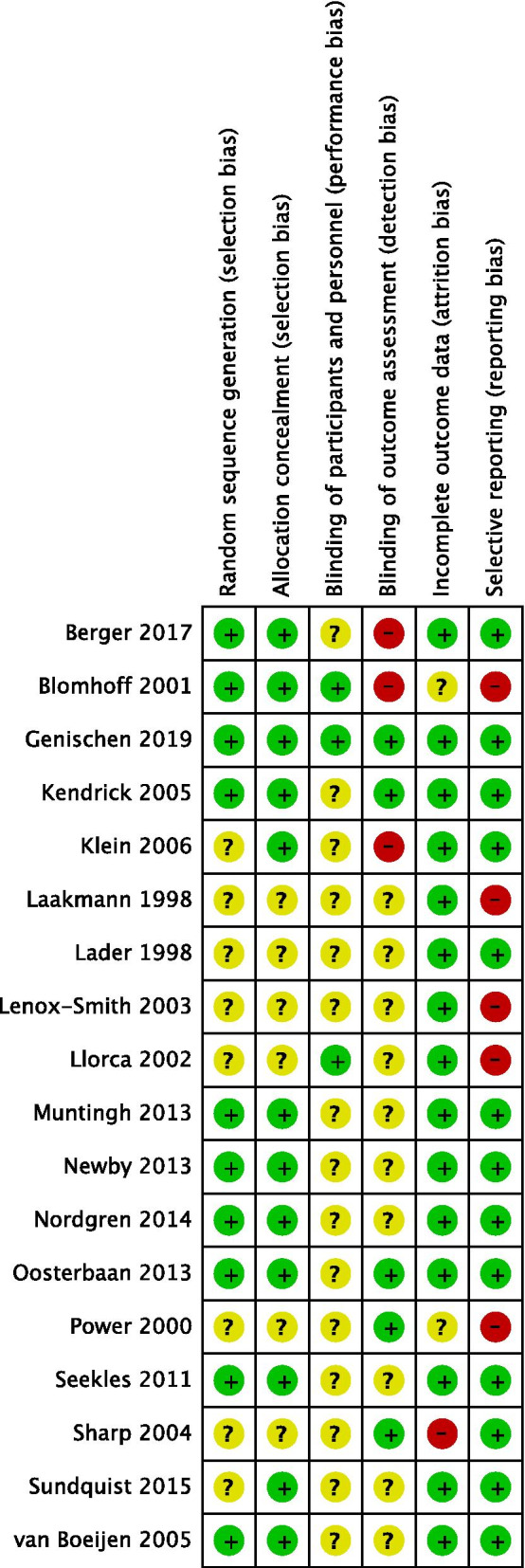
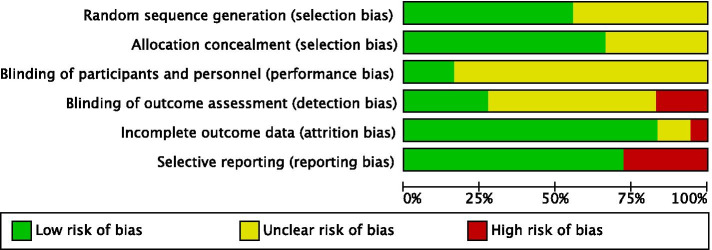
Results: In total, 19 articles (from an initial 2,247) reporting 18 studies were included. Meta-analysis including ten studies (n = 1,308) found a pooled effect size of g = 1.16 (95%CI = 0.63 - 1.69) for psychological treatment compared to waitlist control, and no significant effect compared to care as usual (p = .225). Substantial heterogeneity was present (I2 = 81.25). Specialist treatment produced large effects compared to both waitlist control (g = 1.46, 95%CI = 0.96 - 1.96) and care as usual (g = 0.76, 95%CI = 0.27 - 1.25). Treatment provided by non-specialists was only superior to waitlist control (g = 0.80, 95%CI = 0.31 - 1.28). We identified relatively few studies (n = 4) of medications, which reported small to moderate effects for SSRI/SNRI medications and hydroxyzine. The quality of included studies was variable and most studies had at least "unclear" risk of bias in one or more key domains.
Conclusions: Psychological treatments for anxiety are effective in primary care and are more effective when provided by a specialist (psychologist or clinical psychologist) than a non-specialist (GP, nurse, trainee). However, non-specialists provide effective treatment compared with no care at all. Limited research into the efficacy of pharmacological treatments in primary care needs to be considered carefully by prescribers TRIAL REGISTRATION: PROSPERO registration number CRD42018050659.
Keywords: Anxiety; Meta-analysis; Pharmacological treatment; Primary care; Psychological treatment; Systematic review.
Conflict of interest statement
ELP is paid by Marathon Health for provision of psychological therapy services and runs a private practice as a psychologist. No other relationships or activities with potential to bias the work are identified.
Figures
References
Publication types
MeSH terms
LinkOut - more resources
Full Text Sources
Other Literature Sources
Medical
Miscellaneous
