


A review and analysis of the clinical literature on Charcot-Marie-Tooth disease caused by mutations in neurofilament protein L
- PMID: 33993654
- PMCID: PMC10174713
- DOI: 10.1002/cm.21676
A review and analysis of the clinical literature on Charcot-Marie-Tooth disease caused by mutations in neurofilament protein L
Abstract
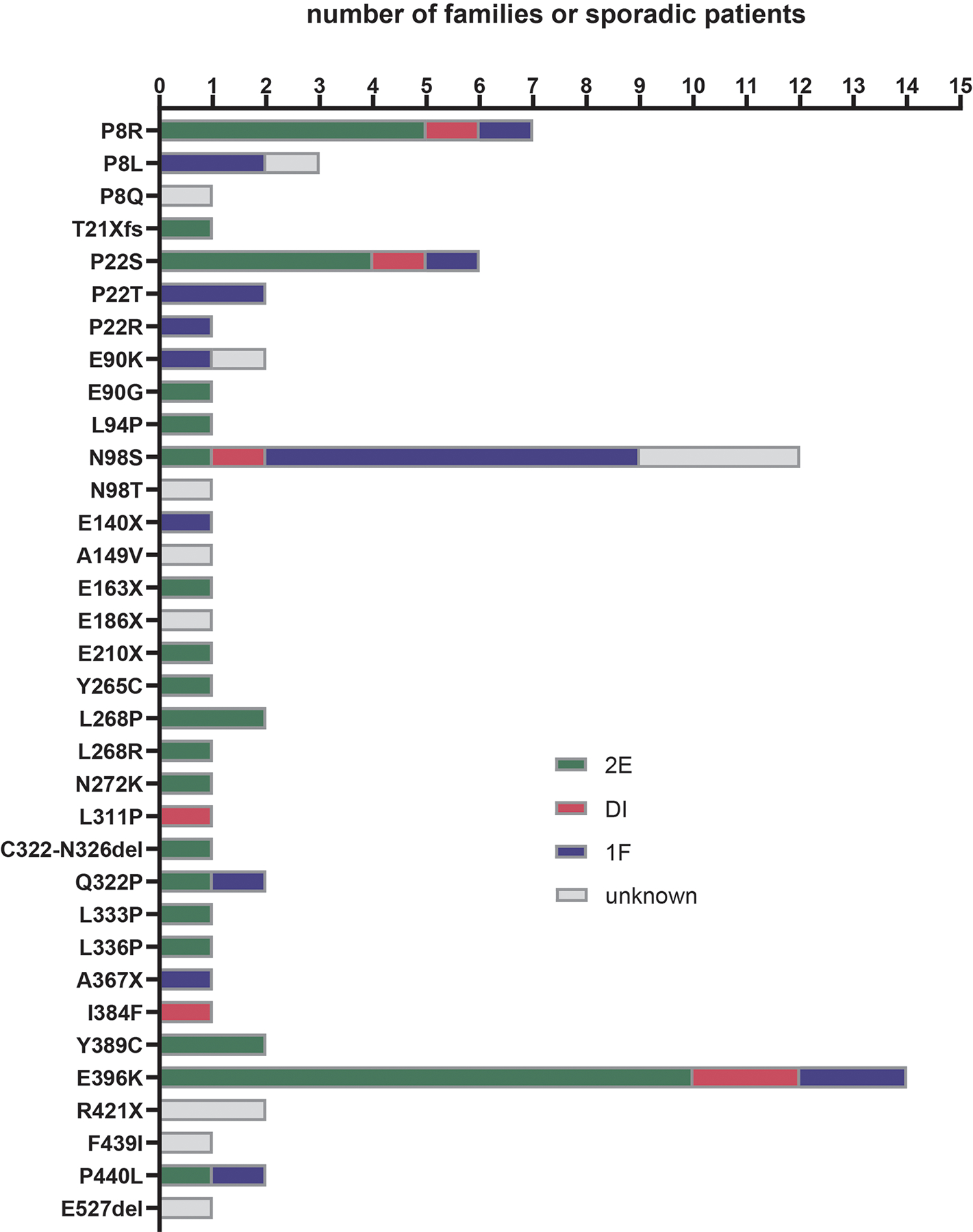
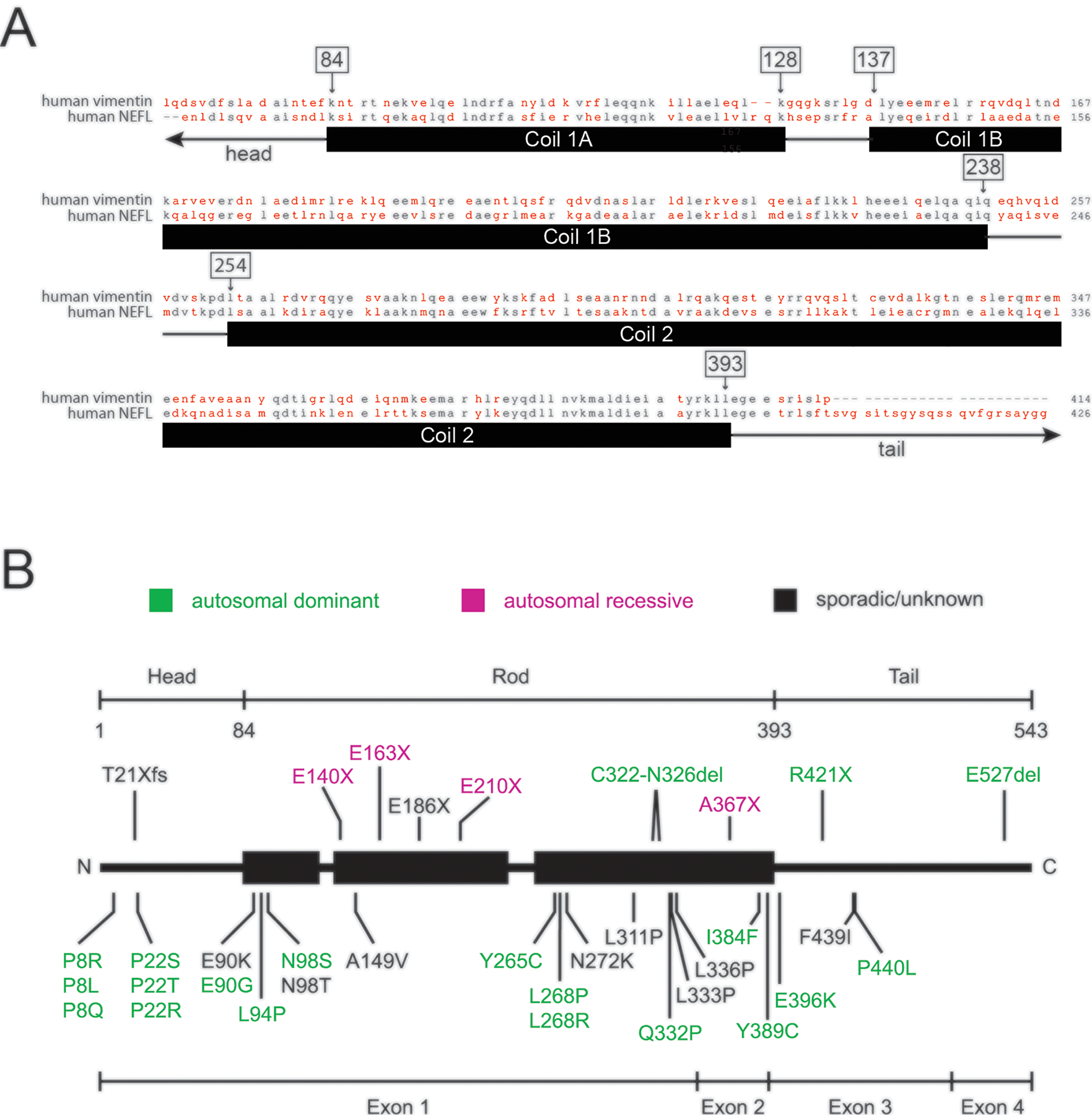
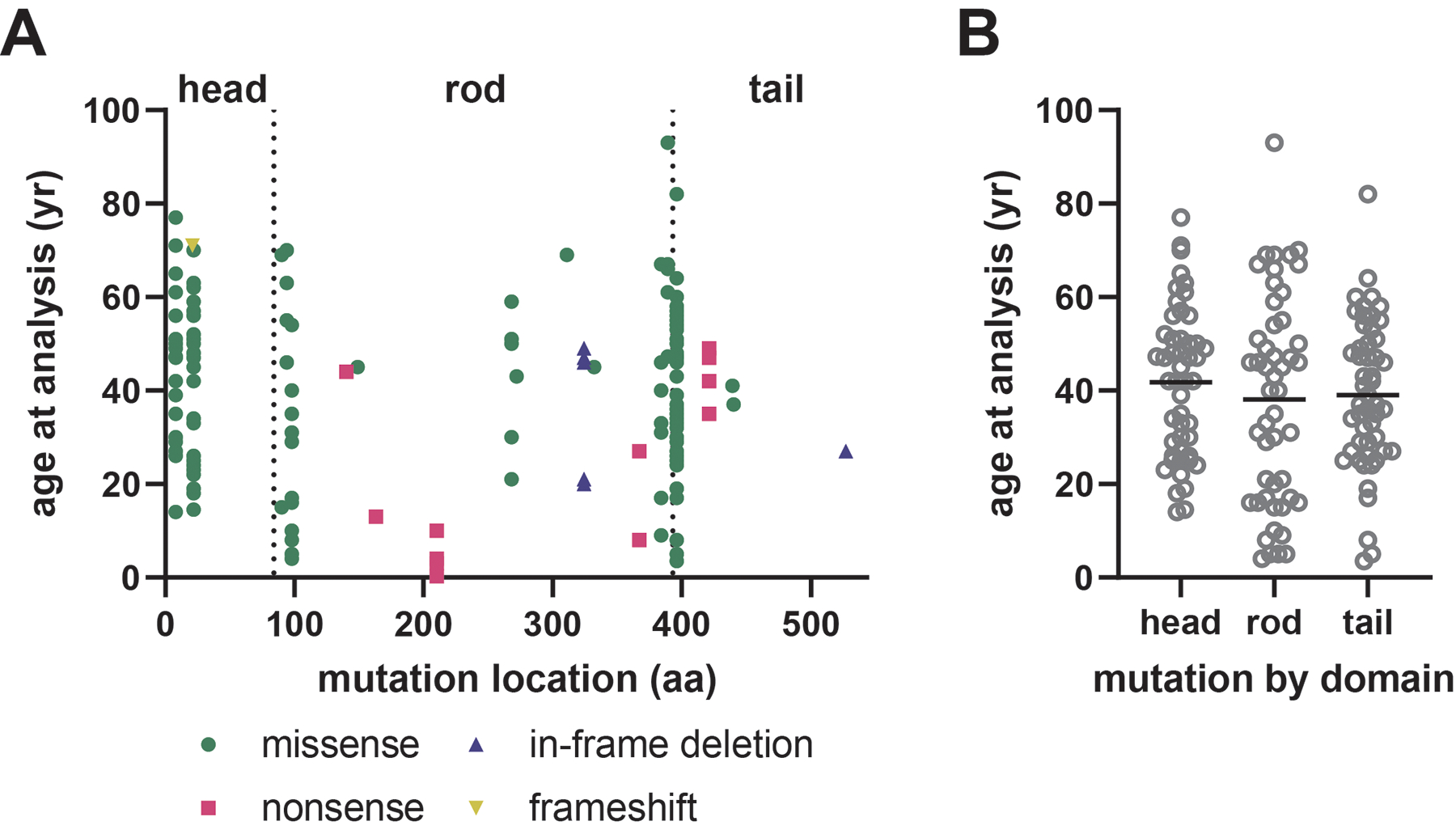
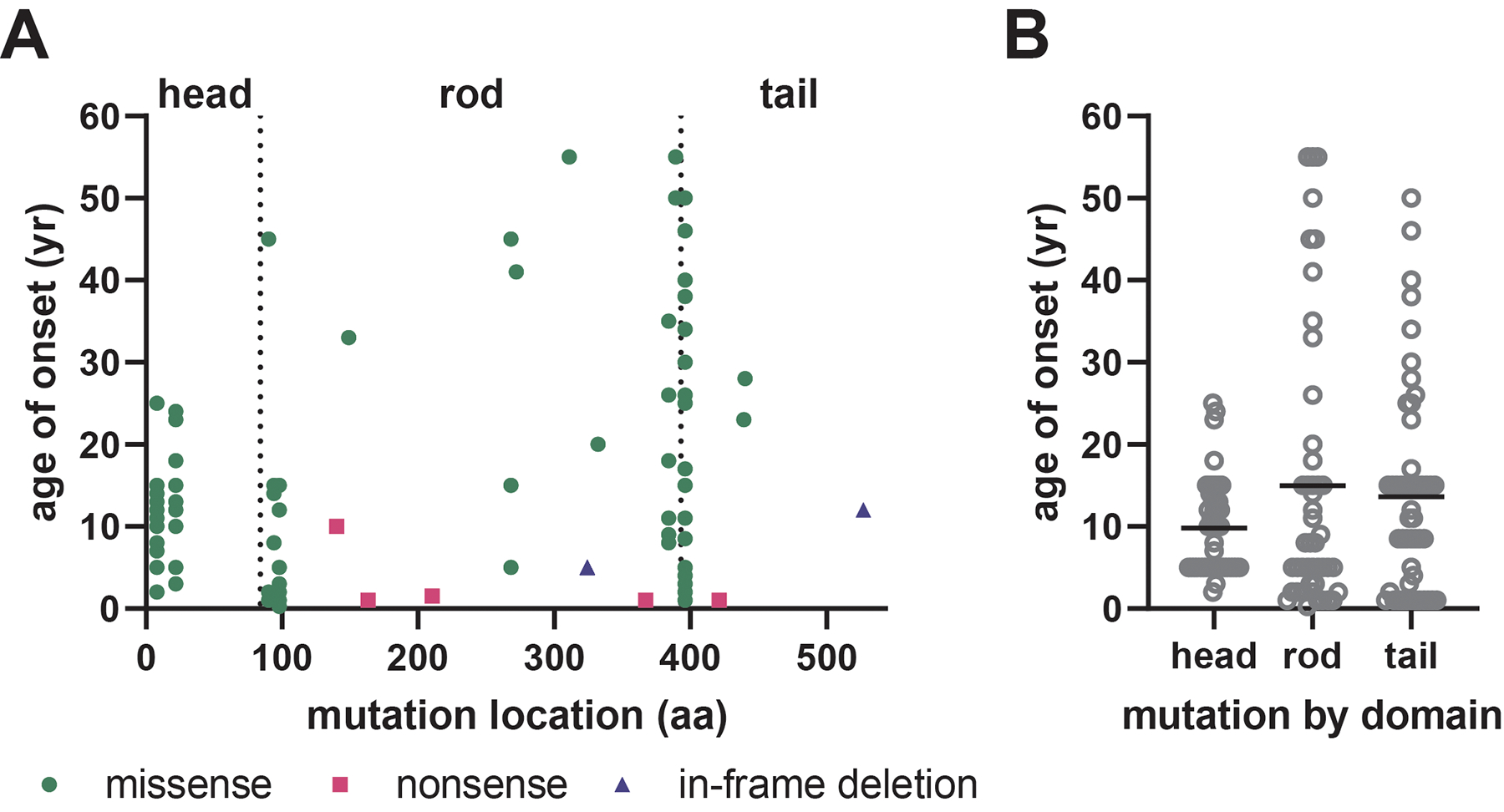
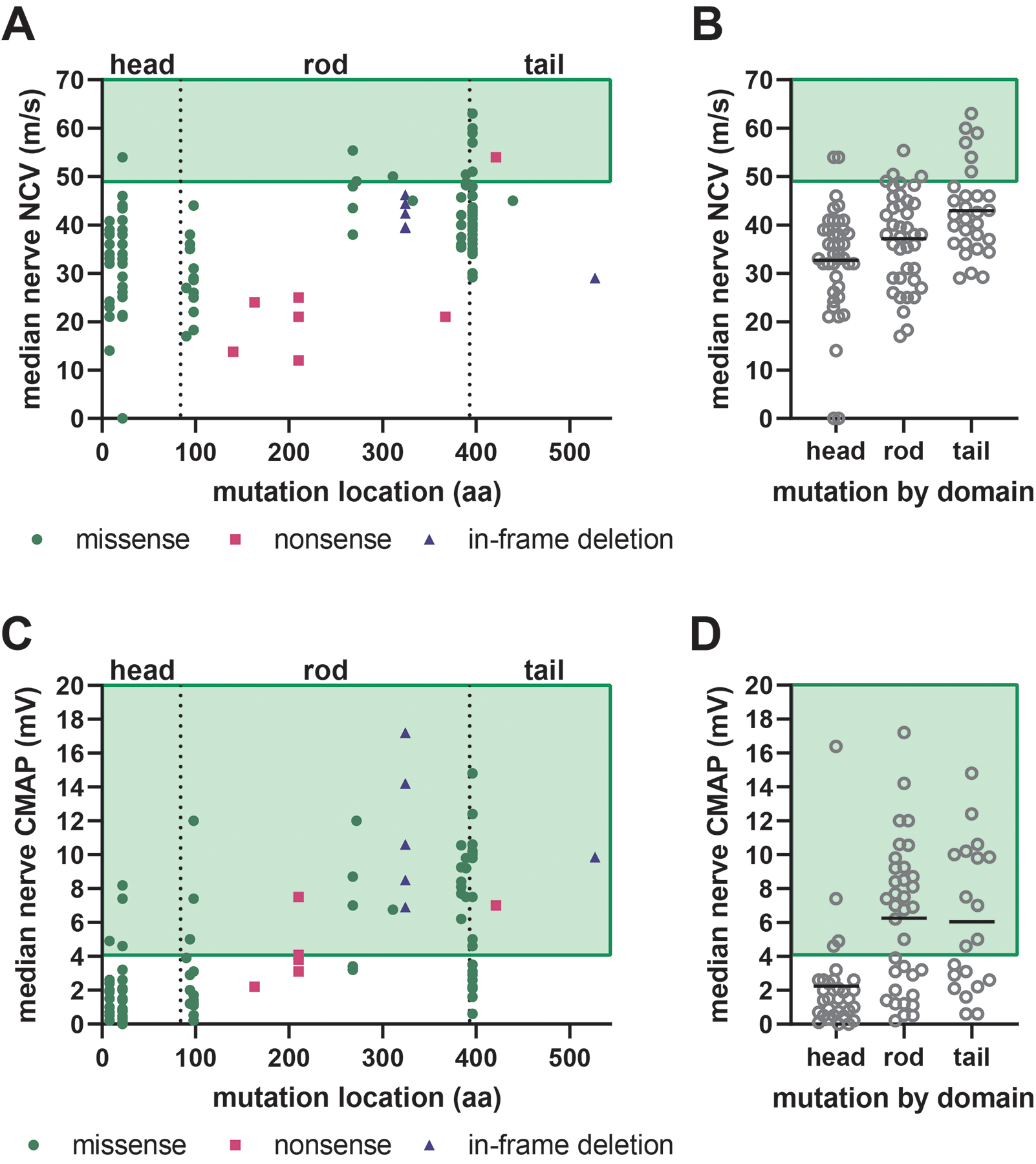
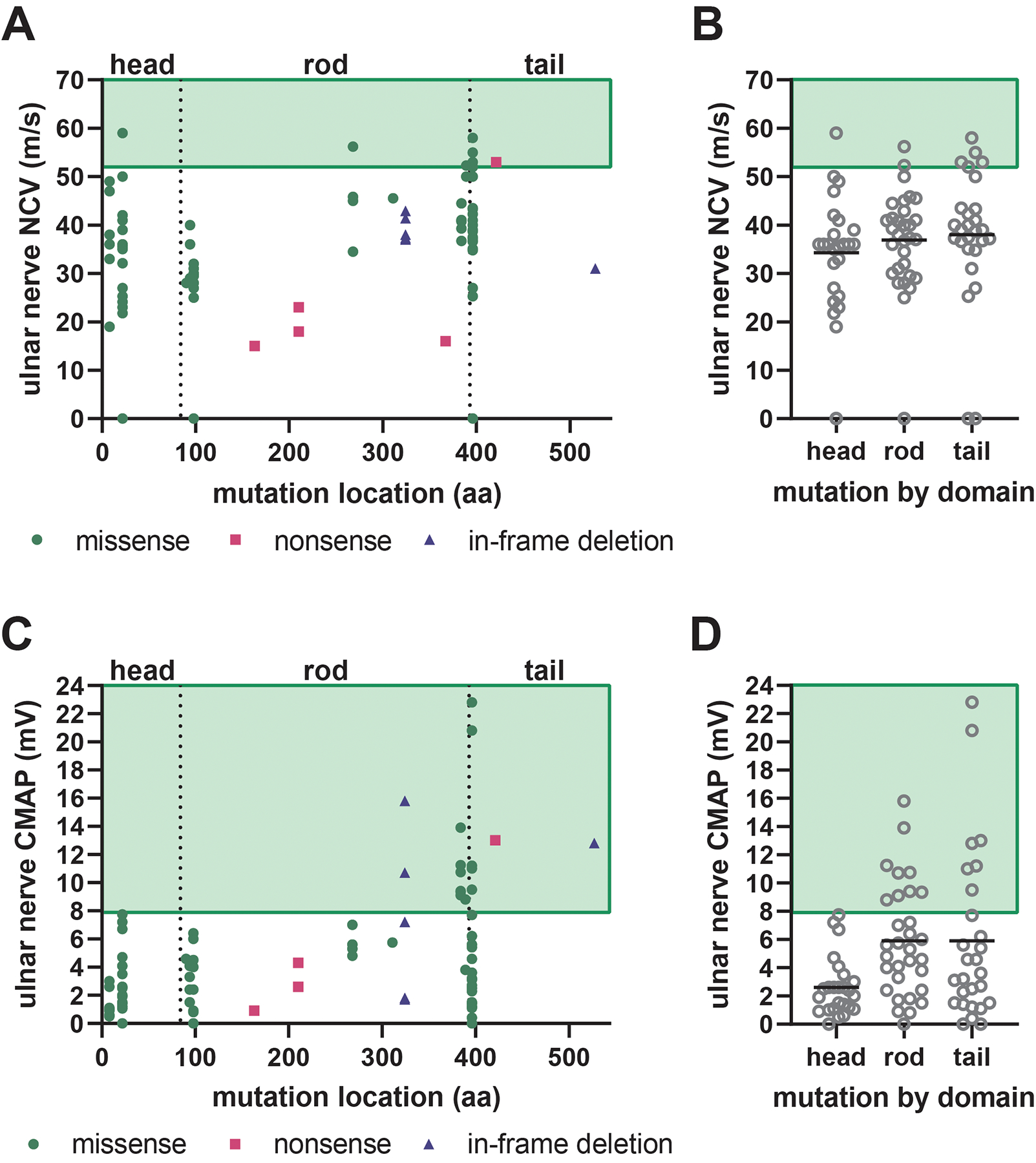
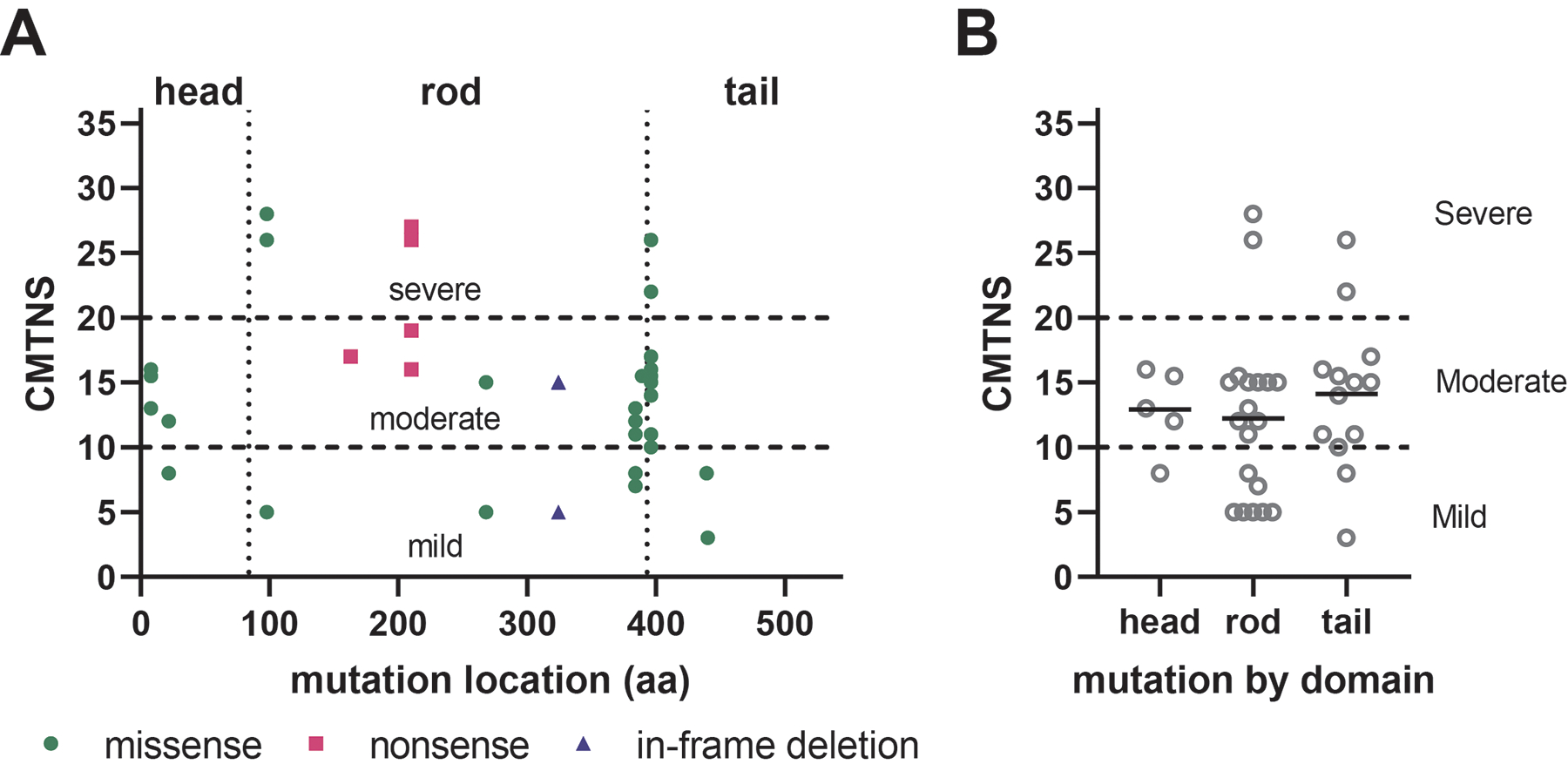
Charcot-Marie-Tooth disease (CMT) is one of the most common inherited neurological disorders and can be caused by mutations in over 100 different genes. One of the causative genes is NEFL on chromosome 8 which encodes neurofilament light protein (NEFL), one of five proteins that co-assemble to form neurofilaments. At least 34 different CMT-causing mutations in NEFL have been reported which span the head, rod, and tail domains of the protein. The majority of these mutations are inherited dominantly, but some are inherited recessively. The resulting disease is classified variably in clinical reports based on electrodiagnostic studies as either axonal (type 2; CMT2E), demyelinating (type 1; CMT1F), or a form intermediate between the two (dominant intermediate; DI-CMTG). In this article, we first present a brief introduction to CMT and neurofilaments. We then collate and analyze the data from the clinical literature on the disease classification, age of onset and electrodiagnostic test results for the various mutations. We find that mutations in the head, rod, and tail domains can all cause disease with early onset and profound neurological impairment, with a trend toward greater severity for head domain mutations. We also find that the disease classification does not correlate with specific mutation or domain. In fact, different individuals with the same mutation can be classified as having axonal, demyelinating, or dominant intermediate forms of the disease. This suggests that the classification of the disease as CMT2E, CMT1F or DI-CMTG has more to do with variable disease presentation than to differences in the underlying disease mechanism, which is most likely primarily axonal in all cases.
Keywords: CMT1F; CMT2E; Charcot-Marie-Tooth disease Type 1F; Charcot-Marie-Tooth disease Type 2E; NEFL; neurofilament.
© 2021 Wiley Periodicals LLC.
Conflict of interest statement
CONFLICT OF INTEREST
None of the authors has any conflict of interest to disclose.
Figures
References
-
- Abe A, Numakura C, Saito K, Koide H, Oka N, Honma A, Kishikawa Y and Hayasaka K. 2009. Neurofilament light chain polypeptide gene mutations in Charcot-Marie-Tooth disease: nonsense mutation probably causes a recessive phenotype. J Hum Genet 54(2):94–7. - PubMed
-
- Agrawal PB, Joshi M, Marinakis NS, Schmitz-Abe K, Ciarlini PD, Sargent JC, Markianos K, De Girolami U, Chad DA and Beggs AH. 2014. Expanding the phenotype associated with the NEFL mutation: neuromuscular disease in a family with overlapping myopathic and neurogenic findings. JAMA Neurol 71(11):1413–20. - PMC - PubMed
-
- Barreto LC, Oliveira FS, Nunes PS, de Franca Costa IM, Garcez CA, Goes GM, Neves EL, de Souza Siqueira Quintans J and de Souza Araujo AA. 2016. Epidemiologic Study of Charcot-Marie-Tooth Disease: A Systematic Review. Neuroepidemiology 46(3):157–65. - PubMed
Publication types
MeSH terms
Substances
Grants and funding
LinkOut - more resources
Full Text Sources
Other Literature Sources
Medical
