


Automatic detection of coronavirus disease (COVID-19) using X-ray images and deep convolutional neural networks
- PMID: 33994847
- PMCID: PMC8106971
- DOI: 10.1007/s10044-021-00984-y
Automatic detection of coronavirus disease (COVID-19) using X-ray images and deep convolutional neural networks
Abstract
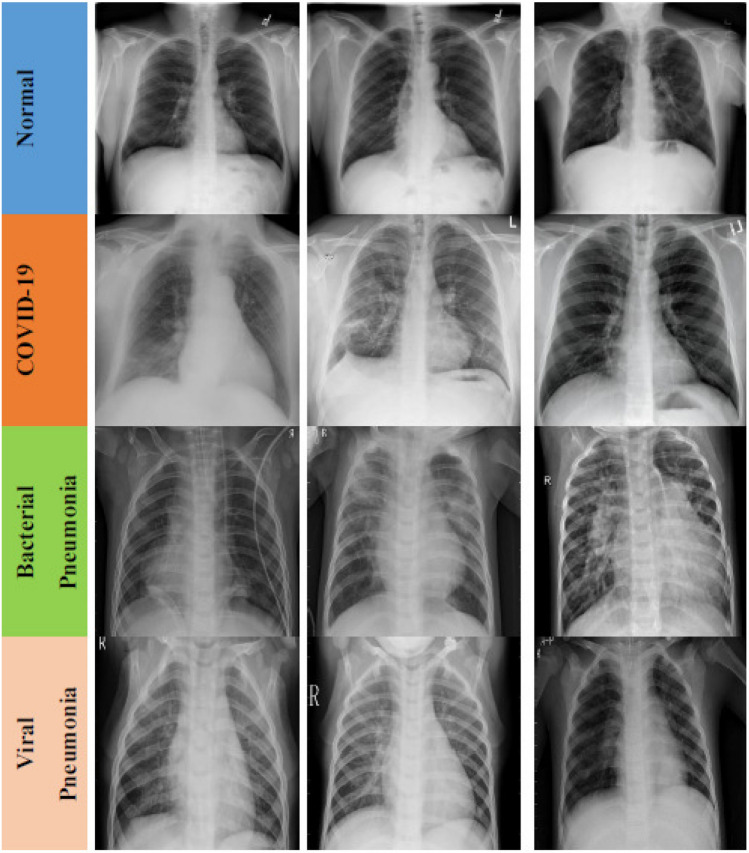
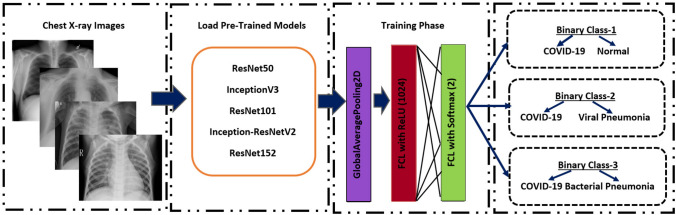
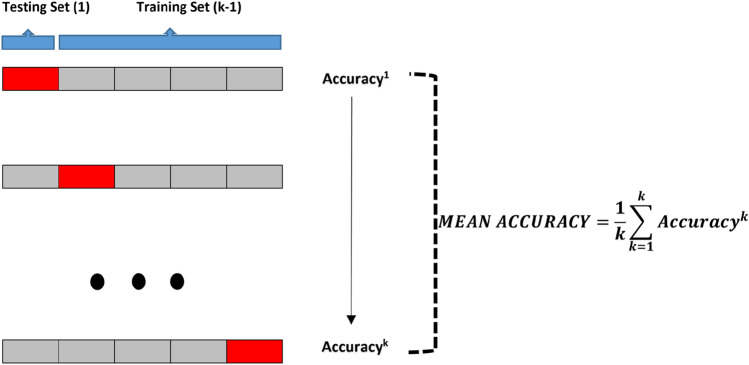
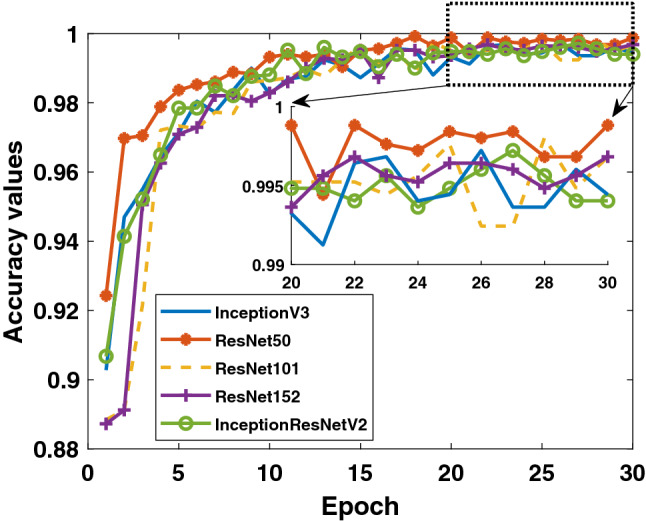
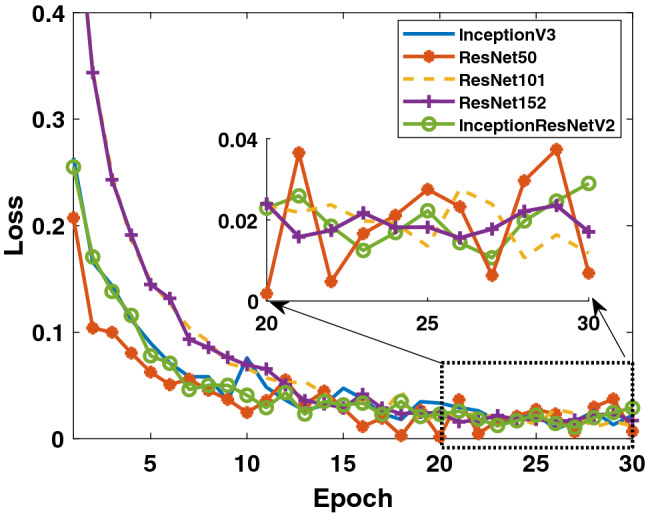
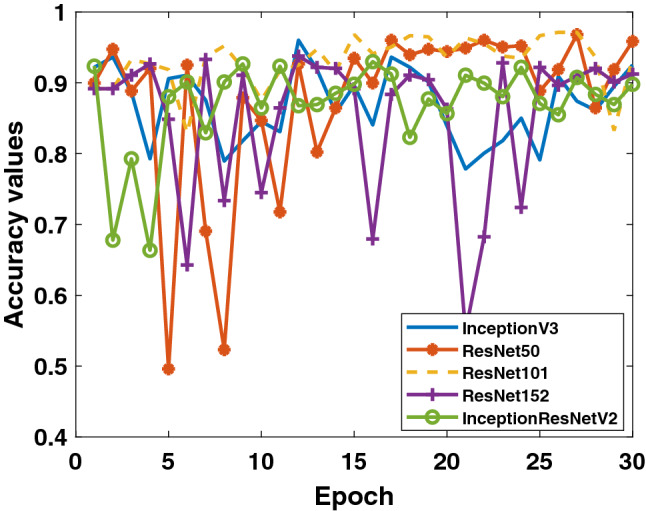
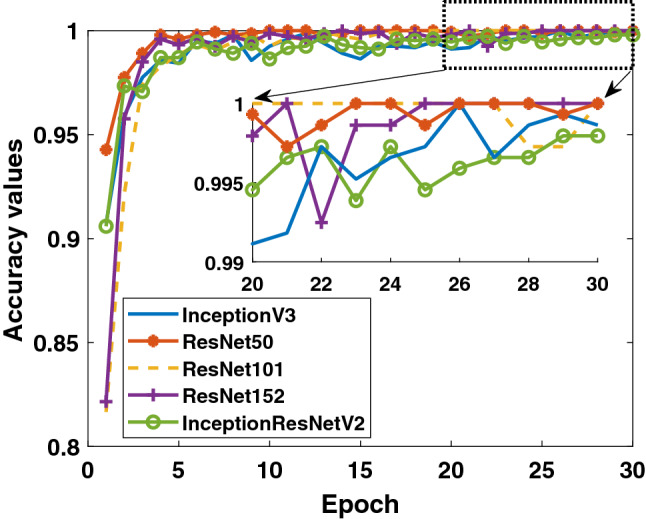
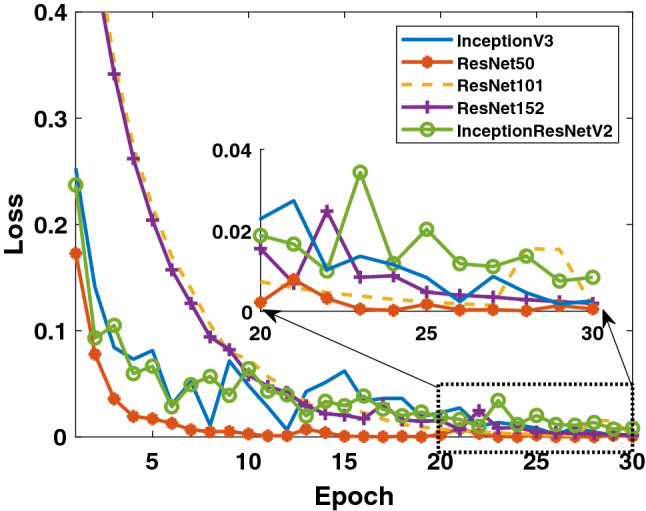
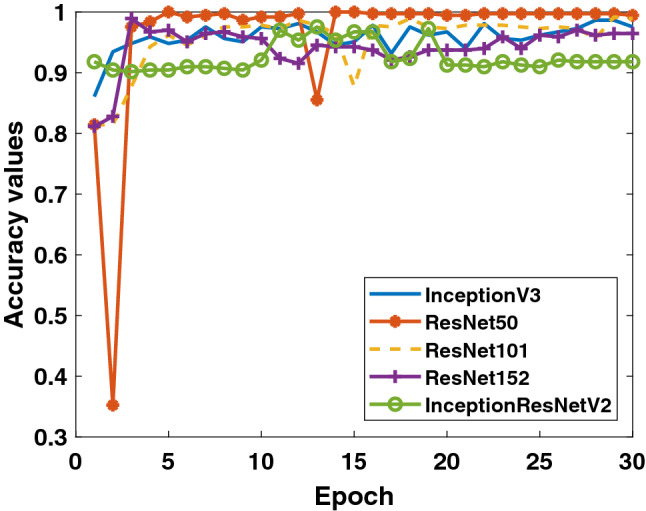
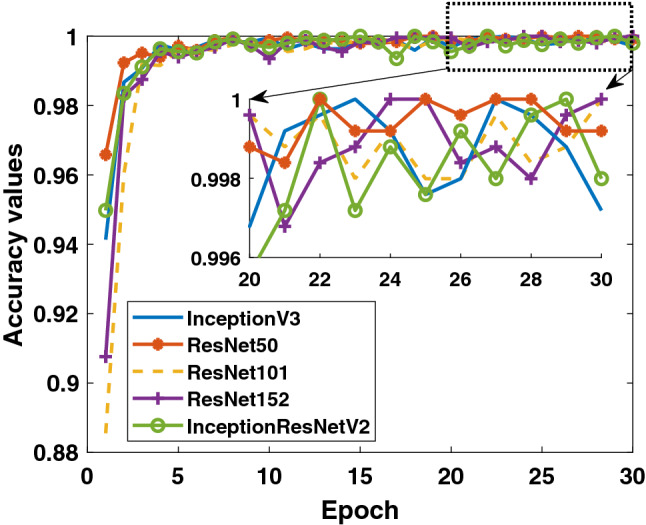
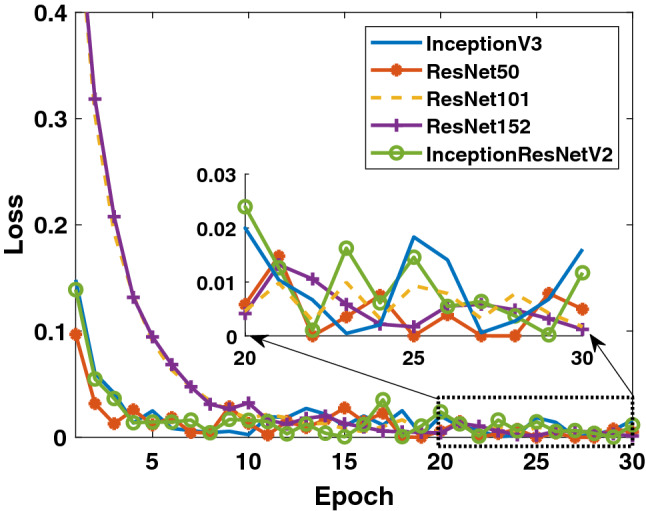
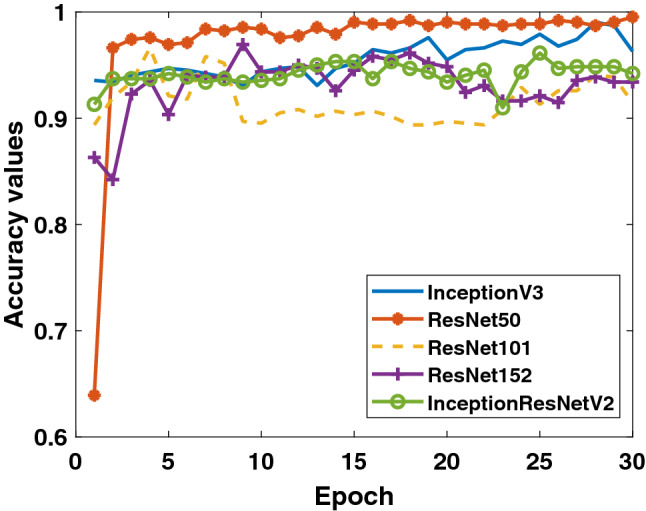
The 2019 novel coronavirus disease (COVID-19), with a starting point in China, has spread rapidly among people living in other countries and is approaching approximately 101,917,147 cases worldwide according to the statistics of World Health Organization. There are a limited number of COVID-19 test kits available in hospitals due to the increasing cases daily. Therefore, it is necessary to implement an automatic detection system as a quick alternative diagnosis option to prevent COVID-19 spreading among people. In this study, five pre-trained convolutional neural network-based models (ResNet50, ResNet101, ResNet152, InceptionV3 and Inception-ResNetV2) have been proposed for the detection of coronavirus pneumonia-infected patient using chest X-ray radiographs. We have implemented three different binary classifications with four classes (COVID-19, normal (healthy), viral pneumonia and bacterial pneumonia) by using five-fold cross-validation. Considering the performance results obtained, it has been seen that the pre-trained ResNet50 model provides the highest classification performance (96.1% accuracy for Dataset-1, 99.5% accuracy for Dataset-2 and 99.7% accuracy for Dataset-3) among other four used models.
Keywords: Bacterial pneumonia; Chest X-ray radiographs; Convolutional neural network; Coronavirus; Deep transfer learning; Viral pneumonia.
© The Author(s), under exclusive licence to Springer-Verlag London Ltd., part of Springer Nature 2021.
Conflict of interest statement
Conflicts of interestThe authors declare that they have no conflict of interest.
Figures
References
-
- Yan L, Zhang H-T, Xiao Y, Wang M, Sun C, Liang J et al (2020) Prediction of criticality in patients with severe COVID-19 infection using three clinical features: a machine learning-based prognostic model with clinical data in Wuhan. medRxiv 2020.02.27.20028027
-
- Coronavirus (2020) World Health Organization. https://www.who.int/health-topics/coronavirus
-
- McKeever A (2020) Here’s what coronavirus does to the body. National geographic. https://www.nationalgeographic.com/science/2020/02/here-is-what-coronavi...
LinkOut - more resources
Full Text Sources
Other Literature Sources