


Posterior Reversible Leukoencephalopathy Syndrome in a Patient after Acute COVID-19 Infection
- PMID: 33996162
- PMCID: PMC8096577
- DOI: 10.1155/2021/5564802
Posterior Reversible Leukoencephalopathy Syndrome in a Patient after Acute COVID-19 Infection
Abstract
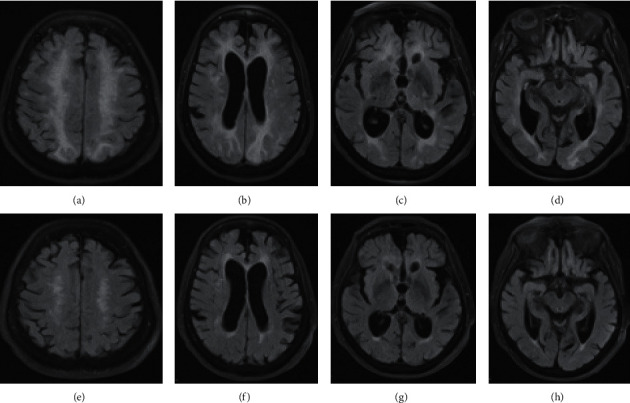
The SARS-CoV-2 infection affects numerous organs, including the central nervous system. The neuroinvasive abilities and neuroinflammation may lead to short- and long-term neurological manifestations. Among neurological disorders associated with SARS-CoV-2 infection, posterior reversible encephalopathy syndrome (PRES) has been described in a few case-based observational studies during the acute phase of COVID-19 hospitalization. We present a case of a patient who developed seizures and PRES after recovering from an acute severe COVID-19 infection. A 90-year-old African American female with multiple comorbidities and a severe COVID-19 infection was discharged home in stable condition after two weeks of hospitalization. A week later, she developed new-onset generalized tonic-clonic seizures requiring readmission to the hospital. The patient's clinical course and brain imaging supported PRES. Her mentation returned to baseline with supportive care and anticonvulsant treatment. Follow-up brain MRI four months later demonstrated resolution of FLAIR signal abnormalities confirming PRES. SARS-CoV-2 insult on the cerebrovascular endothelial cells likely continued and despite the clinical recovery eventually resulted in PRES. We believe that this is the first case describing the presentation of PRES after recovery from severe acute COVID-19 infection.
Copyright © 2021 Ketino Kobaidze et al.
Conflict of interest statement
The authors declare that they have no conflicts of interest.
Figures
References
Publication types
LinkOut - more resources
Full Text Sources
Miscellaneous
