. 2021 Jun 30;49(3):1251-1263.
doi: 10.1042/BST20200861.

Links between the unfolded protein response and the DNA damage response in hypoxia: a systematic review

Affiliations

Links between the unfolded protein response and the DNA damage response in hypoxia: a systematic review

Hannah Bolland et al. Biochem Soc Trans. .

Abstract

Hypoxia is a feature of most solid tumours and predicts for poor prognosis. In radiobiological hypoxia (<0.1% O2) cells become up to three times more resistant to radiation. The biological response to radiobiological hypoxia is one of few physiologically relevant stresses that activates both the unfolded protein and DNA damage responses (UPR and DDR). Links between these pathways have been identified in studies carried out in normoxia. Based in part on these previous studies and recent work from our laboratory, we hypothesised that the biological response to hypoxia likely includes overlap between the DDR and UPR. While inhibition of the DDR is a recognised strategy for improving radiation response, the possibility of achieving this through targeting the UPR has not been realised. We carried out a systematic review to identify links between the DDR and UPR, in human cell lines exposed to <2% O2. Following PRISMA guidance, literature from January 2010 to October 2020 were retrieved via Ovid MEDLINE and evaluated. A total of 202 studies were included. LAMP3, ULK1, TRIB3, CHOP, NOXA, NORAD, SIAH1/2, DYRK2, HIPK2, CREB, NUPR1, JMJD2B, NRF2, GSK-3B, GADD45a, GADD45b, STAU1, C-SRC, HK2, CAV1, CypB, CLU, IGFBP-3 and SP1 were highlighted as potential links between the hypoxic DDR and UPR. Overall, we identified very few studies which demonstrate a molecular link between the DDR and UPR in hypoxia, however, it is clear that many of the molecules highlighted warrant further investigation under radiobiological hypoxia as these may include novel therapeutic targets to improve radiotherapy response.

Keywords: DDR; ER stress; UPR; hypoxia; radiation; replication stress.


Conflict of interest statement

The authors declare that there are no competing interests associated with the manuscript.

Figures
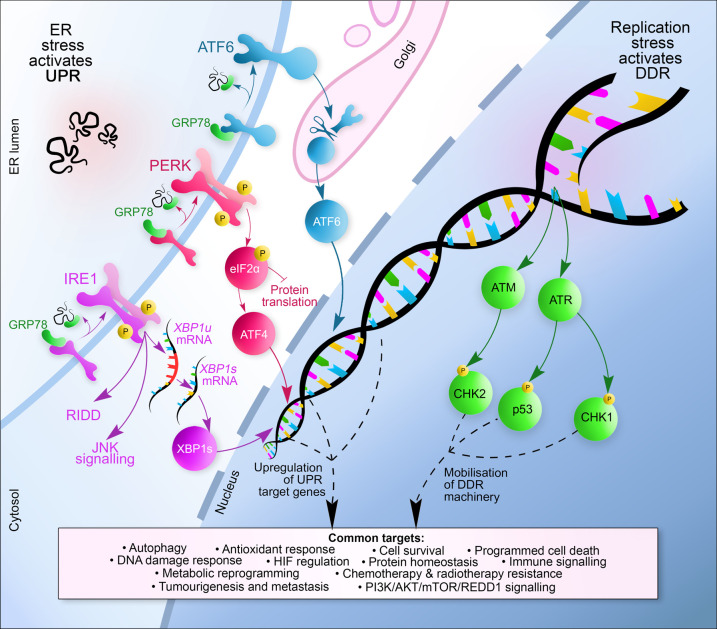
Figure 1.
Figure 1.. Overview of the hypoxia activated UPR and DDR pathways.
The UPR sensors, PERK, IRE1 and ATF4 are held in an inactive state via the binding of GRP78, a chaperone protein and the master regulator of the UPR. Hypoxia-induced ER stress leads to the dissociation of GRP78 from these sensors as GRP78 detects and binds to unfolded proteins. Following activation, PERK phosphorylates eIF2α to inhibit protein synthesis and allows for the transcription of ATF4 which leads to the transcriptional induction of genes associated with apoptosis, autophagy and amino acid metabolism. Activation of IRE1 followed by autophosphorylation activates its RNase activity leading to the alternative splicing of XBP1u to form XBP1s, a transcription factor that controls the transcription of genes encoding proteins involved in protein folding. ATF6 is transported to the Golgi upon activation where it is processed by S1P and S2P generating a cytosolic fragment (ATF6f) which up-regulates the transcription of genes involved in ERAD. Simultaneously, in the cells in S-phase, hypoxia leads to replication stress, manifested by stalled replication forks, decreased origin firing and an accumulation of single-stranded DNA. Hypoxia-induced replication stress activates the DDR pathway which includes both the ATM and ATR kinases. ATM and ATR phosphorylate their target transducers including, but not limited to, Chk1, Chk2 and p53. The transducers then up-regulate effectors, including genes that play a role in cell cycle arrest, apoptosis and DNA repair. The biological endpoints of UPR and DDR signalling are shared and focus on resolving the stress, allowing the cell time to repair and recover or, in the case of extreme stress and irreparable damage inducing cell death.
Figure 2.
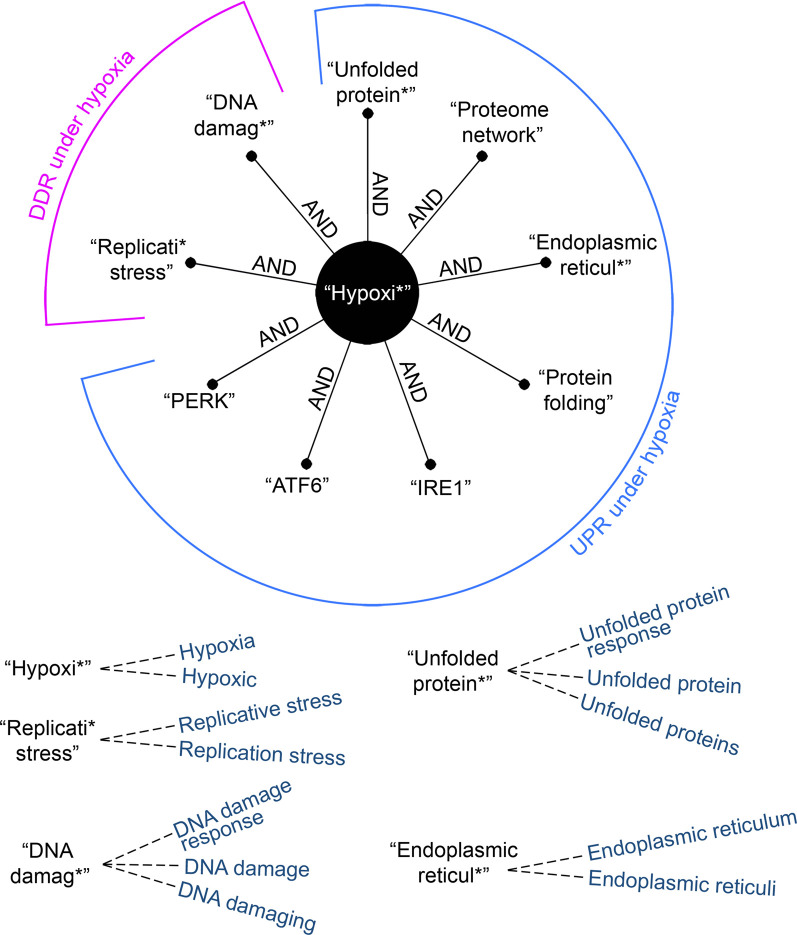
Figure 2.. Boolean search strategy used.
Relevant and closely related terms were determined and appropriately truncated to account for derivational affixes.
Figure 3.
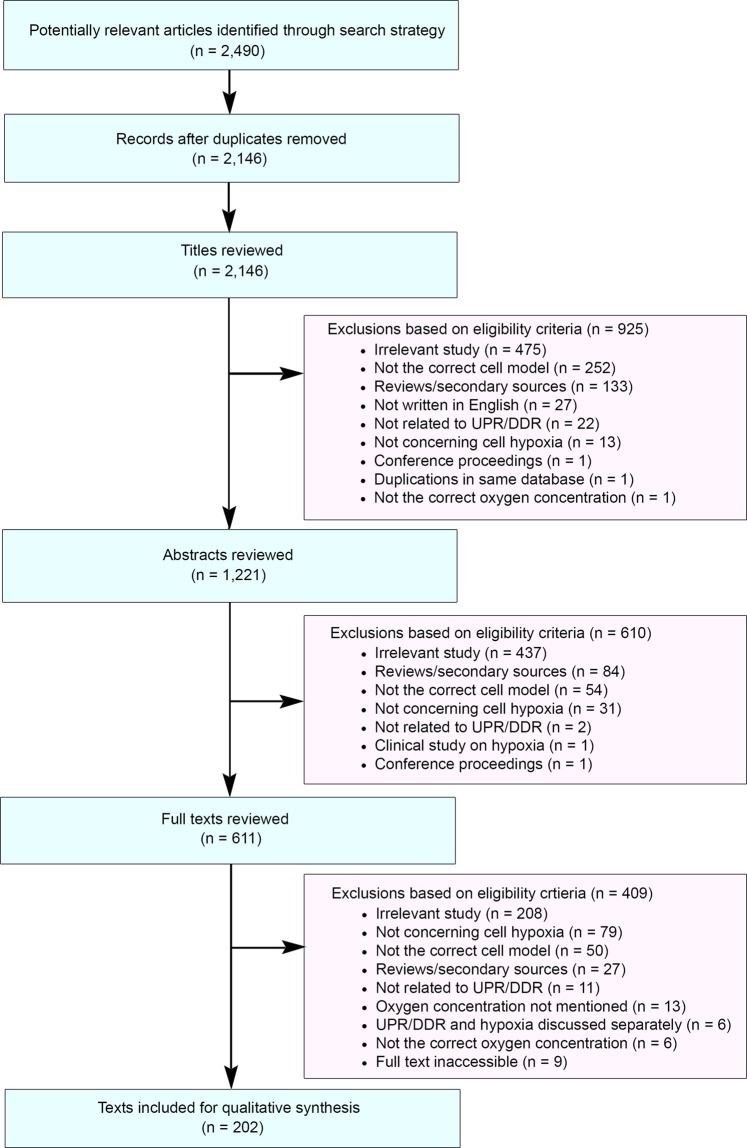
Figure 3.. PRISMA flow diagram of the systematic literature exclusion process.
Ovid MEDLINE database was used to identify potentially relevant studies published between January 1, 2010 and October 9, 2020.

References

    1. Vaupel, P. and Harrison, L. (2004) Tumor hypoxia: causative factors, compensatory mechanisms, and cellular response. Oncologist 9, 4–9 10.1634/theoncologist.9-90005-4 - DOI - PubMed
    1. Soni, S. and Padwad, Y.S. (2017) HIF-1 in cancer therapy: two decade long story of a transcription factor. Acta Oncol. 56, 503–515 10.1080/0284186X.2017.1301680 - DOI - PubMed
    1. McKeown, S.R. (2014) Defining normoxia, physoxia and hypoxia in tumours—implications for treatment response. Br. J. Radiol. 87, 20130676 10.1259/bjr.20130676 - DOI - PMC - PubMed
    1. Hammond, E.M., Asselin, M.-C., Forster, D., O'Connor, J.P.B., Senra, J.M. and Williams, K.J. (2014) The meaning, measurement and modification of hypoxia in the laboratory and the clinic. Clin. Oncol. 26, 277–288 10.1016/j.clon.2014.02.002 - DOI - PubMed
    1. Semenza, G.L. (2012) Hypoxia-inducible factors in physiology and medicine. Cell 148, 399–408 10.1016/j.cell.2012.01.021 - DOI - PMC - PubMed

Publication types

Substances