


A human importin-β-related disorder: Syndromic thoracic aortic aneurysm caused by bi-allelic loss-of-function variants in IPO8
- PMID: 34010605
- PMCID: PMC8206384
- DOI: 10.1016/j.ajhg.2021.04.019
A human importin-β-related disorder: Syndromic thoracic aortic aneurysm caused by bi-allelic loss-of-function variants in IPO8
Abstract
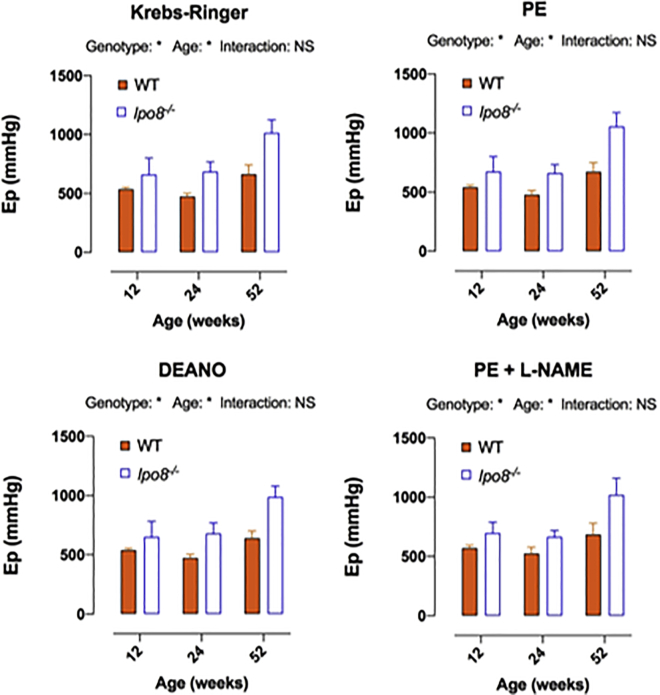
Importin 8, encoded by IPO8, is a ubiquitously expressed member of the importin-β protein family that translocates cargo molecules such as proteins, RNAs, and ribonucleoprotein complexes into the nucleus in a RanGTP-dependent manner. Current knowledge of the cargoes of importin 8 is limited, but TGF-β signaling components such as SMAD1-4 have been suggested to be among them. Here, we report that bi-allelic loss-of-function variants in IPO8 cause a syndromic form of thoracic aortic aneurysm (TAA) with clinical overlap with Loeys-Dietz and Shprintzen-Goldberg syndromes. Seven individuals from six unrelated families showed a consistent phenotype with early-onset TAA, motor developmental delay, connective tissue findings, and craniofacial dysmorphic features. A C57BL/6N Ipo8 knockout mouse model recapitulates TAA development from 8-12 weeks onward in both sexes but most prominently shows ascending aorta dilatation with a propensity for dissection in males. Compliance assays suggest augmented passive stiffness of the ascending aorta in male Ipo8-/- mice throughout life. Immunohistological investigation of mutant aortic walls reveals elastic fiber disorganization and fragmentation along with a signature of increased TGF-β signaling, as evidenced by nuclear pSmad2 accumulation. RT-qPCR assays of the aortic wall in male Ipo8-/- mice demonstrate decreased Smad6/7 and increased Mmp2 and Ccn2 (Ctgf) expression, reinforcing a role for dysregulation of the TGF-β signaling pathway in TAA development. Because importin 8 is the most downstream TGF-β-related effector implicated in TAA pathogenesis so far, it offers opportunities for future mechanistic studies and represents a candidate drug target for TAA.
Keywords: Loeys-Dietz syndrome; Shprintzen-Goldberg syndrome; TGF-beta; importin 8; knockout mouse model; thoracic aortic aneurysm.
Copyright © 2021 American Society of Human Genetics. Published by Elsevier Inc. All rights reserved.
Conflict of interest statement
The Department of Molecular and Human Genetics at Baylor College of Medicine receives revenue from clinical genetic testing conducted at Baylor Genetics Laboratories. A.B. is an employee of GeneDx, Inc.
Figures




References
-
- Verstraeten A., Luyckx I., Loeys B. Aetiology and management of hereditary aortopathy. Nat. Rev. Cardiol. 2017;14:197–208. - PubMed
-
- Dietz H.C., Cutting G.R., Pyeritz R.E., Maslen C.L., Sakai L.Y., Corson G.M., Puffenberger E.G., Hamosh A., Nanthakumar E.J., Curristin S.M. Marfan syndrome caused by a recurrent de novo missense mutation in the fibrillin gene. Nature. 1991;352:337–339. - PubMed
-
- Loeys B.L., Chen J., Neptune E.R., Judge D.P., Podowski M., Holm T., Meyers J., Leitch C.C., Katsanis N., Sharifi N. A syndrome of altered cardiovascular, craniofacial, neurocognitive and skeletal development caused by mutations in TGFBR1 or TGFBR2. Nat. Genet. 2005;37:275–281. - PubMed
-
- Cannaerts E., Kempers M., Maugeri A., Marcelis C., Gardeitchik T., Richer J., Micha D., Beauchesne L., Timmermans J., Vermeersch P. Novel pathogenic SMAD2 variants in five families with arterial aneurysm and dissection: further delineation of the phenotype. J. Med. Genet. 2019;56:220–227. - PubMed
Publication types
MeSH terms
Substances
Grants and funding
LinkOut - more resources
Full Text Sources
Other Literature Sources
Molecular Biology Databases
Miscellaneous
