


Neurodegenerative diseases: a hotbed for splicing defects and the potential therapies
- PMID: 34016162
- PMCID: PMC8136212
- DOI: 10.1186/s40035-021-00240-7
Neurodegenerative diseases: a hotbed for splicing defects and the potential therapies
Erratum in
-
Correction to: Neurodegenerative diseases: a hotbed for splicing defects and the potential therapies.Transl Neurodegener. 2021 Oct 25;10(1):41. doi: 10.1186/s40035-021-00267-w. Transl Neurodegener. 2021. PMID: 34696812 Free PMC article. No abstract available.
Abstract
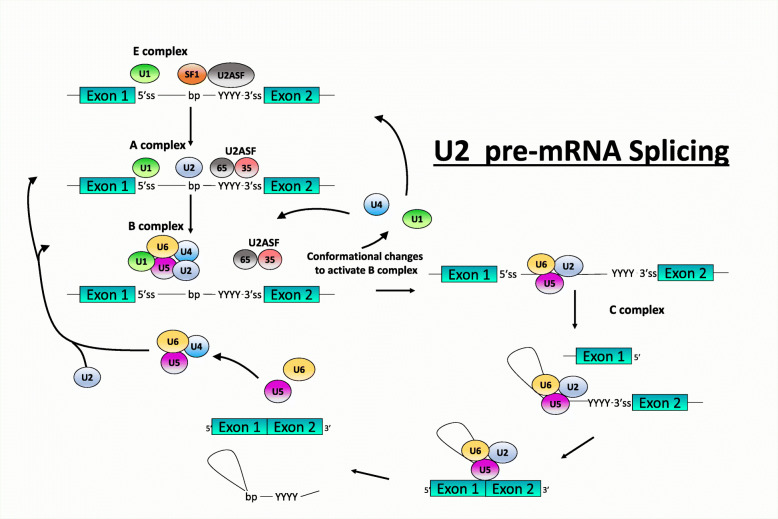
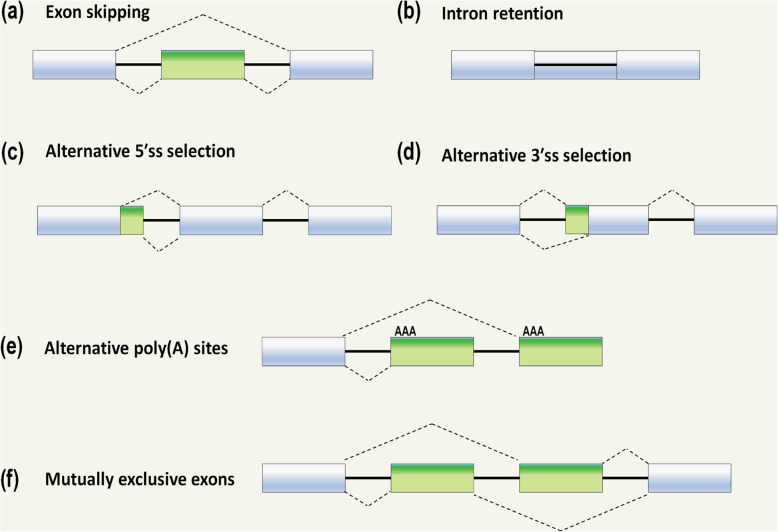
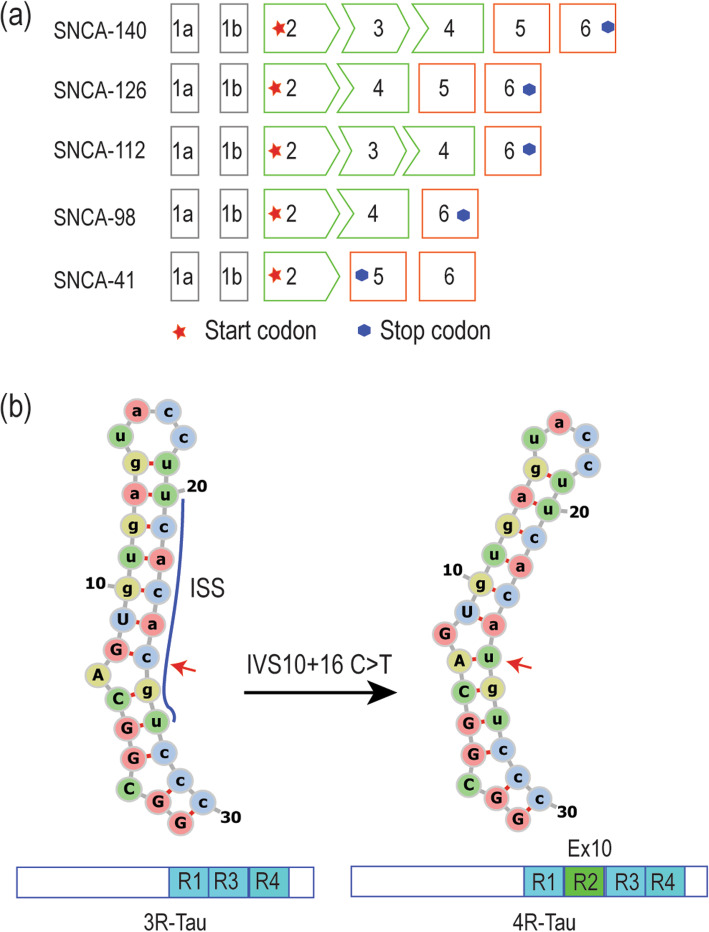
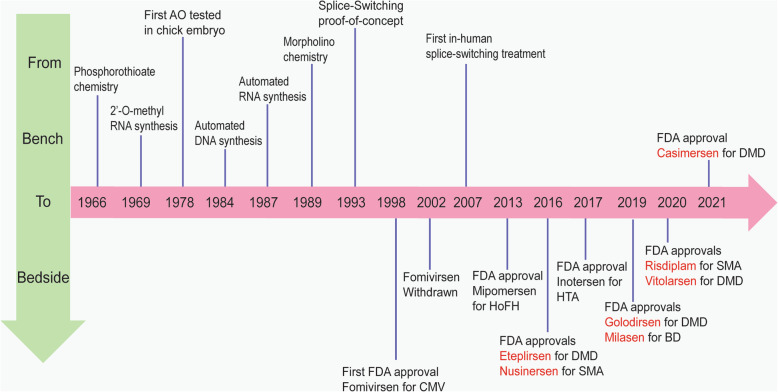
Precursor messenger RNA (pre-mRNA) splicing is a fundamental step in eukaryotic gene expression that systematically removes non-coding regions (introns) and ligates coding regions (exons) into a continuous message (mature mRNA). This process is highly regulated and can be highly flexible through a process known as alternative splicing, which allows for several transcripts to arise from a single gene, thereby greatly increasing genetic plasticity and the diversity of proteome. Alternative splicing is particularly prevalent in neuronal cells, where the splicing patterns are continuously changing to maintain cellular homeostasis and promote neurogenesis, migration and synaptic function. The continuous changes in splicing patterns and a high demand on many cis- and trans-splicing factors contribute to the susceptibility of neuronal tissues to splicing defects. The resultant neurodegenerative diseases are a large group of disorders defined by a gradual loss of neurons and a progressive impairment in neuronal function. Several of the most common neurodegenerative diseases involve some form of splicing defect(s), such as Alzheimer's disease, Parkinson's disease and spinal muscular atrophy. Our growing understanding of RNA splicing has led to the explosion of research in the field of splice-switching antisense oligonucleotide therapeutics. Here we review our current understanding of the effects alternative splicing has on neuronal differentiation, neuronal migration, synaptic maturation and regulation, as well as the impact on neurodegenerative diseases. We will also review the current landscape of splice-switching antisense oligonucleotides as a therapeutic strategy for a number of common neurodegenerative disorders.
Keywords: Alternative splicing; Alzheimer’s disease; Antisense oligonucleotides; Disease-modifying treatment; Neurodegenerative diseases; Parkinson’s disease; Splice-switching; Splicing defects.
Conflict of interest statement
SDW is a consultant to Sarepta Therapeutics. He is named as an inventor on patents licensed through the University of Western Australia to Sarepta Therapeutics, and as such is entitled to milestone and royalty payments. DHL, CSM and MATH salaries are partly funded by Sarepta Therapeutics.
Figures
References
Publication types
MeSH terms
Substances
Grants and funding
LinkOut - more resources
Full Text Sources
Other Literature Sources
Medical
