


Fat-Secreted Ceramides Regulate Vascular Redox State and Influence Outcomes in Patients With Cardiovascular Disease
- PMID: 34016263
- PMCID: PMC8141611
- DOI: 10.1016/j.jacc.2021.03.314
Fat-Secreted Ceramides Regulate Vascular Redox State and Influence Outcomes in Patients With Cardiovascular Disease
Abstract
Background: Obesity is associated with increased cardiovascular risk; however, the potential role of dysregulations in the adipose tissue (AT) metabolome is unknown.
Objectives: The aim of this study was to explore the role of dysregulation in the AT metabolome on vascular redox signaling and cardiovascular outcomes.
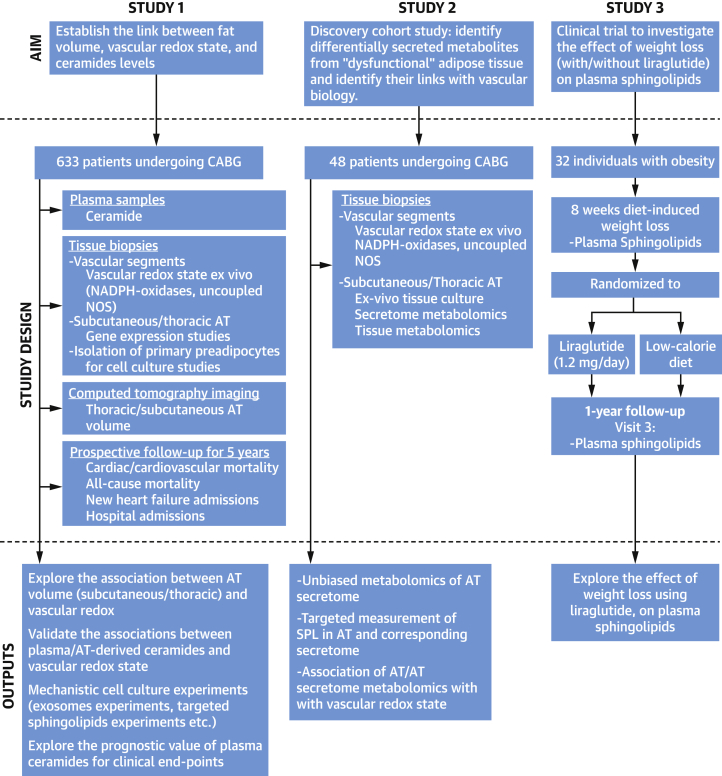
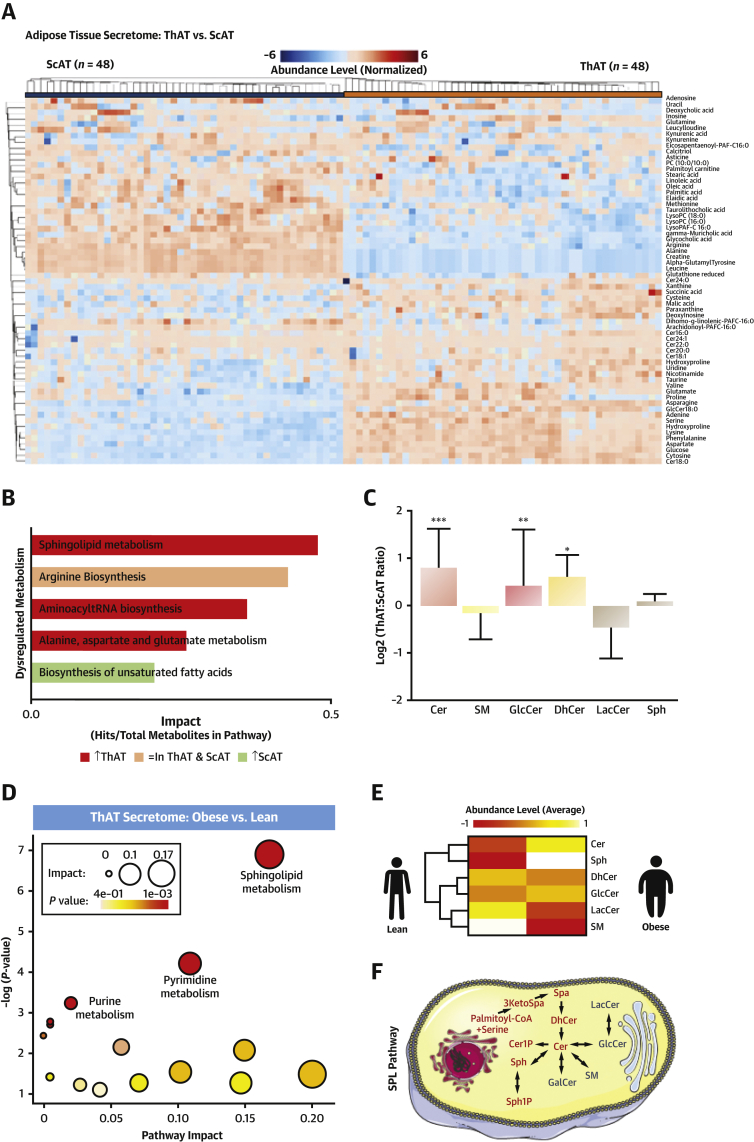
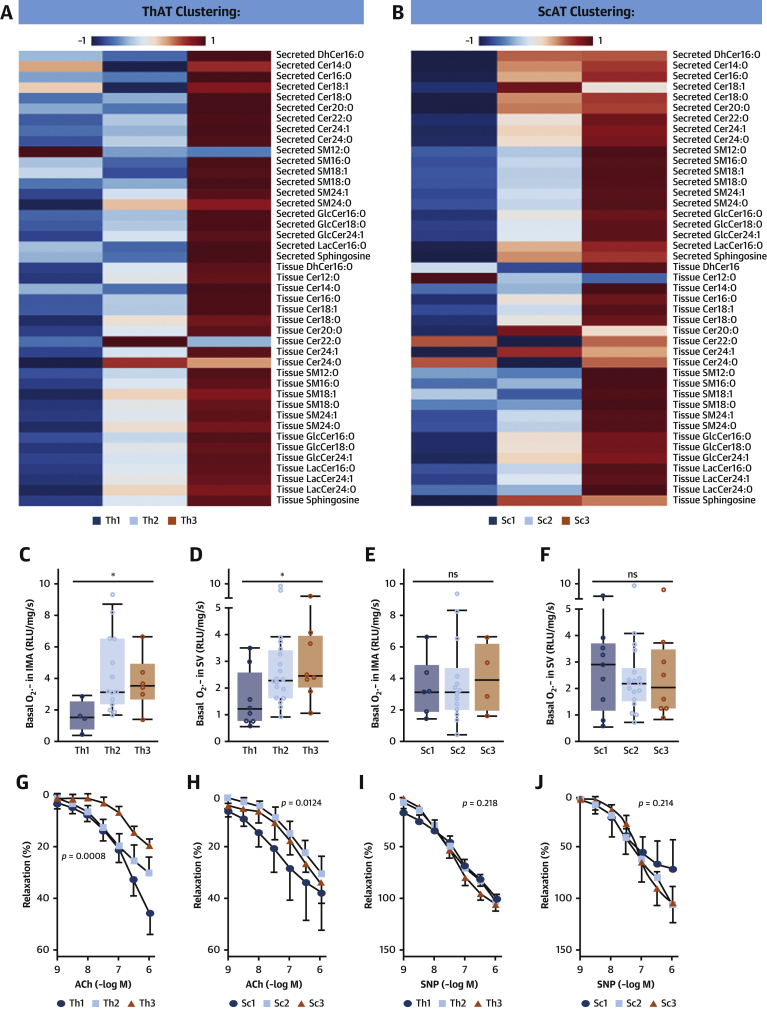
Methods: A screen was conducted for metabolites differentially secreted by thoracic AT (ThAT) and subcutaneous AT in obese patients with atherosclerosis (n = 48), and these metabolites were then linked with dysregulated vascular redox signaling in 633 patients undergoing coronary bypass surgery. The underlying mechanisms were explored in human aortic endothelial cells, and their clinical value was tested against hard clinical endpoints.
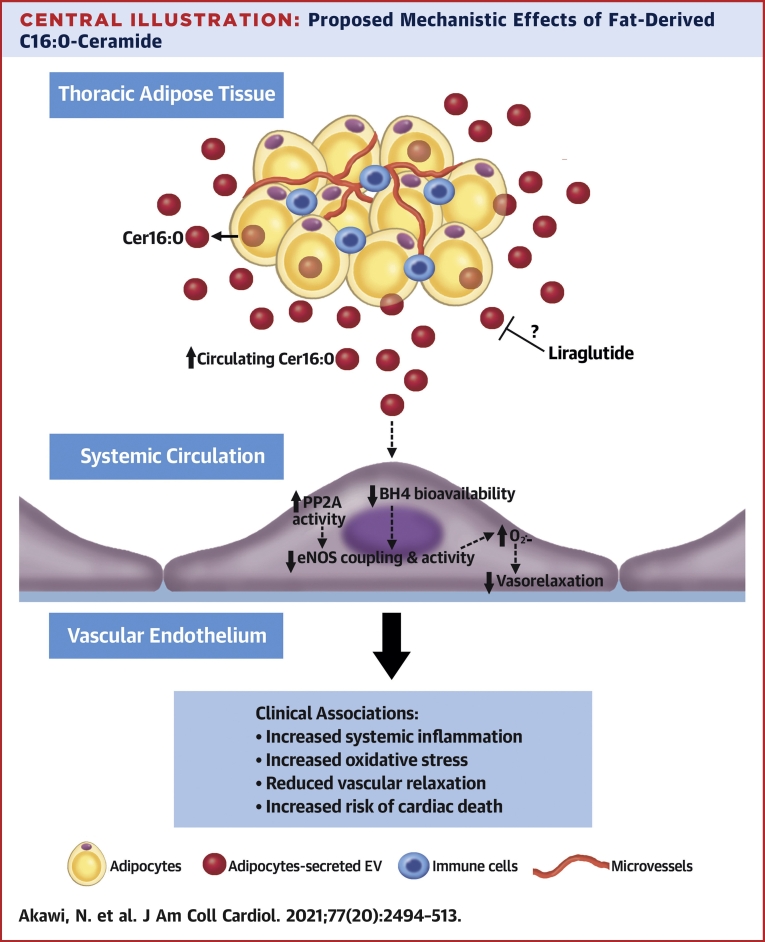
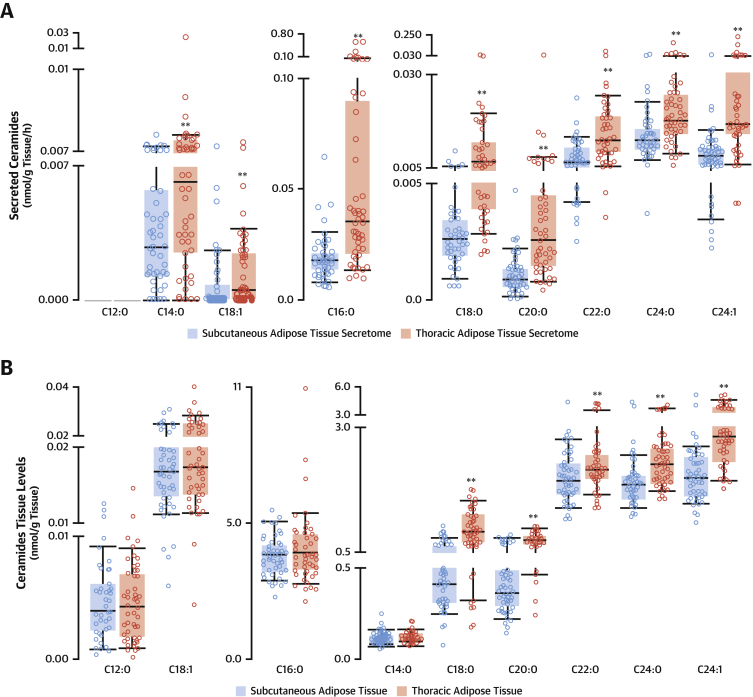
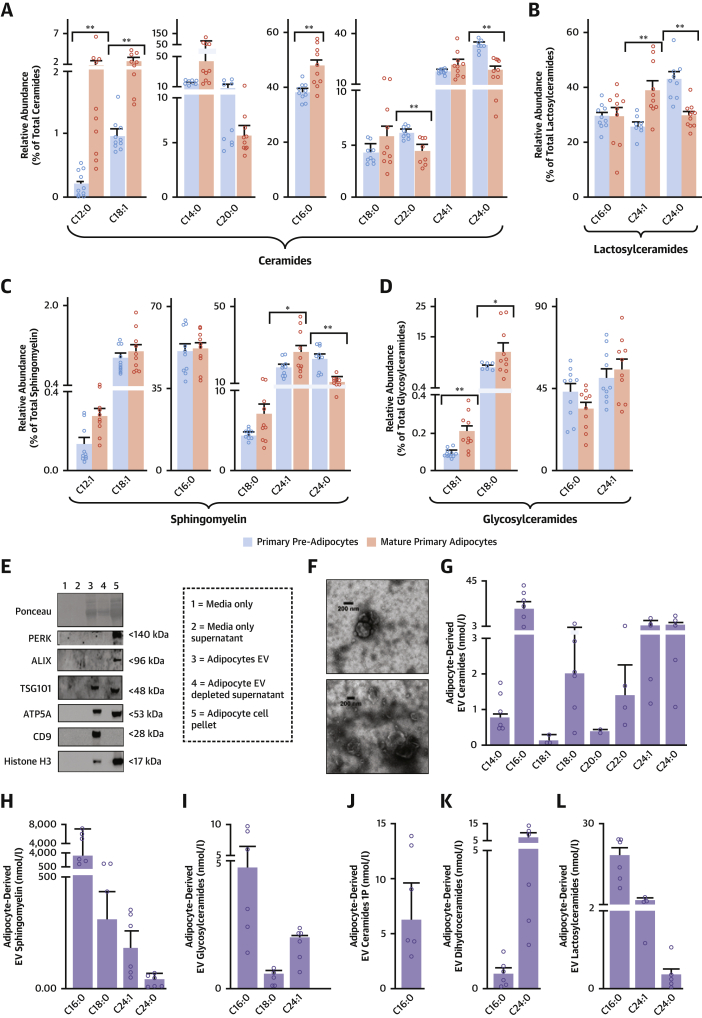
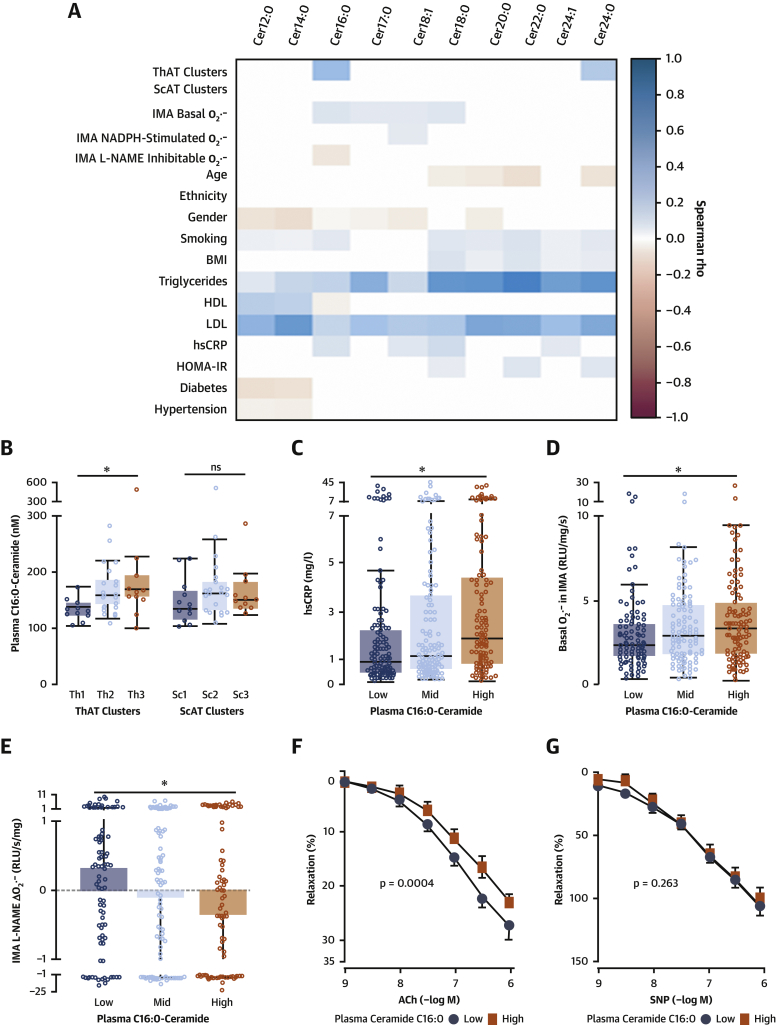
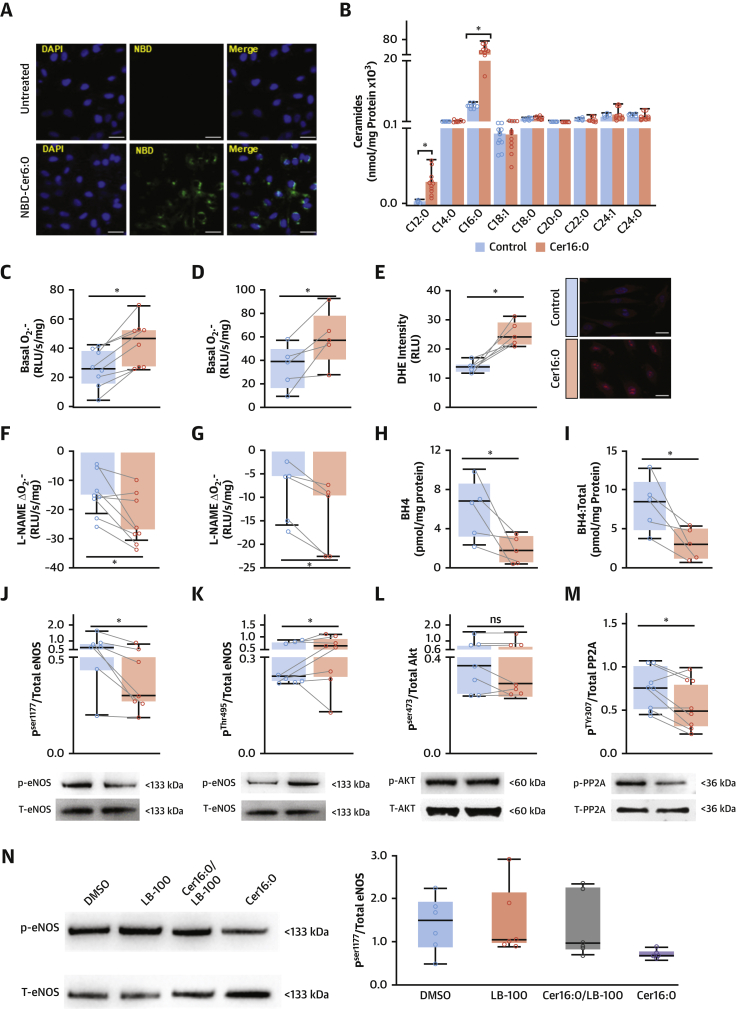
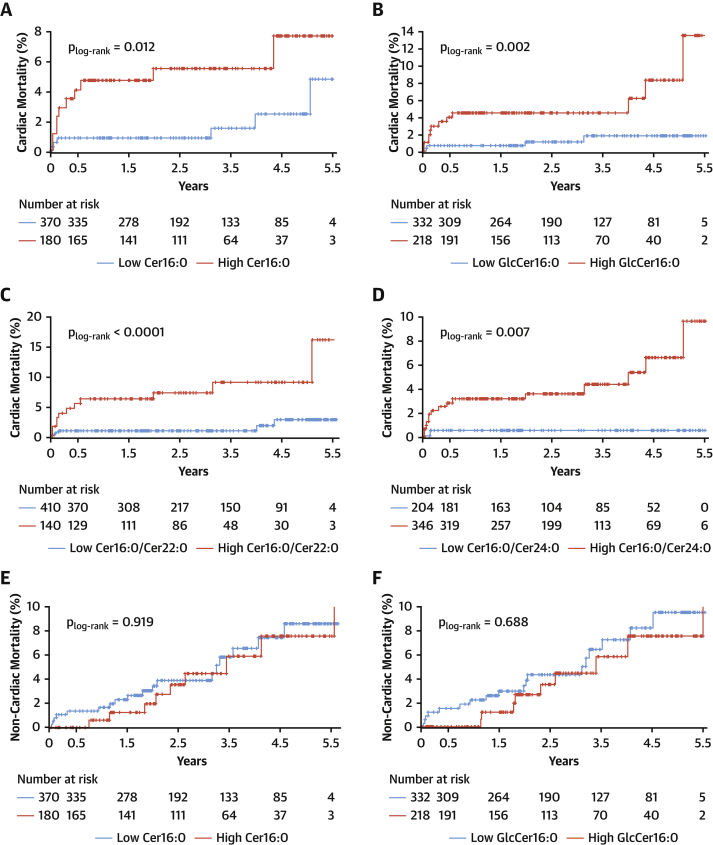
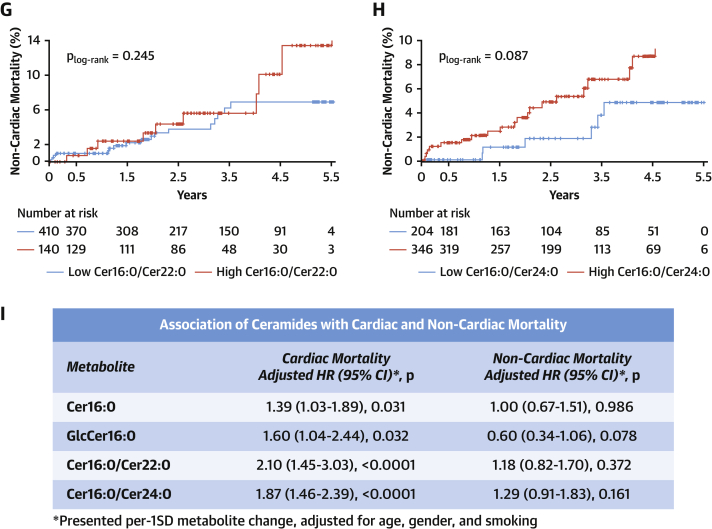
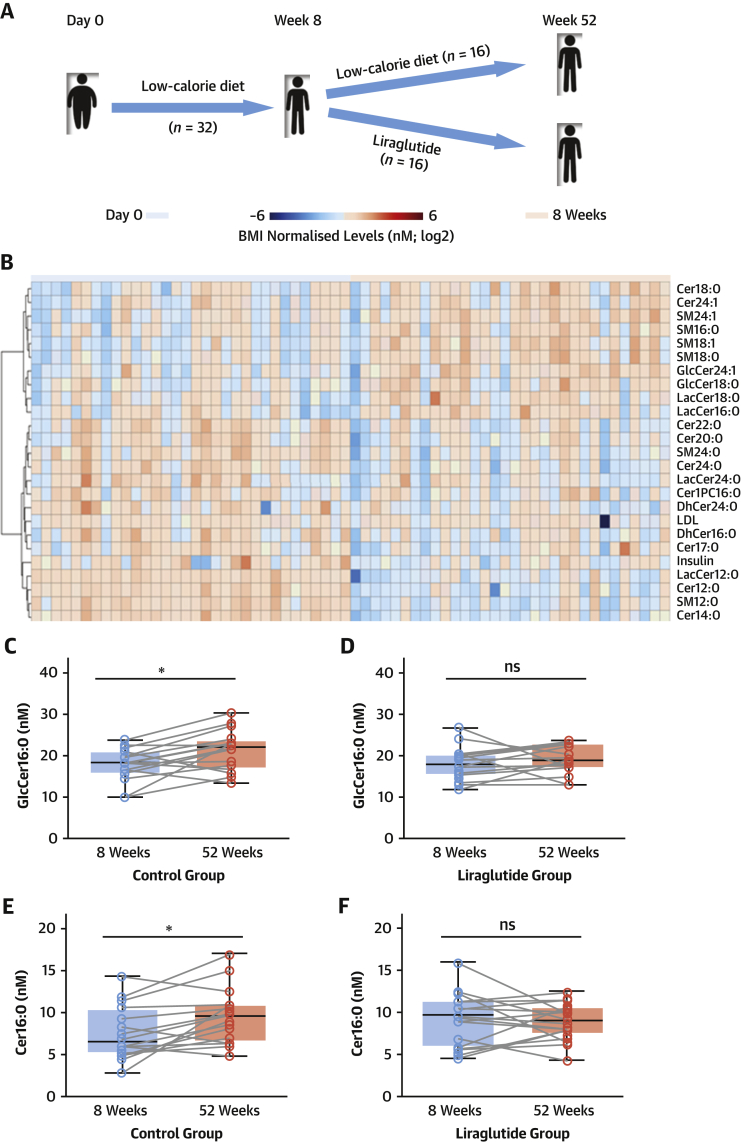
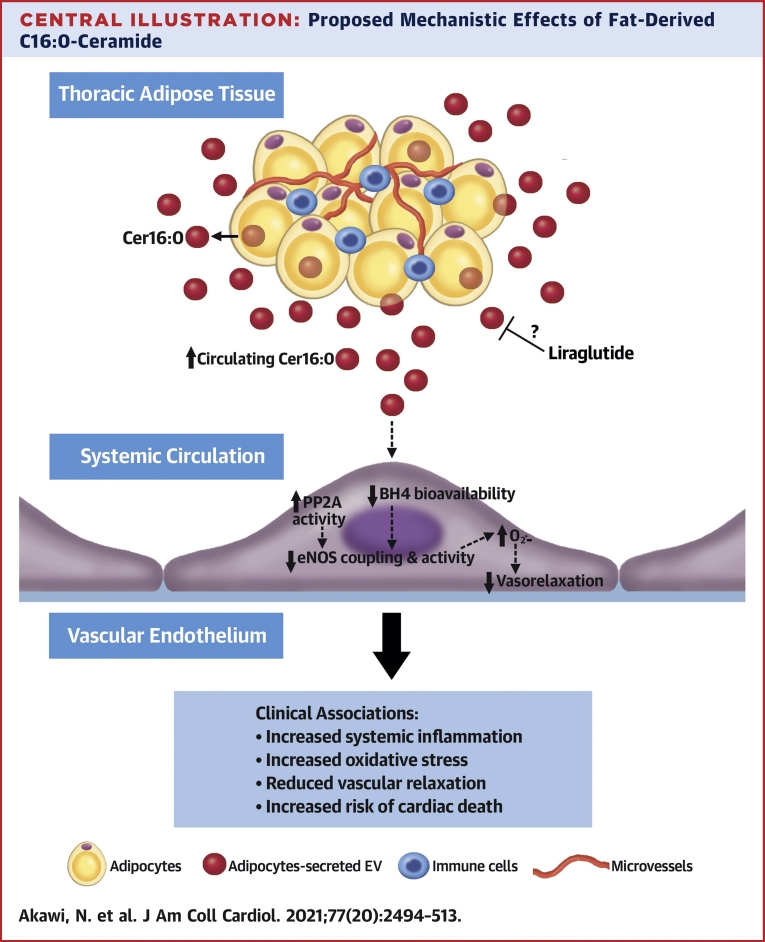
Results: Because ThAT volume was associated significantly with arterial oxidative stress, there were significant differences in sphingolipid secretion between ThAT and subcutaneous AT, with C16:0-ceramide and derivatives being the most abundant species released within adipocyte-derived extracellular vesicles. High ThAT sphingolipid secretion was significantly associated with reduced endothelial nitric oxide bioavailability and increased superoxide generated in human vessels. Circulating C16:0-ceramide correlated positively with ThAT ceramides, dysregulated vascular redox signaling, and increased systemic inflammation in 633 patients with atherosclerosis. Exogenous C16:0-ceramide directly increased superoxide via tetrahydrobiopterin-mediated endothelial nitric oxide synthase uncoupling and dysregulated protein phosphatase 2 in human aortic endothelial cells. High plasma C16:0-ceramide and its glycosylated derivative were independently related with increased risk for cardiac mortality (adjusted hazard ratios: 1.394; 95% confidence interval: 1.030 to 1.886; p = 0.031 for C16:0-ceramide and 1.595; 95% confidence interval: 1.042 to 2.442; p = 0.032 for C16:0-glycosylceramide per 1 SD). In a randomized controlled clinical trial, 1-year treatment of obese patients with the glucagon-like peptide-1 analog liraglutide suppressed plasma C16:0-ceramide and C16:0-glycosylceramide changes compared with control subjects.
Conclusions: These results demonstrate for the first time in humans that AT-derived ceramides are modifiable regulators of vascular redox state in obesity, with a direct impact on cardiac mortality in advanced atherosclerosis. (The Interaction Between Appetite Hormones; NCT02094183).
Keywords: C16:0-ceramide; adipose tissue; cardiovascular disease; metabolomics; sphingolipids; vascular redox state.
Copyright © 2021 The Authors. Published by Elsevier Inc. All rights reserved.
Conflict of interest statement
Funding Support and Author Disclosures This study was supported by the Novo Nordisk Foundation Tripartite Immunometabolism Consortium Award (NNF15CC0018486), the British Heart Foundation (FS/16/15/32047, PG/13/56/30383, RG/17/10/32859 and RG/F/21/110040) and British Heart Foundation Chair award (CH/16/1/32013), British Heart Foundation Centre of Research Excellence award (RG/13/1/30181), the National Institute for Health Research Oxford Biomedical Research Centre, and the Swedish Heart Lung Foundation (HLF 20180290). The authors have reported that they have no relationships relevant to the contents of this paper to disclose.
Figures
Comment in
-
The Role of Adipose Tissue in Cardiovascular Disease: Decoding its Secret Language.J Am Coll Cardiol. 2021 May 25;77(20):2514-2516. doi: 10.1016/j.jacc.2021.04.017. J Am Coll Cardiol. 2021. PMID: 34016264 No abstract available.
References
-
- Margaritis M., Antonopoulos A.S., Digby J. Interactions between vascular wall and perivascular adipose tissue reveal novel roles for adiponectin in the regulation of endothelial nitric oxide synthase function in human vessels. Circulation. 2013;127:2209–2221. - PubMed
-
- Antonopoulos A.S., Margaritis M., Coutinho P. Adiponectin as a link between type 2 diabetes and vascular NADPH oxidase activity in the human arterial wall: the regulatory role of perivascular adipose tissue. Diabetes. 2015;64:2207–2219. - PubMed
-
- Naz S., Gallart-Ayala H., Reinke S.N. Development of a liquid chromatography-high resolution mass spectrometry metabolomics method with high specificity for metabolite identification using all ion fragmentation acquisition. Anal Chem. 2017;89:7933–7942. - PubMed
Publication types
MeSH terms
Substances
Associated data
Grants and funding
LinkOut - more resources
Full Text Sources
Other Literature Sources
Medical
