


Transcriptome profiling analysis of the response to walnut polyphenol extract in Helicobacter pylori-infected cells
- PMID: 34025022
- PMCID: PMC8129982
- DOI: 10.3164/jcbn.20-128
Transcriptome profiling analysis of the response to walnut polyphenol extract in Helicobacter pylori-infected cells
Abstract
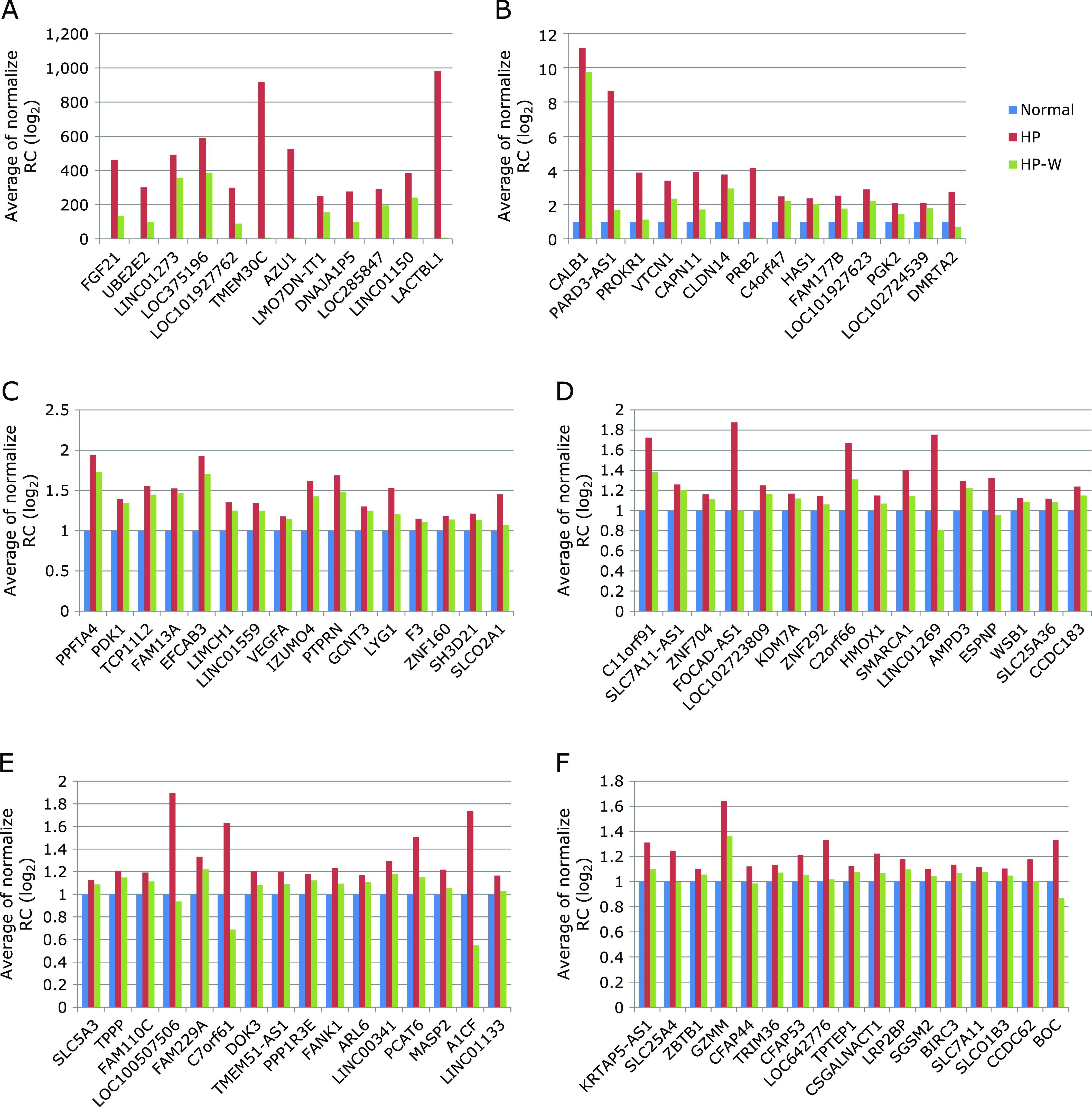
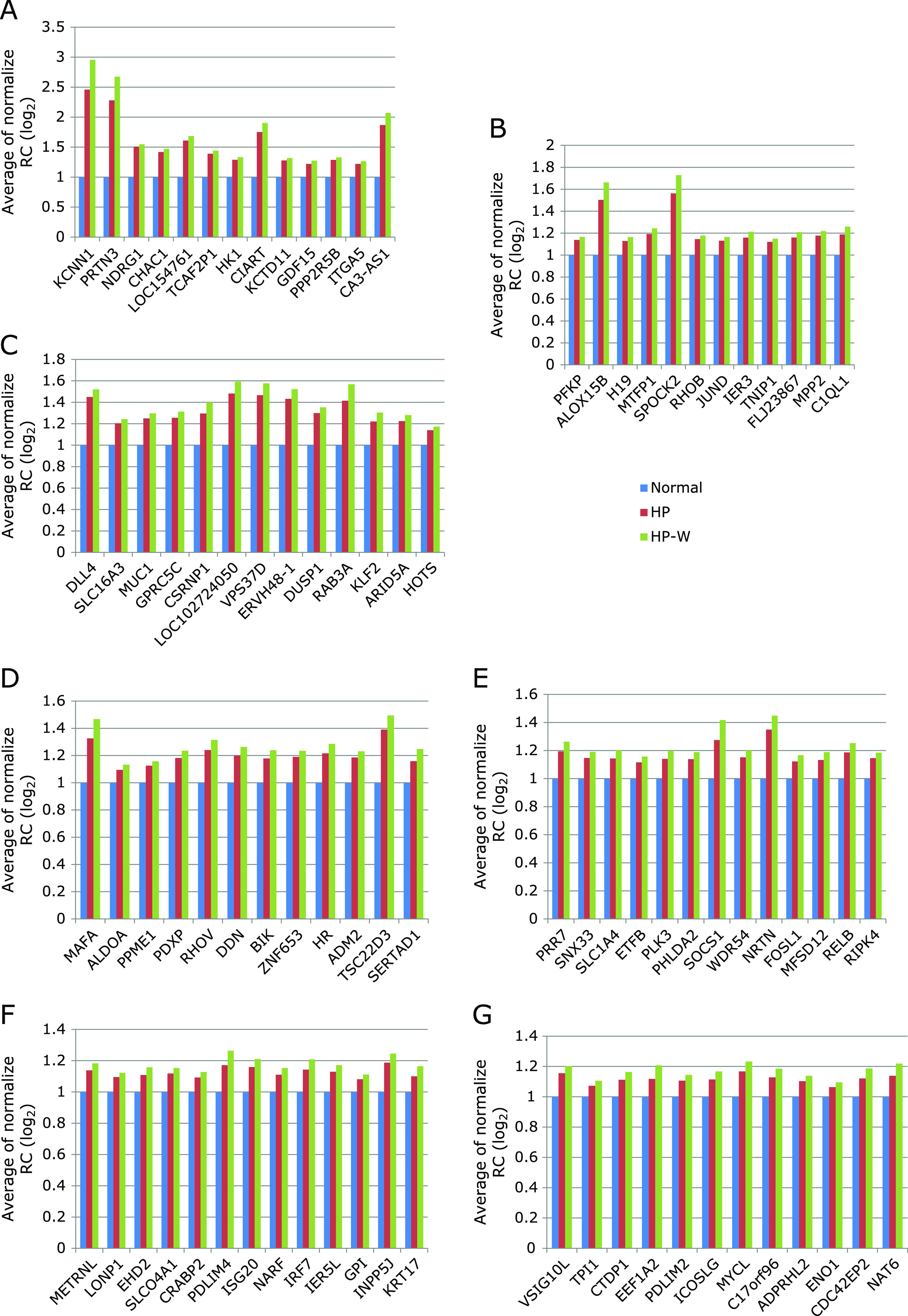
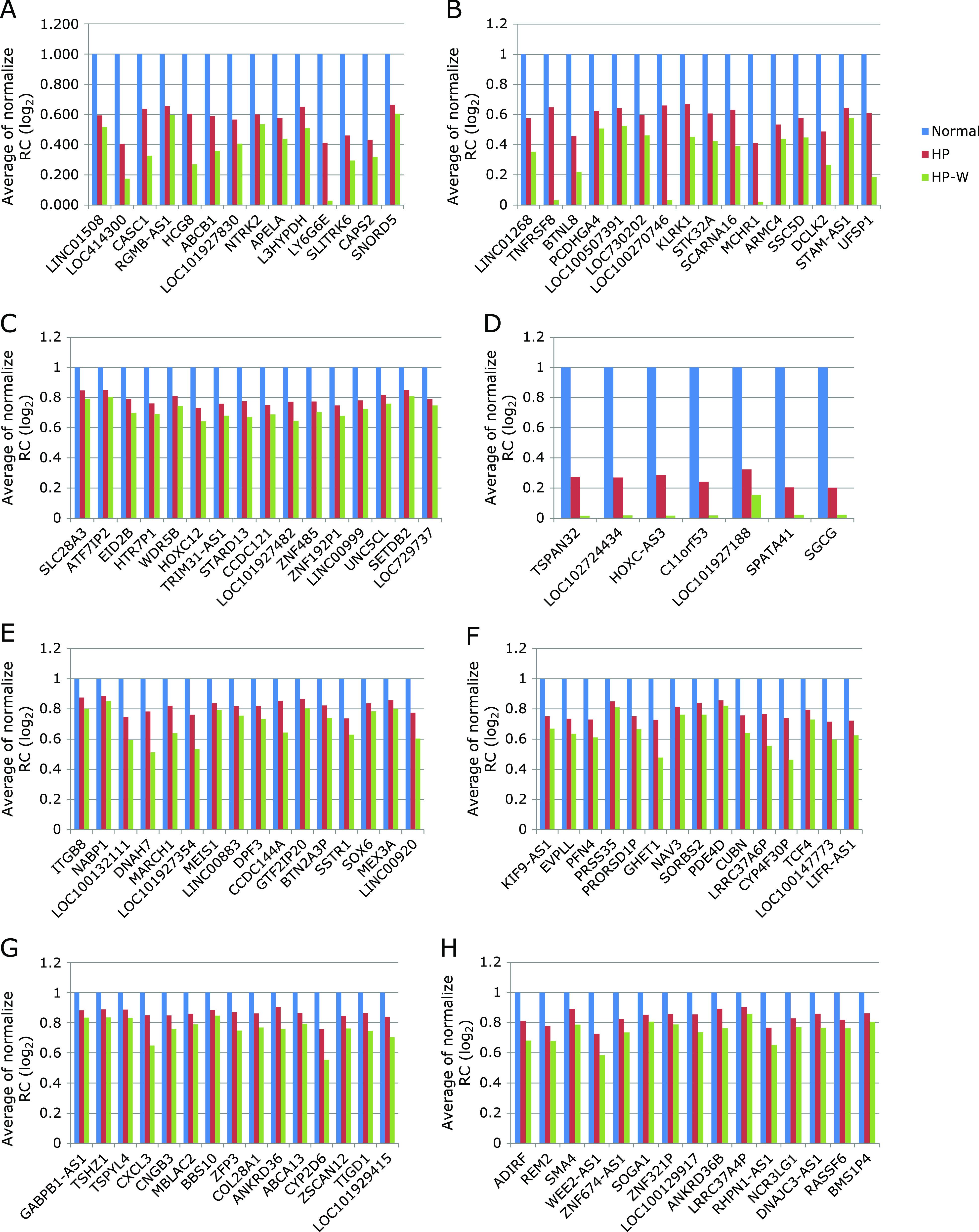
Dietary intervention to prevent Helicobacter pylori (H. pylori)-associated gastric diseases seems to be ideal with no risk of bacterial resistance, safe long-term intervention, and correcting pathogenic mechanisms including rejuvenation of precancerous atrophic gastritis and anti-mutagenesis. A transcriptome as set of all RNAs transcribed by certain tissues or cells demonstrates gene functions and reveals the molecular mechanism of specific biological processes against diseases. Here, we have performed RNAseq and bioinformatic analysis to explain proof of concept that walnut intake can rescue from H. pylori infection and explore unidentified mode of actions of walnut polyphenol extract (WPE). As results, BIRC3, SLC25A4, f3 transcription, VEGFA, AZU1, HMOX1, RAB3A, RELBTNIP1, ETFB, INPP5J, PPME1, RHOB, TPI1, FOSL1, JUND.RELB, KLF2, MUC1, NDRG1, ALDOA, ENO1, PFKP, GPI, GDF15, and NRTN genes were newly discovered to be enriched with WPE, whereas CCR4, BLNK, CCR7, CXCR4, CDO1, KLSG1, SELE, RASGRP2, PIK3R3, TSPAN32, HOXC-AS3, HCG8, BTNL8, and CXCL3 genes as inhibitory targets by WPE in H. pylori infection. We identified additional genes what WPE afforded actions of avoiding H. pylori-driven onco-inflammation and rejuvenating precancerous atrophic gastritis. Conclusively, after applying RNAseq analysis in order to document walnut intake for precision medicine against H. pylori infection, significant transcriptomic profiling applicable for validation were drawn.
Keywords: H. pylori; RNAseq; pharmanutrient; transcriptome; walnut polyphenol extract.
Copyright © 2021 JCBNCopyright © 2021 JCBN.
Conflict of interest statement
No potential conflicts of interest were disclosed.
Figures






References
-
- Lee HJ, Han YM, An JM, et al. Role of omega-3 polyunsaturated fatty acids in preventing gastrointestinal cancers: current status and future perspectives. Expert Rev Anticancer Ther 2018; 18: 1189–1203. - PubMed
-
- Yum HW, Kang JX, Hahm KB, Surh YJ. Constitutive ω-3 fatty acid production in fat-1 transgenic mice and docosahexaenoic acid administration to wild type mice protect against 2,4,6-trinitrobenzene sulfonic acid-induced colitis. Biochem Biophys Res Commun 2017; 487: 847–855. - PubMed
-
- Han YM, Jeong M, Park JM, et al. The ω-3 polyunsaturated fatty acids prevented colitis-associated carcinogenesis through blocking dissociation of β-catenin complex, inhibiting COX-2 through repressing NF-κB, and inducing 15-prostaglandin dehydrogenase. Oncotarget 2016; 7: 63583–63595. - PMC - PubMed
-
- Han YM, Park JM, Cha JY, Jeong M, Go EJ, Hahm KB. Endogenous conversion of ω-6 to ω-3 polyunsaturated fatty acids in fat-1 mice attenuated intestinal polyposis by either inhibiting COX-2/β-catenin signaling or activating 15-PGDH/IL-18. Int J Cancer 2016; 138: 2247–2256. - PubMed
LinkOut - more resources
Full Text Sources
Other Literature Sources
Research Materials
Miscellaneous
