


Abnormal Expression and Prognostic Significance of Bone Morphogenetic Proteins and Their Receptors in Lung Adenocarcinoma
- PMID: 34036102
- PMCID: PMC8123996
- DOI: 10.1155/2021/6663990
Abnormal Expression and Prognostic Significance of Bone Morphogenetic Proteins and Their Receptors in Lung Adenocarcinoma
Abstract
Background: Lung adenocarcinoma (LUAD) is one of the most life-threatening malignancies. The crucial role of bone morphogenetic protein (BMP)/BMP receptors reveals the significance of exploring BMP protein-related prognostic predictors in LUAD.
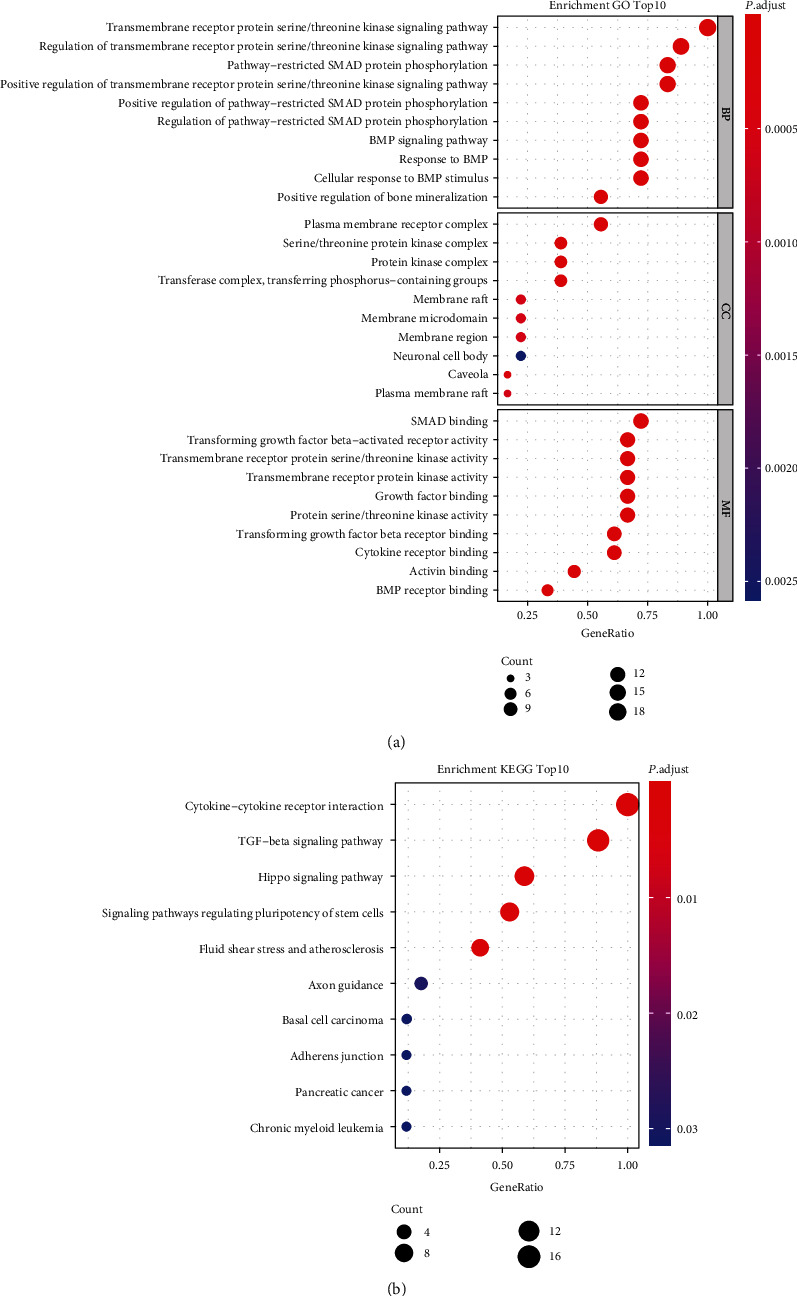
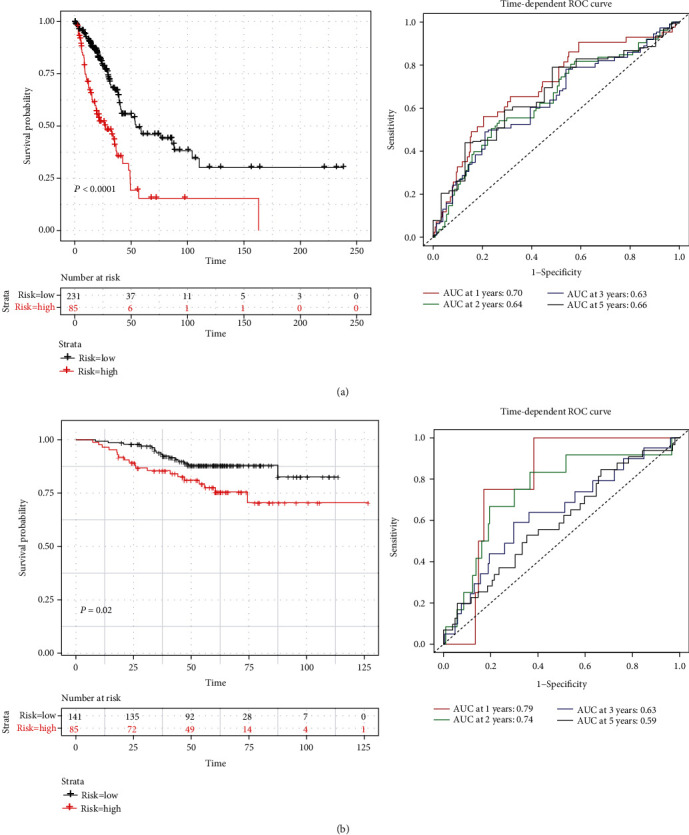
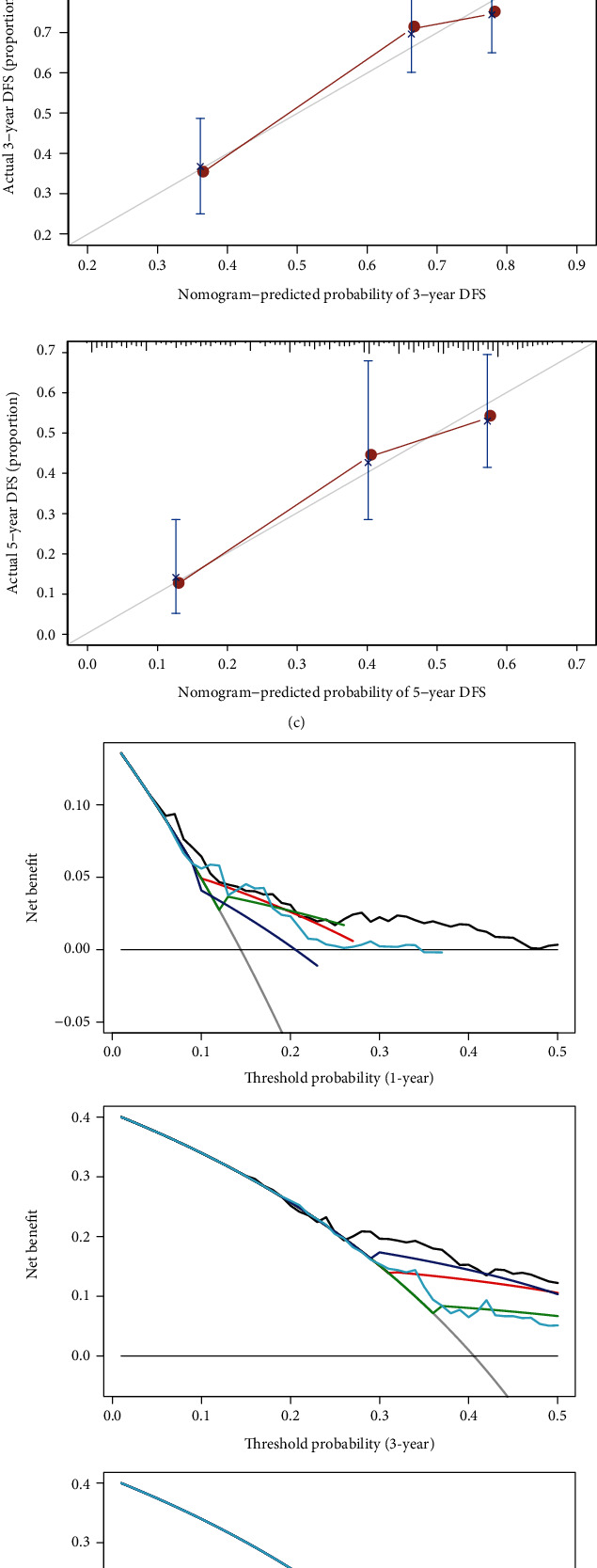
Methods: The mRNA expression of BMPs/BMP receptors was investigated in LUAD and normal lung tissues. Gene Ontology and the Kyoto Encyclopedia of Genes and Genomes pathway analyses were performed, and the prognostic values were assessed by Kaplan-Meier Plotter. Univariate and multivariate Cox regression analyses were executed to ascertain the correlation between overall survival (OS) and the mRNA expression of BMPs/BMP receptors. The receiver operating characteristic (ROC) curves were implemented to evaluate the predictive power of the prognostic model. Then, the prognostic model was validated in the GEO cohort. Furthermore, a nomogram comprising the prognostic model was established.
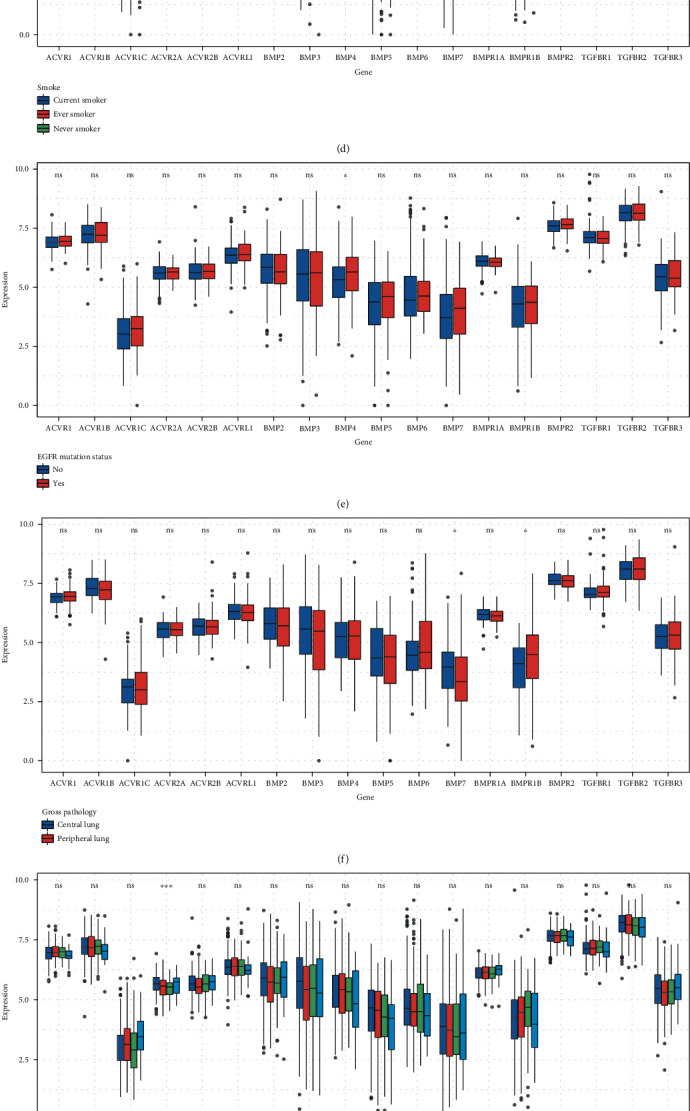
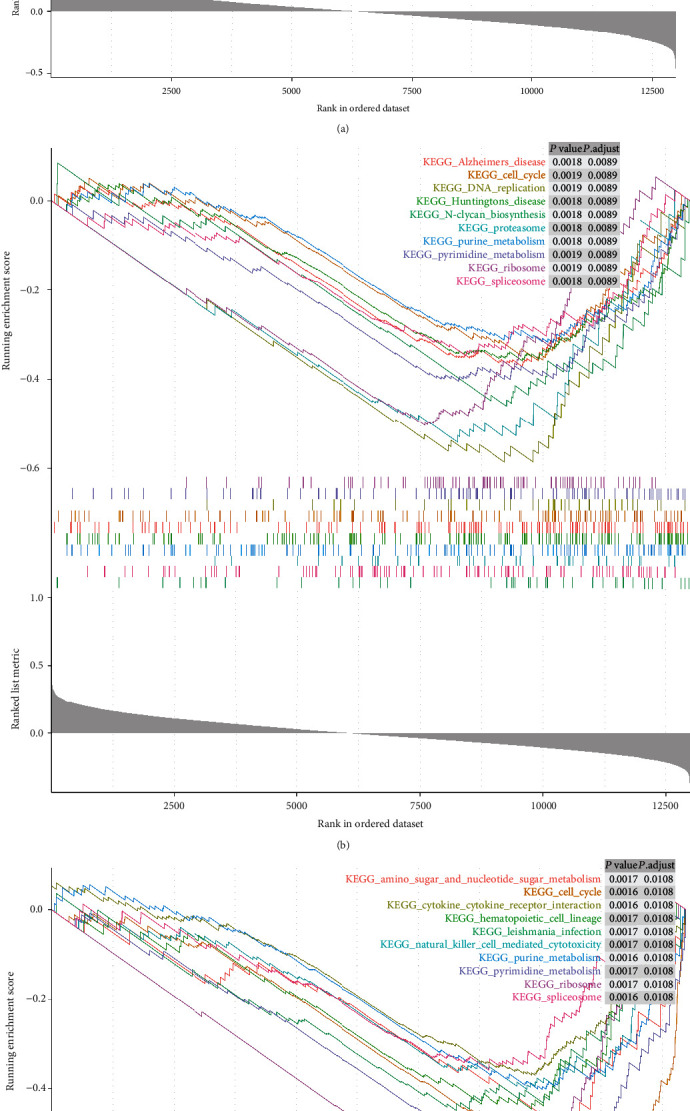
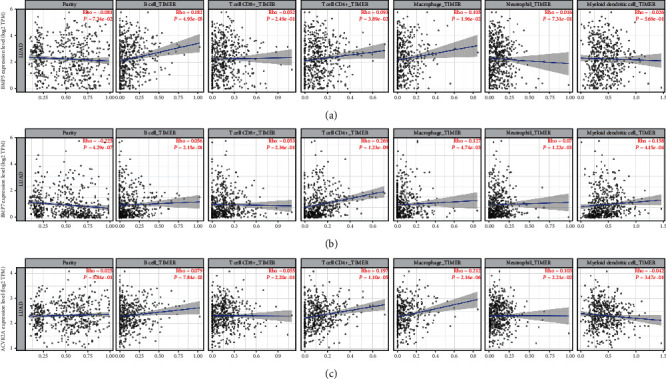
Results: The mRNA expression of BMP2/5/6/R2, ACVRL1, and TGFBR2/3 was lower in LUAD tissues than in normal lung tissues. High expression of BMP2/4/5/R1A/R2, ACVR1/2A/L1, and TGFBR1/3 was associated with better OS, while BMP7 and ACVR1C/2B were associated with poorer OS. Three genes (BMP5, BMP7, and ACVR2A) were screened by univariate and multivariate Cox regression analyses to develop the prognostic model in TCGA. Significantly better survival was observed in LUAD patients with a low-risk score than those with a high-risk score. The ROC curves confirmed the good performance of the prognostic model, then, the prognostic model was validated in the GSE31210 dataset. A nomogram was constructed (AUCs>0.7). And hub genes were further evaluated, including gene set enrichment analysis and immune cell infiltration.
Conclusions: BMP5, BMP7, and ACVR2A are potential therapeutic targets in LUAD. The three-gene prognostic model and the nomogram are reliable tools for predicting the OS of LUAD patients.
Copyright © 2021 Zhixiao Xu and Chengshui Chen.
Conflict of interest statement
The authors declare no potential conflicts of interest.
Figures
References
-
- Barlesi F., Mazieres J., Merlio J. P., et al. Routine molecular profiling of patients with advanced non-small-cell lung cancer: results of a 1-year nationwide programme of the French Cooperative Thoracic Intergroup (IFCT) Lancet (London, England) 2016;387(10026, article 10026):1415–1426. doi: 10.1016/S0140-6736(16)00004-0. - DOI - PubMed
-
- Travis W. D., Brambilla E., Nicholson A. G., et al. The 2015 World Health Organization classification of lung tumors: impact of genetic, clinical and radiologic advances since the 2004 classification. Journal of thoracic oncology. 2015;10(9):1243–1260. doi: 10.1097/JTO.0000000000000630. - DOI - PubMed
MeSH terms
Substances
LinkOut - more resources
Full Text Sources
Other Literature Sources
Medical
