


3D genomics across the tree of life reveals condensin II as a determinant of architecture type
- PMID: 34045355
- PMCID: PMC8172041
- DOI: 10.1126/science.abe2218
3D genomics across the tree of life reveals condensin II as a determinant of architecture type
Abstract
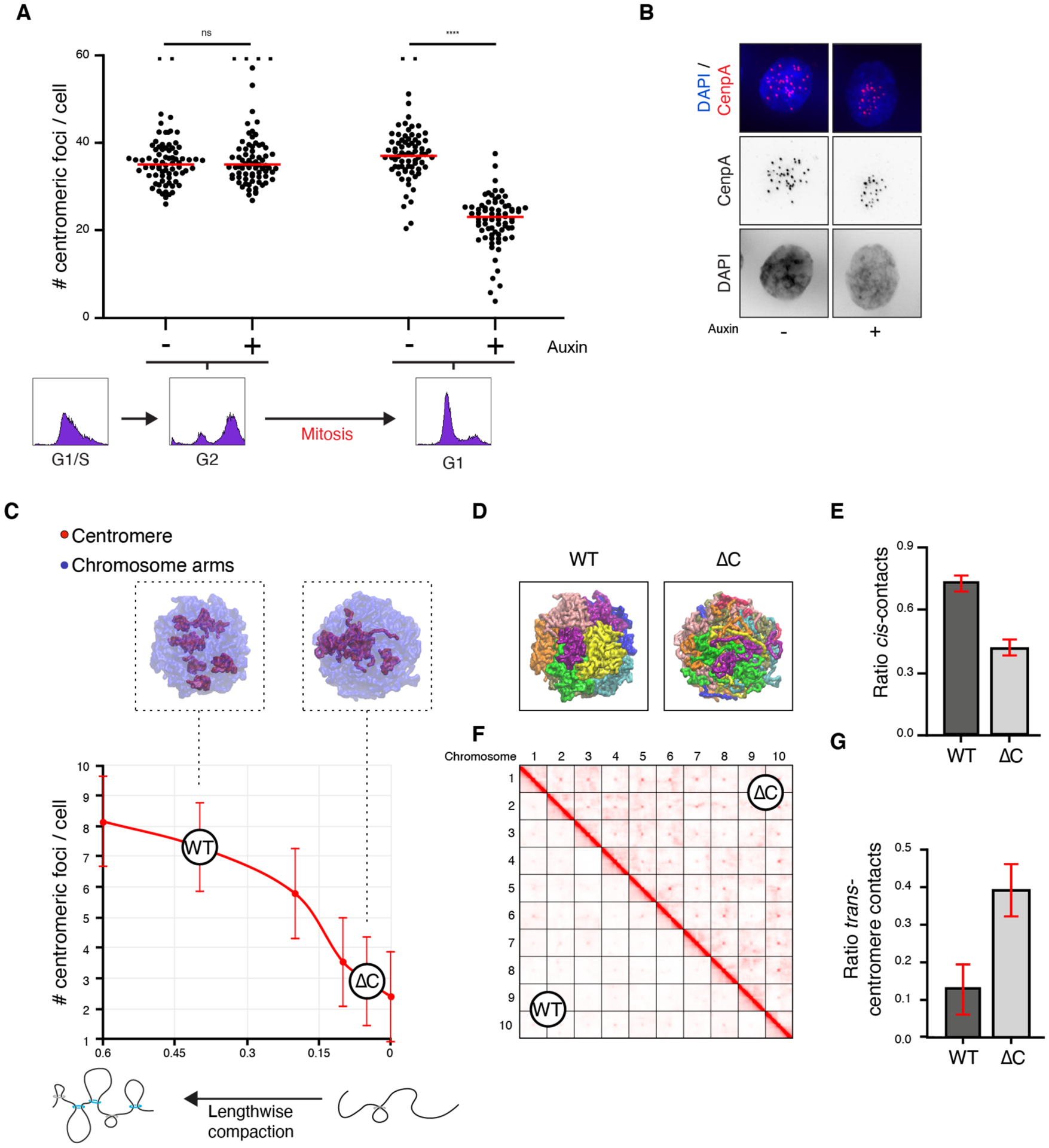
We investigated genome folding across the eukaryotic tree of life. We find two types of three-dimensional (3D) genome architectures at the chromosome scale. Each type appears and disappears repeatedly during eukaryotic evolution. The type of genome architecture that an organism exhibits correlates with the absence of condensin II subunits. Moreover, condensin II depletion converts the architecture of the human genome to a state resembling that seen in organisms such as fungi or mosquitoes. In this state, centromeres cluster together at nucleoli, and heterochromatin domains merge. We propose a physical model in which lengthwise compaction of chromosomes by condensin II during mitosis determines chromosome-scale genome architecture, with effects that are retained during the subsequent interphase. This mechanism likely has been conserved since the last common ancestor of all eukaryotes.
Copyright © 2021 The Authors, some rights reserved; exclusive licensee American Association for the Advancement of Science. No claim to original U.S. Government Works.
Conflict of interest statement
Competing interests
All authors declare that they have no competing interests.
Figures


References
-
- Rabl C, Morphol. Jahrb 10, 214–330 (1885).
-
- Hirano T, Cell. 164, 847–857 (2016). - PubMed
Publication types
MeSH terms
Substances
Grants and funding
LinkOut - more resources
Full Text Sources
Other Literature Sources
Molecular Biology Databases
