


Conceptual Model of Hearing Health Inequalities (HHI Model): A Critical Interpretive Synthesis
- PMID: 34049470
- PMCID: PMC8165532
- DOI: 10.1177/23312165211002963
Conceptual Model of Hearing Health Inequalities (HHI Model): A Critical Interpretive Synthesis
Abstract
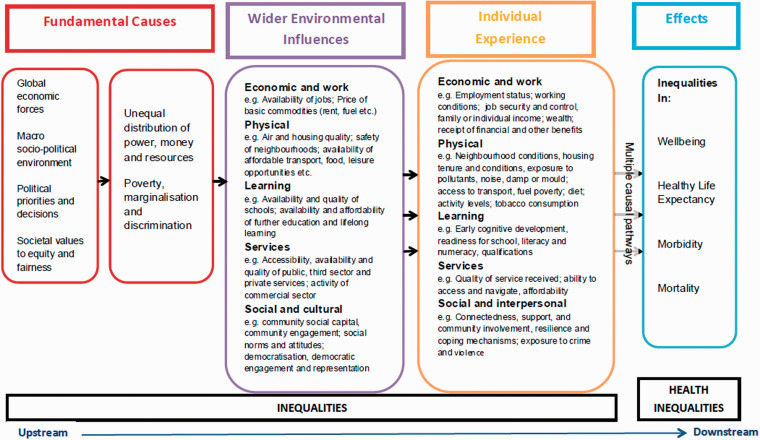
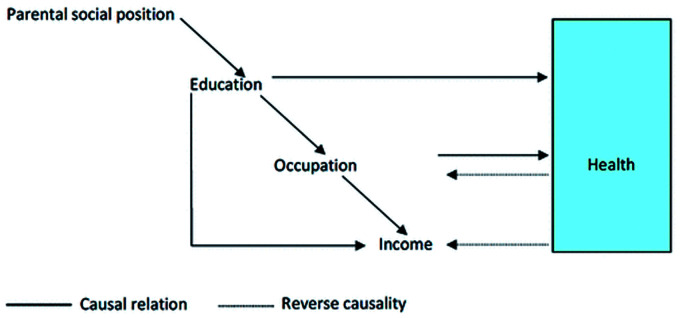
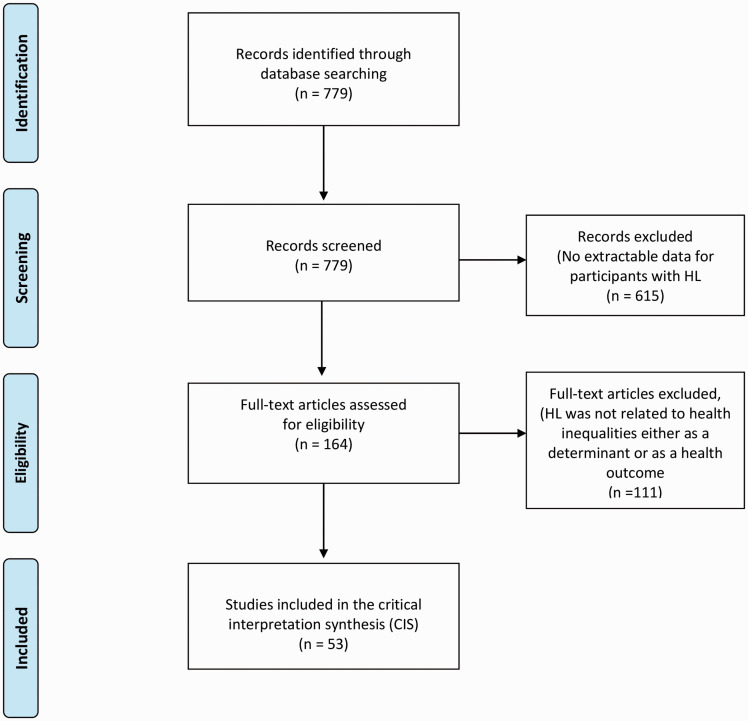
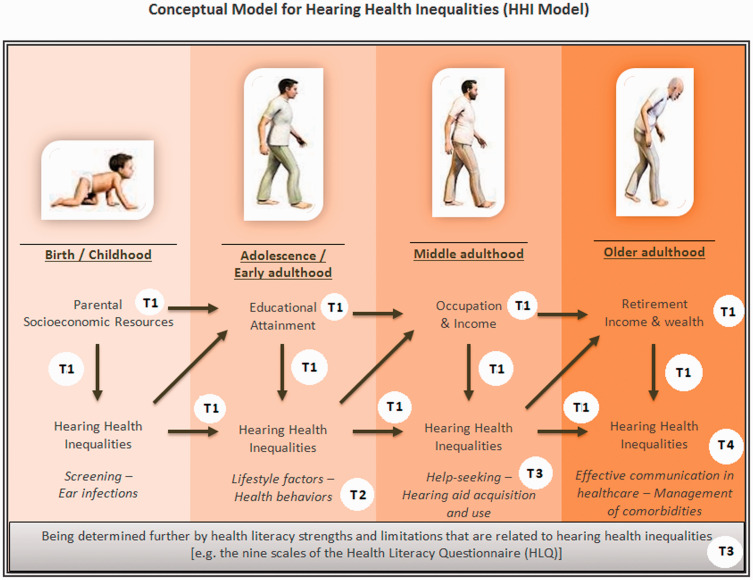
Hearing loss is a major health challenge that can have severe physical, social, cognitive, economic, and emotional consequences on people's quality of life. Currently, the modifiable factors linked to socioeconomic inequalities in hearing health are poorly understood. Therefore, an online database search (PubMed, Scopus, and Psych) was conducted to identify literature that relates hearing loss to health inequalities as a determinant or health outcome. A total of 53 studies were selected to thematically summarize the existing literature, using a critical interpretive synthesis method, where the subjectivity of the researcher is intimately involved in providing new insights with explanatory power. The evidence provided by the literature can be summarized under four key themes: (a) There might be a vicious cycle between hearing loss and socioeconomic inequalities and lifestyle factors, (b) socioeconomic position may interact with less healthy lifestyles, which are harmful to hearing ability, (c) increasing health literacy could improve the diagnosis and prognosis of hearing loss and prevent the adverse consequences of hearing loss on people's health, and (d) people with hearing loss might be vulnerable to receiving low-quality and less safe health care. This study uses elements from theoretical models of health inequalities to formulate a highly interpretive conceptual model for examining hearing health inequalities. This model depicts the specific mechanisms of hearing health and their evolution over time. There are many modifiable determinants of hearing loss, in several stages across an individual's life span; tackling socioeconomic inequalities throughout the life-course could improve the population's health, maximizing the opportunity for healthy aging.
Keywords: critical interpretive synthesis; health inequalities; health literacy; healthy aging; patient safety.
Conflict of interest statement
Figures
References
-
- Åberg Yngwe M. (2004). Resources and relative deprivation: Analysing mechanisms behind income, inequality and ill-health. Institutionen för folkhälsovetenskap/Department of Public Health Sciences.
-
- Adler N., Stewart J. E. A. (2007). Reaching for a healthier life: Facts on socioeconomic status and health in the US (p. 52). The John D. and Catherine T. MacArthur Foundation Research Network on Socioeconomic Status and Health.
-
- Alfakir R., van Leeuwen L. M., Pronk M., Kramer S. E., Zapala D. A. (2019). Comparing the international classification of functioning, disability, and health core sets for hearing loss and otorhinolaryngology/audiology intake documentation at Mayo Clinic. Ear and Hearing, 40, 858–869. 10.1097/AUD.0000000000000662 - DOI - PubMed
Publication types
MeSH terms
LinkOut - more resources
Full Text Sources
Other Literature Sources
Medical
