


Gut microbiome-host interactions in driving environmental pollutant trichloroethene-mediated autoimmunity
- PMID: 34051218
- PMCID: PMC8314436
- DOI: 10.1016/j.taap.2021.115597
Gut microbiome-host interactions in driving environmental pollutant trichloroethene-mediated autoimmunity
Abstract
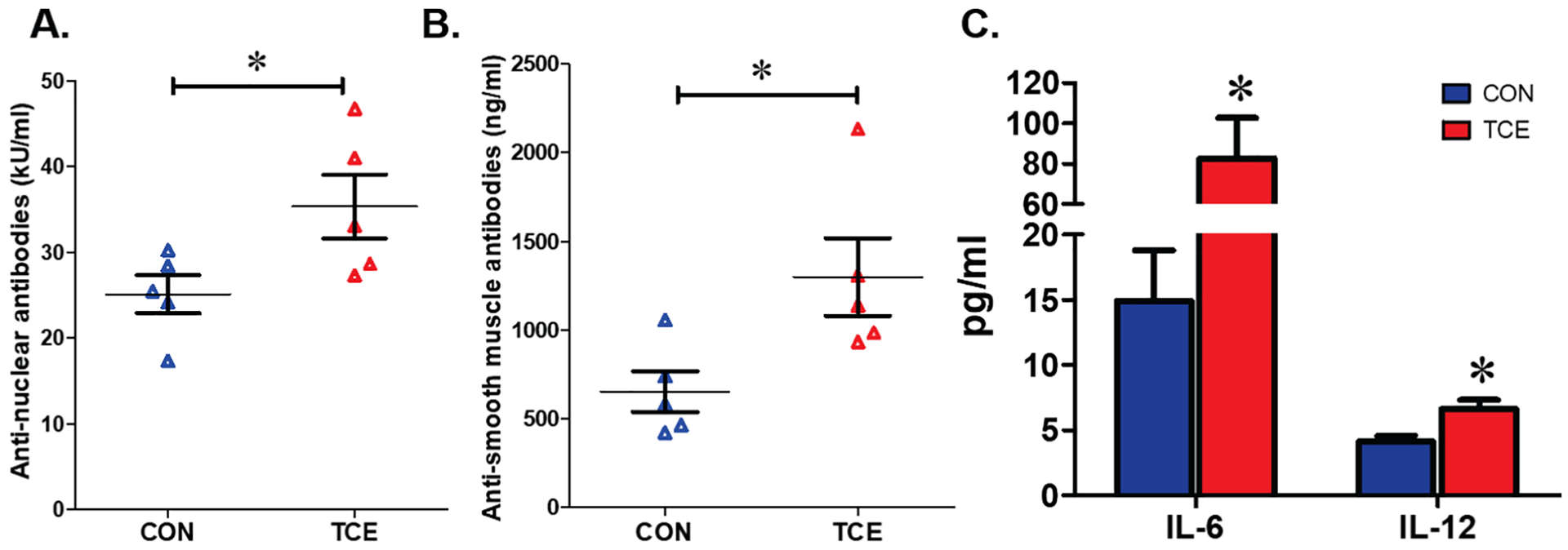
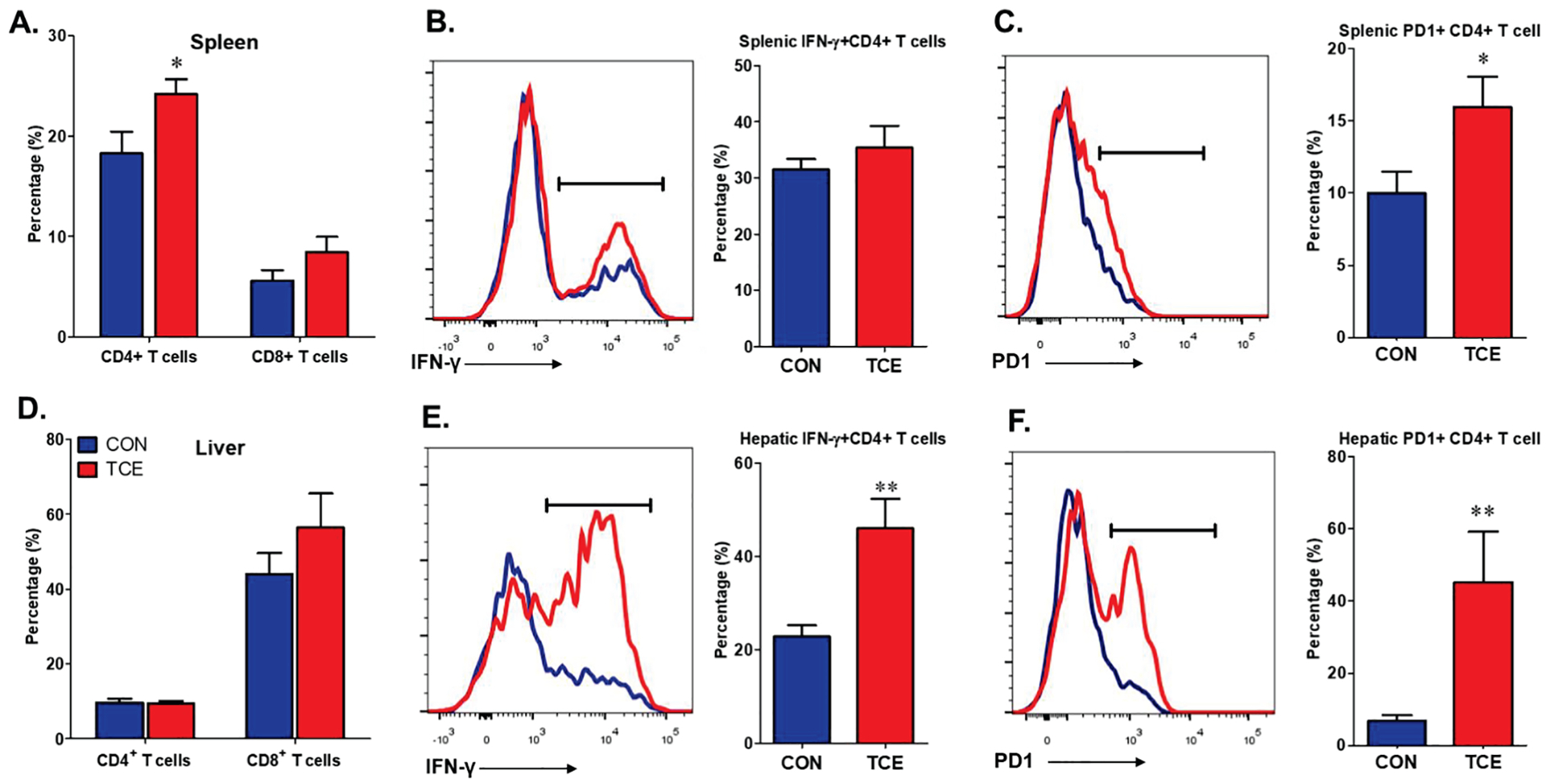
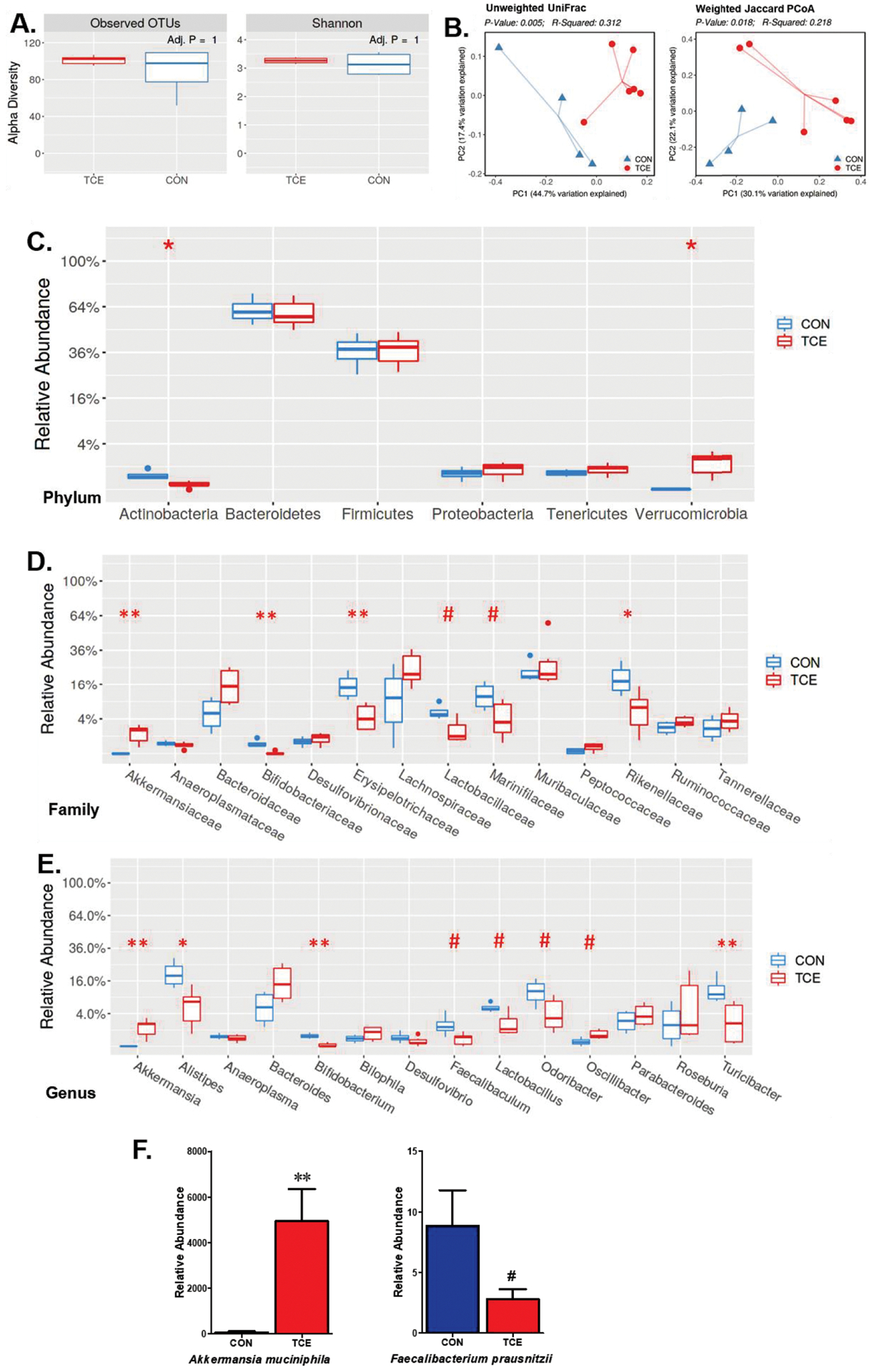
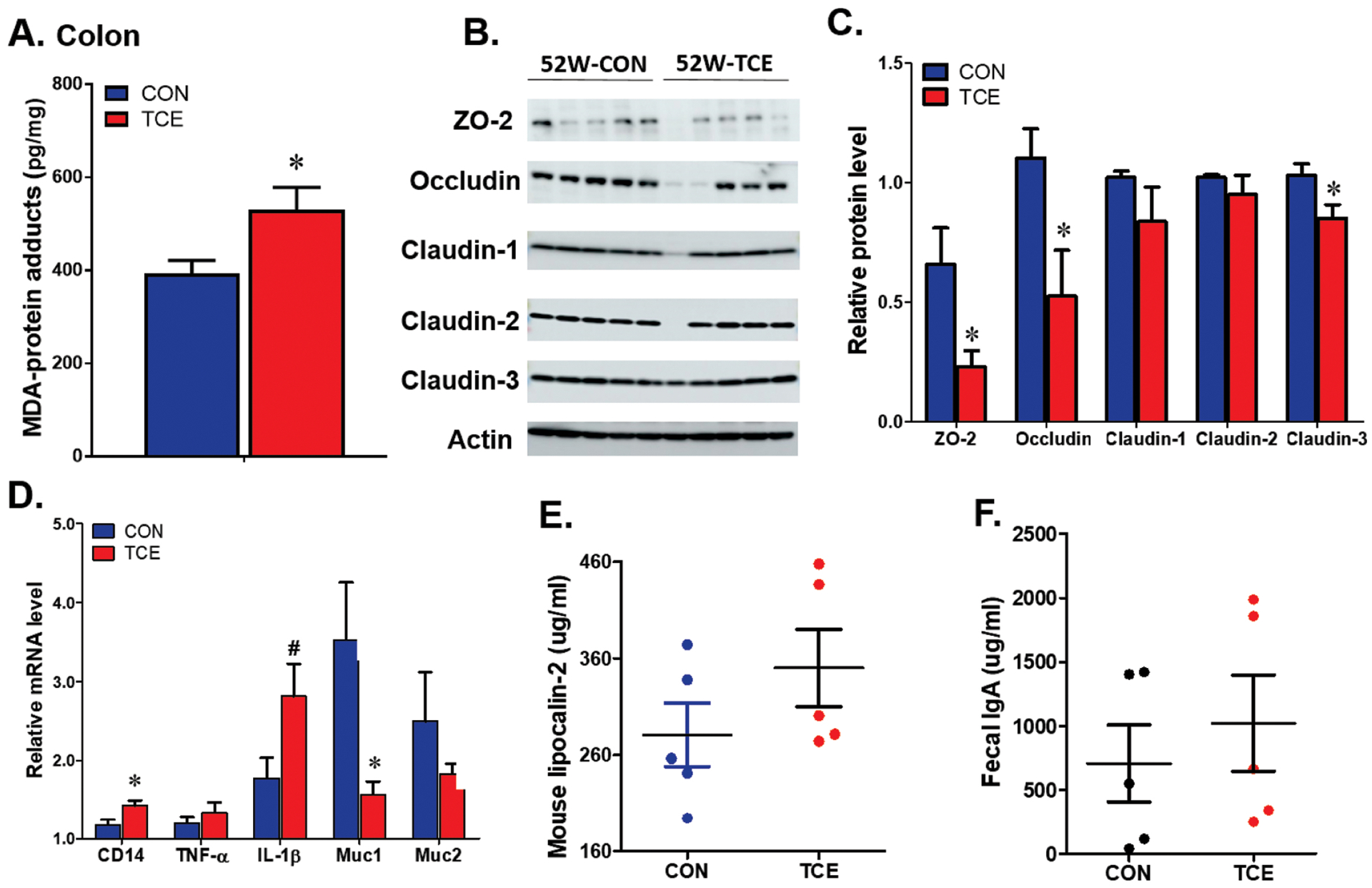
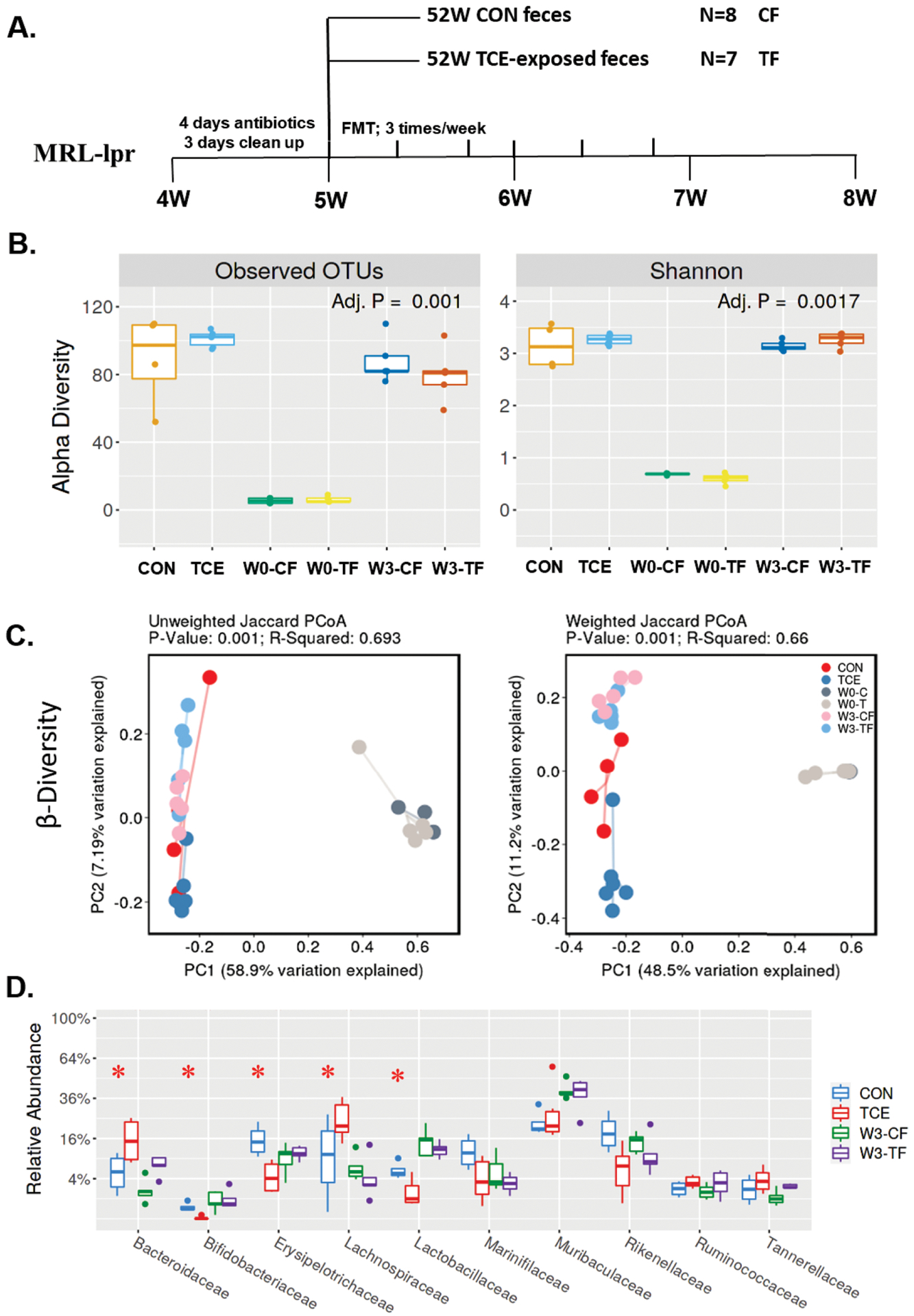
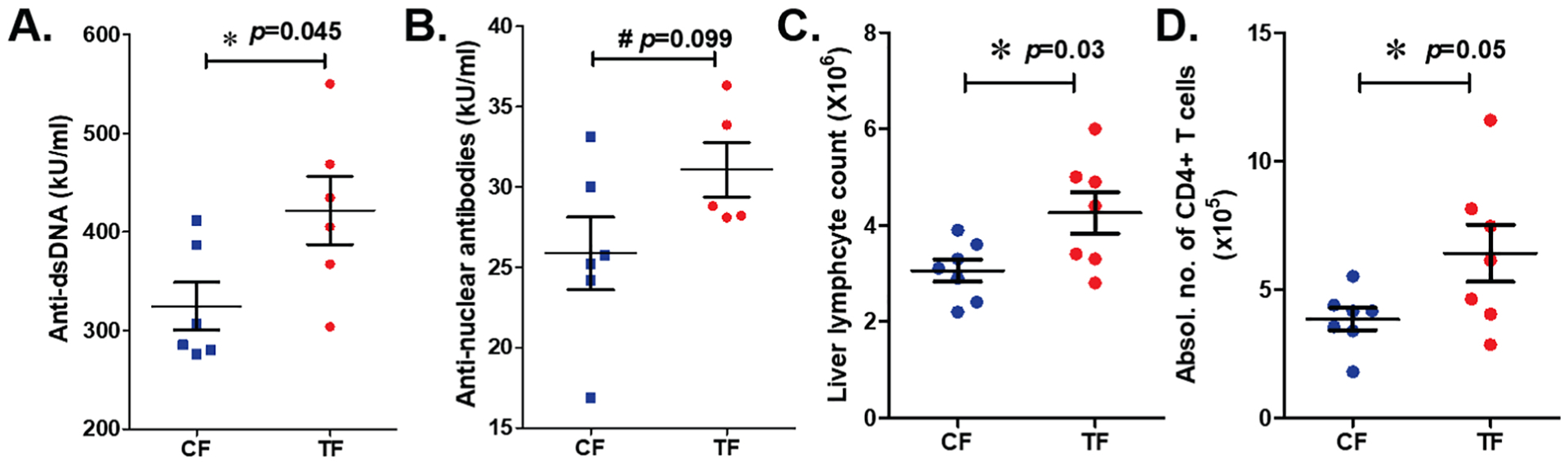
Trichloroethene (TCE), a widely used industrial solvent, is associated with the development of autoimmune diseases (ADs), including systemic lupus erythematosus and autoimmune hepatitis. Increasing evidence support a linkage between altered gut microbiome composition and the onset of ADs. However, it is not clear how gut microbiome contributes to TCE-mediated autoimmunity, and initial triggers for microbiome-host interactions leading to systemic autoimmune responses remain unknown. To achieve this, female MRL+/+ mice were treated with 0.5 mg/ml TCE for 52 weeks and fecal samples were subjected to 16S rRNA sequencing to determine the microbiome composition. TCE exposure resulted in distinct bacterial community revealed by β-diversity analysis. Notably, we observed reduction in Lactobacillaceae, Rikenellaceae and Bifidobacteriaceae families, and enrichment of Akkermansiaceae and Lachnospiraceae families after TCE exposure. We also observed significantly increased colonic oxidative stress and inflammatory markers (CD14 and IL-1β), and decreased tight junction proteins (ZO-2, occludin and claudin-3). These changes were associated with increases in serum antinuclear and anti-smooth muscle antibodies and cytokines (IL-6 and IL-12), together with increased PD1 + CD4+ T cells in TCE-exposed spleen and liver tissues. Importantly, fecal microbiota transplantation (FMT) using feces from TCE-treated mice to antibiotics-treated mice induced increased anti-dsDNA antibodies and hepatic CD4+ T cell infiltration in the recipient mice. Our studies thus delineate how imbalance in gut microbiome and mucosal redox status together with gut inflammatory response and permeability changes could be the key factors in contributing to TCE-mediated ADs. Furthermore, FMT studies provide a solid support to a causal role of microbiome in TCE-mediated autoimmunity.
Keywords: Autoimmunity; Environmental pollutant; Inflammation; Microbiome; Oxidative stress; Permeability.
Published by Elsevier Inc.
Conflict of interest statement
Declaration of interests
The authors declare that they have no known competing financial interests or personal relationships that could have appeared to influence the work reported in this paper.
Figures
References
-
- Albillos A, de Gottardi A, Rescigno M, 2020. The gut-liver axis in liver disease: Pathophysiological basis for therapy. J Hepatol 72, 558–577. - PubMed
-
- Anagnostopoulos G, Sakorafas GH, Grigoriadis K, Margantinis G, Kostopoulos P, Tsiakos S, Arvanitidis D, 2004. Hepatitis caused by occupational chronic exposure to trichloroethylene. Acta Gastroenterol Belg 67, 355–357. - PubMed
Publication types
MeSH terms
Substances
Grants and funding
LinkOut - more resources
Full Text Sources
Other Literature Sources
Research Materials
