


Ocular Manifestations of Patients with Coronavirus Disease 2019: A Comprehensive Review
- PMID: 34055261
- PMCID: PMC8126735
- DOI: 10.18502/jovr.v16i2.9087
Ocular Manifestations of Patients with Coronavirus Disease 2019: A Comprehensive Review
Abstract
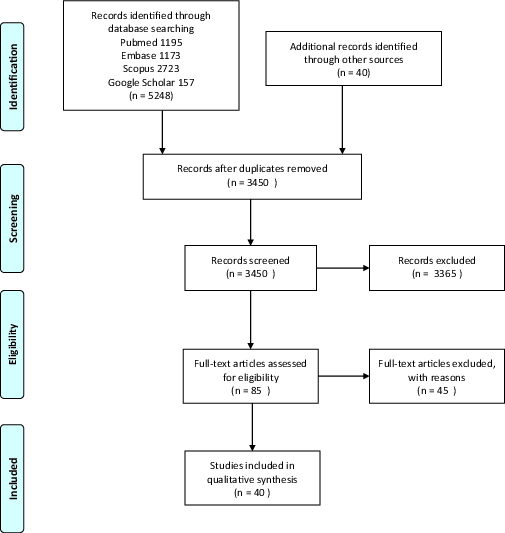
Apart from conjunctival involvement which is the most well-known ocular manifestation of coronavirus infectious disease 2019 (COVID-19), there are multiple reports of the involvement of other ocular structures by severe acute respiratory syndrome coronavirus 2 (SARS-CoV-2). We comprehensively reviewed PubMed, Scopus, Embase, and Google Scholar for available evidence regarding COVID-19 various ocular manifestations, with special focus on less known and unusual ocular findings. We then categorized the findings based on the parts of the eye which was involved. In anterior sections of the eye, the involvement of the eyelid (tarsadenitis), conjunctiva and cornea (follicular conjunctivitis, pseudomembranous conjunctivitis, and keratoconjunctivitis), episclera (nodular episcleritis), uvea (anterior uveitis) were reported. Also, third, fourth, and sixth nerve palsy, retinal vasculitis, retinal optical coherence tomography (OCT) changes (hyper-reflective lesions and increased retinal nerve fiber layer thickness [RNFLT]), optic neuritis, papillophlebitis, Miller Fisher syndrome, posterior reversible leukoencephalopathy (PRES), ophthalmic artery and central retinal artery occlusion, and polyneuritis cranialis were reported in different studies. Postmortem evaluation of COVID-19 patients detected no viral RNA in different anterior and posterior segments of the eyes. However, another study revealed a 21.4% positivity of the retinal biopsies of dead patients. The results of this study can help ophthalmologists to be vigilant when they see these findings in a suspected case of COVID-19. In addition, wearing face masks and protective goggles or eye shields are recommended, especially in high risk contacts.
Keywords: COVID-19; Manifestations; Ocular; Ophthalmologic; Coronavirus.
Copyright © 2021 Roshanshad et al.
Conflict of interest statement
The authors have no competing interests to declare.
Figures
References
Publication types
LinkOut - more resources
Full Text Sources
Other Literature Sources
Molecular Biology Databases
Miscellaneous