


Exogenous Hydrogen Sulfide Plays an Important Role Through Regulating Autophagy in Ischemia/Reperfusion Injury
- PMID: 34055892
- PMCID: PMC8155623
- DOI: 10.3389/fmolb.2021.681676
Exogenous Hydrogen Sulfide Plays an Important Role Through Regulating Autophagy in Ischemia/Reperfusion Injury
Abstract
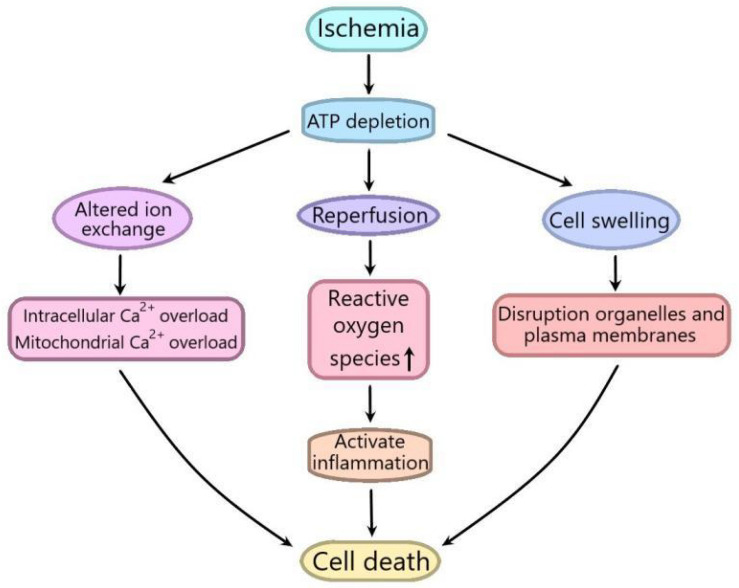
Ischemia/reperfusion (I/R) injury is characterized by limiting blood supply to organs, then restoring blood flow and reoxygenation. It leads to many diseases, including acute kidney injury, myocardial infarction, circulatory arrest, ischemic stroke, trauma, and sickle cell disease. Autophagy is an important and conserved cellular pathway, in which cells transfer the cytoplasmic contents to lysosomes for degradation. It plays an important role in maintaining the balance of cell synthesis, decomposition and reuse, and participates in a variety of physiological and pathological processes. Hydrogen sulfide (H2S), along with carbon monoxide (CO) and nitric oxide (NO), is an important gas signal molecule and regulates various physiological and pathological processes. In recent years, there are many studies on the improvement of I/R injury by H2S through regulating autophagy, but the related mechanisms are not completely clear. Therefore, we summarize the related research in the above aspects to provide theoretical reference for future in-depth research.
Keywords: apoptosis; autophagy; hydrogen sulfide; ischemia/reperfusion injury; oxidative stress.
Copyright © 2021 Lv, Wang, Wang and Wang.
Conflict of interest statement
The authors declare that the research was conducted in the absence of any commercial or financial relationships that could be construed as a potential conflict of interest.
Figures
References
Publication types
LinkOut - more resources
Full Text Sources
Other Literature Sources
