


Immune characterization and profiles of SARS-CoV-2 infected patients reveals potential host therapeutic targets and SARS-CoV-2 oncogenesis mechanism
- PMID: 34058265
- PMCID: PMC8163696
- DOI: 10.1016/j.virusres.2021.198464
Immune characterization and profiles of SARS-CoV-2 infected patients reveals potential host therapeutic targets and SARS-CoV-2 oncogenesis mechanism
Abstract
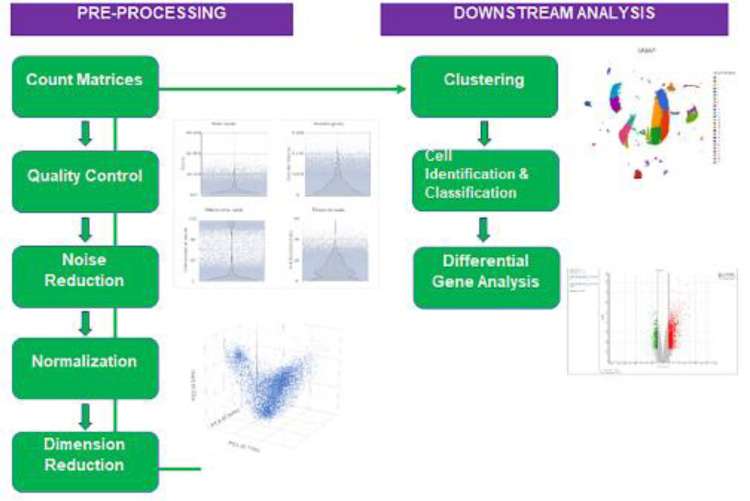
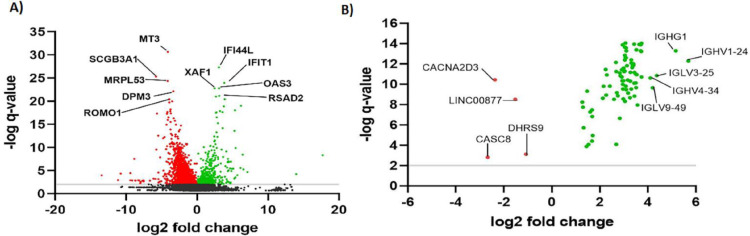
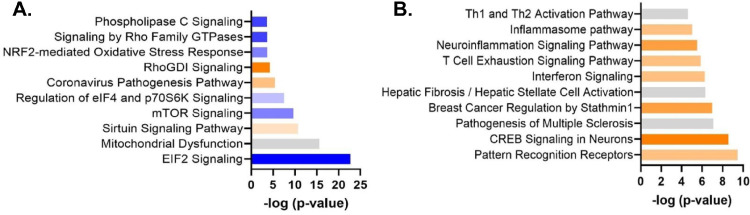
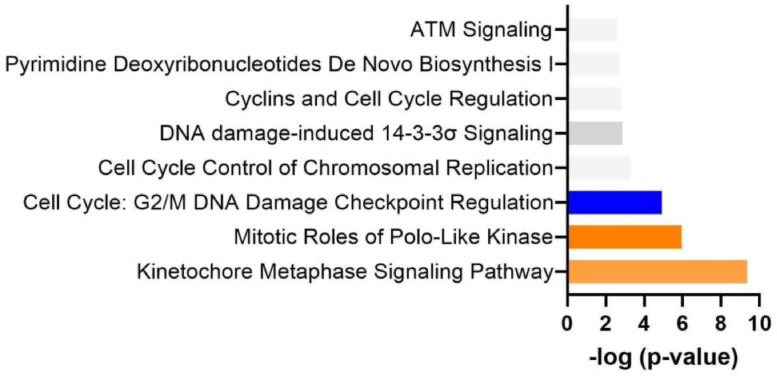
The spread of SARS-CoV-2 and the increasing mortality rates of COVID-19 create an urgent need for treatments, which are currently lacking. Although vaccines have been approved by the FDA for emergency use in the U.S., patients will continue to require pharmacologic intervention to reduce morbidity and mortality as vaccine availability remains limited. The rise of new variants makes the development of therapeutic strategies even more crucial to combat the current pandemic and future outbreaks. Evidence from several studies suggests the host immune response to SARS-CoV-2 infection plays a critical role in disease pathogenesis. Consequently, host immune factors are becoming more recognized as potential biomarkers and therapeutic targets for COVID-19. To develop therapeutic strategies to combat current and future coronavirus outbreaks, understanding how the coronavirus hijacks the host immune system during and after the infection is crucial. In this study, we investigated immunological patterns or characteristics of the host immune response to SARS-CoV-2 infection that may contribute to the disease severity of COVID-19 patients. We analyzed large bulk RNASeq and single cell RNAseq data from COVID-19 patient samples to immunoprofile differentially expressed gene sets and analyzed pathways to identify human host protein targets. We observed an immunological profile of severe COVID-19 patients characterized by upregulated cytokines, interferon-induced proteins, and pronounced T cell lymphopenia, supporting findings by previous studies. We identified a number of host immune targets including PERK, PKR, TNF, NF-kB, and other key genes that modulate the significant pathways and genes identified in COVID-19 patients. Finally, we identified genes modulated by COVID-19 infection that are implicated in oncogenesis, including E2F transcription factors and RB1, suggesting a mechanism by which SARS-CoV-2 infection may contribute to oncogenesis. Further clinical investigation of these targets may lead to bonafide therapeutic strategies to treat the current COVID-19 pandemic and protect against future outbreaks and viral escape variants.
Keywords: Bulk RNASeq analysis; Cancer; Gene expression analysis; Immune characterization of COVID19 patients; Immune profiling of COVID19 patients; SARS-COV-2; Single cell scRNAseq analysis.
Copyright © 2021 Elsevier B.V. All rights reserved.
Conflict of interest statement
The authors declare that they have no known competing financial interests or personal relationships that could have appeared to influence the work reported in this paper.
Figures
Update of
-
Immune characterization and profiles of SARS-CoV-2 infected patients reveals potential host therapeutic targets and SARS-CoV-2 oncogenesis mechanism.bioRxiv [Preprint]. 2021 Mar 22:2021.02.17.431721. doi: 10.1101/2021.02.17.431721. bioRxiv. 2021. Update in: Virus Res. 2021 Aug;301:198464. doi: 10.1016/j.virusres.2021.198464. PMID: 33619493 Free PMC article. Updated. Preprint.
References
-
- Barrett T., Wilhite S.E., Ledoux P., Evangelista C., Kim I.F., Tomashevsky M., Marshall K.A., Phillippy K.H., Sherman P.M., Holko M., Yefanov A., Lee H., Zhang N., Robertson C.L., Serova N., Davis S., Soboleva A. NCBI GEO: archive for functional genomics data sets–update. Nucleic Acids Res. 2013;41:D991–D995. Database issue. - PMC - PubMed
Publication types
MeSH terms
Substances
Grants and funding
LinkOut - more resources
Full Text Sources
Other Literature Sources
Medical
Miscellaneous
