


Guaiazulene derivative 1,2,3,4-tetrahydroazuleno[1,2-b] tropone reduces the production of ATP by inhibiting electron transfer complex II
- PMID: 34061471
- PMCID: PMC8564332
- DOI: 10.1002/2211-5463.13215
Guaiazulene derivative 1,2,3,4-tetrahydroazuleno[1,2-b] tropone reduces the production of ATP by inhibiting electron transfer complex II
Abstract
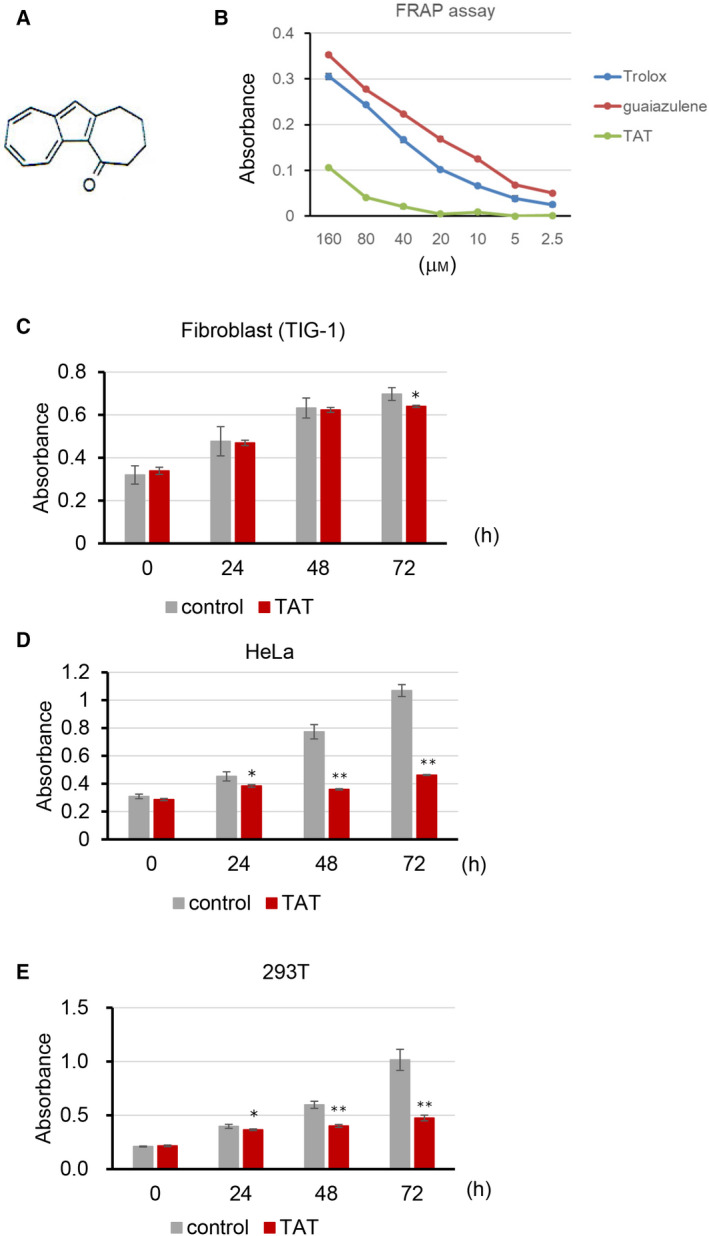
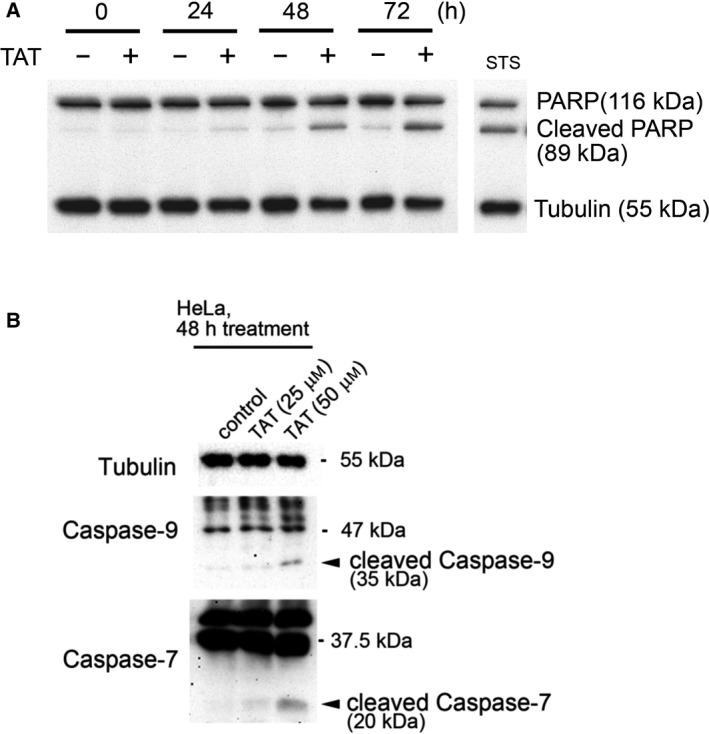
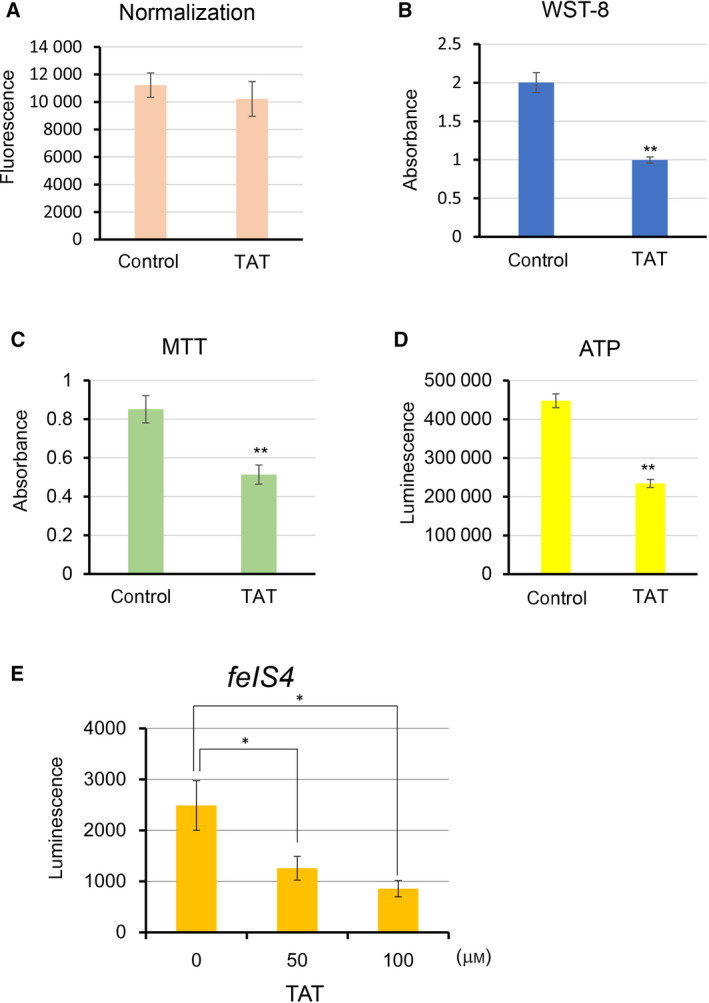
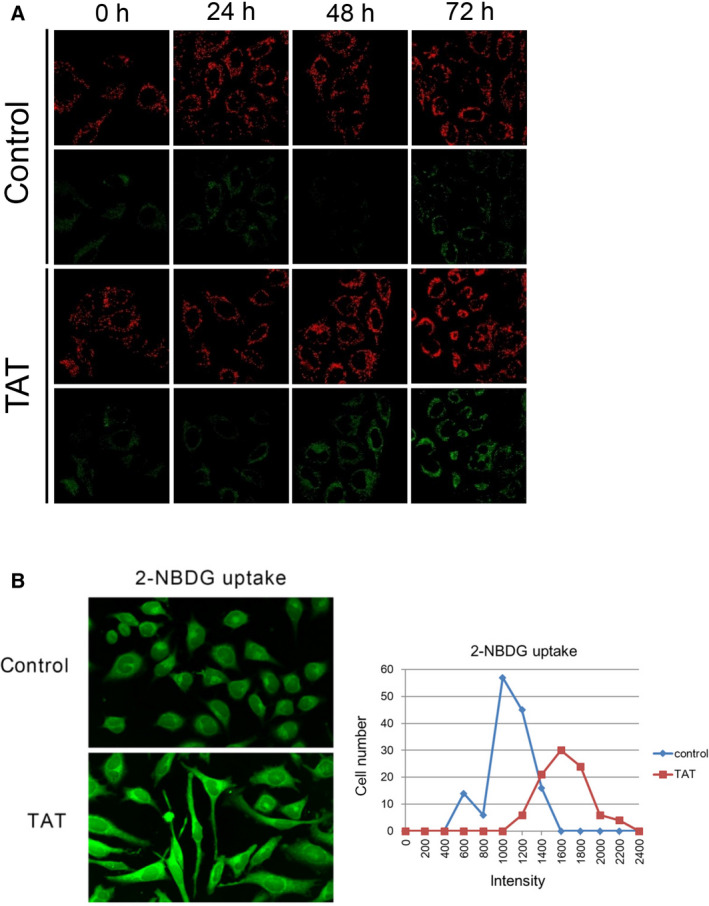
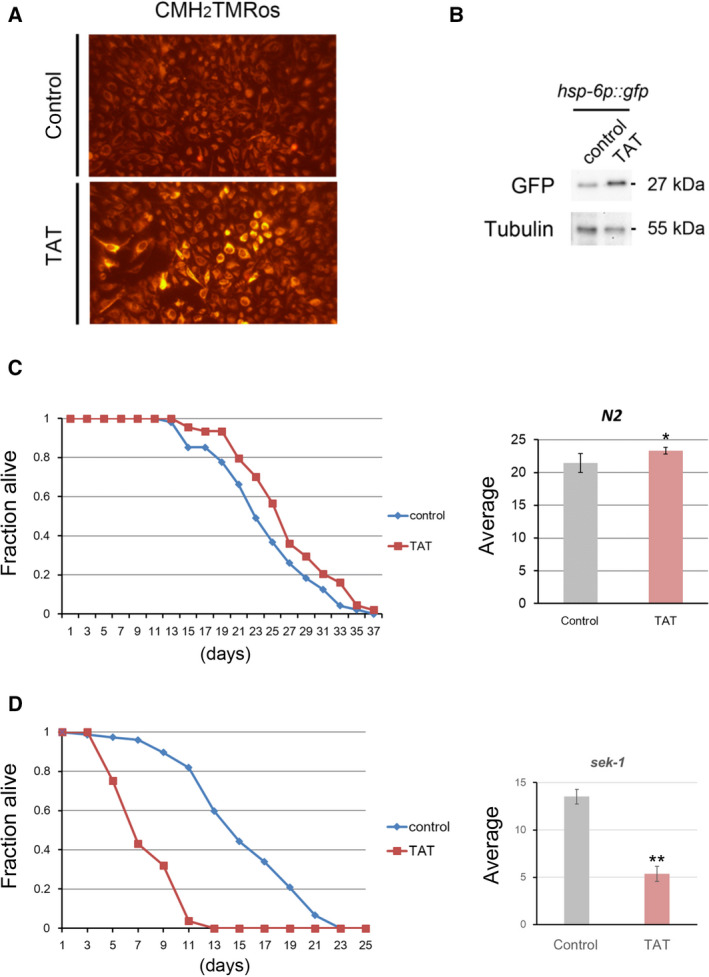
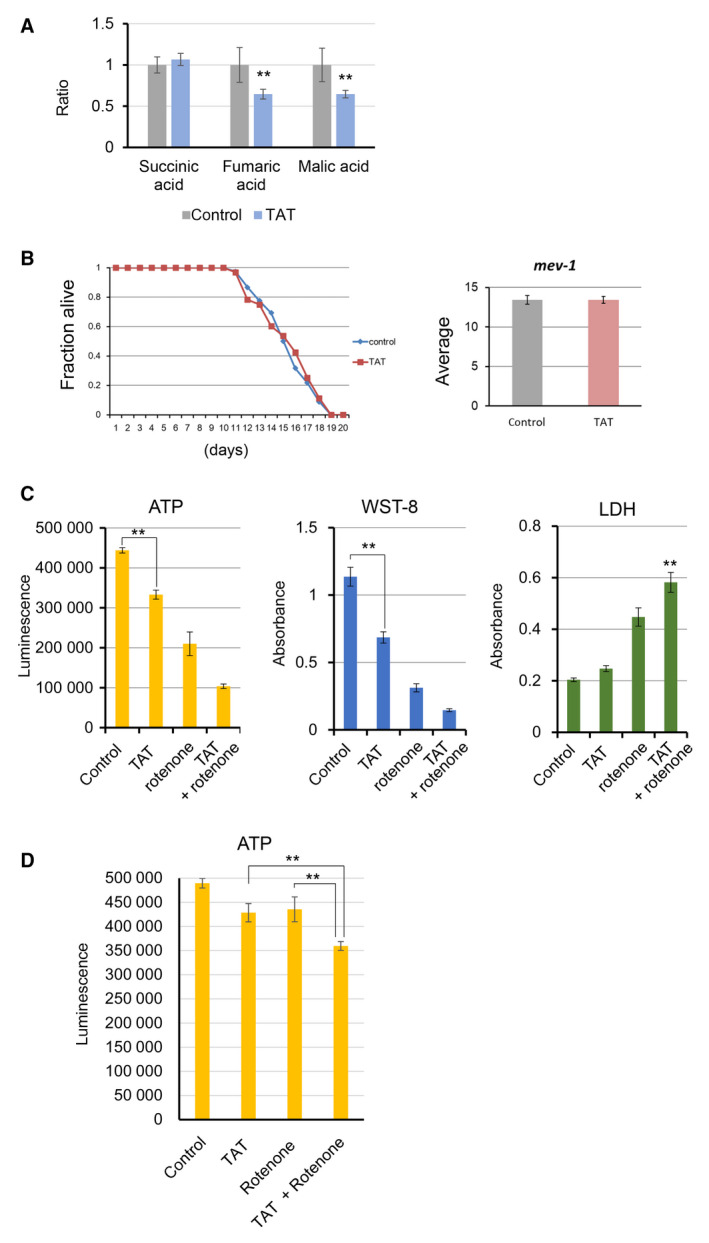
Molecularly targeted therapy has been used for treatment of various types of cancer. However, cancer cells often acquire resistance to molecularly targeted drugs that inhibit specific molecular abnormalities, such as constitutive activation of kinases. Even in cancer cells that have acquired resistance, enhanced anabolism, including the synthesis of nucleotides, amino acids and lipids, is common to normal cancer cells. Therefore, there is a renewed interest in effectively eliminating cancer cells by specifically targeting their abnormal energy metabolism. Multiple strategies are currently being developed for mitochondrial-targeted cancer therapy, with agents targeting oxidative phosphorylation, glycolysis, the tricarboxylic acid cycle and apoptosis. In this study, we found that one of the guaiazulene derivatives, namely, 1,2,3,4-tetrahydroazuleno[1,2-b] tropone (TAT), inhibited the proliferation of cancer cell lines stronger than that of normal cells. In addition, we showed that TAT inhibited energy production in cancer cell lines, resulting in apoptosis. Analyses done in cancer cell lines and in the animal model Caenorhabditis elegans suggested that TAT acts on the mitochondrial electron transfer complex II and suppresses cellular energy production by inhibiting oxidative phosphorylation across species. These results suggest that TAT could represent a novel anticancer agent that selectively targets mitochondria.
Keywords: C . elegans; OXPHOS; apoptosis; cancer; metabolism; mitochondria.
© 2021 The Authors. FEBS Open Bio published by John Wiley & Sons Ltd on behalf of Federation of European Biochemical Societies.
Conflict of interest statement
The authors declare no conflict of interest.
Figures
References
-
- Vogelstein B and Kinzler KW (2004) Cancer genes and the pathways they control. Nat Med 10, 789–799. - PubMed
-
- Bonnet S, Archer SL, Allalunis‐Turner J, Haromy A, Beaulieu C, Thompson R, Lee CT, Lopaschuk GD, Puttagunta L, Bonnet S et al. (2007) A mitochondria‐K+ channel axis is suppressed in cancer and its normalization promotes apoptosis and inhibits cancer growth. Cancer Cell 11, 37–51. - PubMed
-
- Weinhouse S, Warburg O, Burk D and Schade AL (1956) On respiratory impairment in cancer cells. Science (80‐) 124, 267–272. - PubMed
Publication types
MeSH terms
Substances
LinkOut - more resources
Full Text Sources
