


Chronic pain severity, impact, and opioid use among patients with cancer: An analysis of biopsychosocial factors using the CHOIR learning health care system
- PMID: 34061975
- PMCID: PMC9981278
- DOI: 10.1002/cncr.33645
Chronic pain severity, impact, and opioid use among patients with cancer: An analysis of biopsychosocial factors using the CHOIR learning health care system
Abstract
Background: Despite the biopsychosocial underpinnings of chronic noncancer pain, relatively little is known about the contribution of psychosocial factors to chronic cancer pain. The authors aimed to characterize associations between biopsychosocial factors and pain and opioid use among individuals with chronic pain and cancer.
Methods: The authors conducted a retrospective, cross-sectional study of 700 patients with chronic pain and cancer seeking treatment at an academic tertiary pain clinic. Patients completed demographic questionnaires and validated psychosocial and pain measures. Multivariable, hierarchical linear and logistic regressions assessed the relative contributions of biopsychosocial factors to the primary dependent variables of pain severity, pain interference, and opioid use.
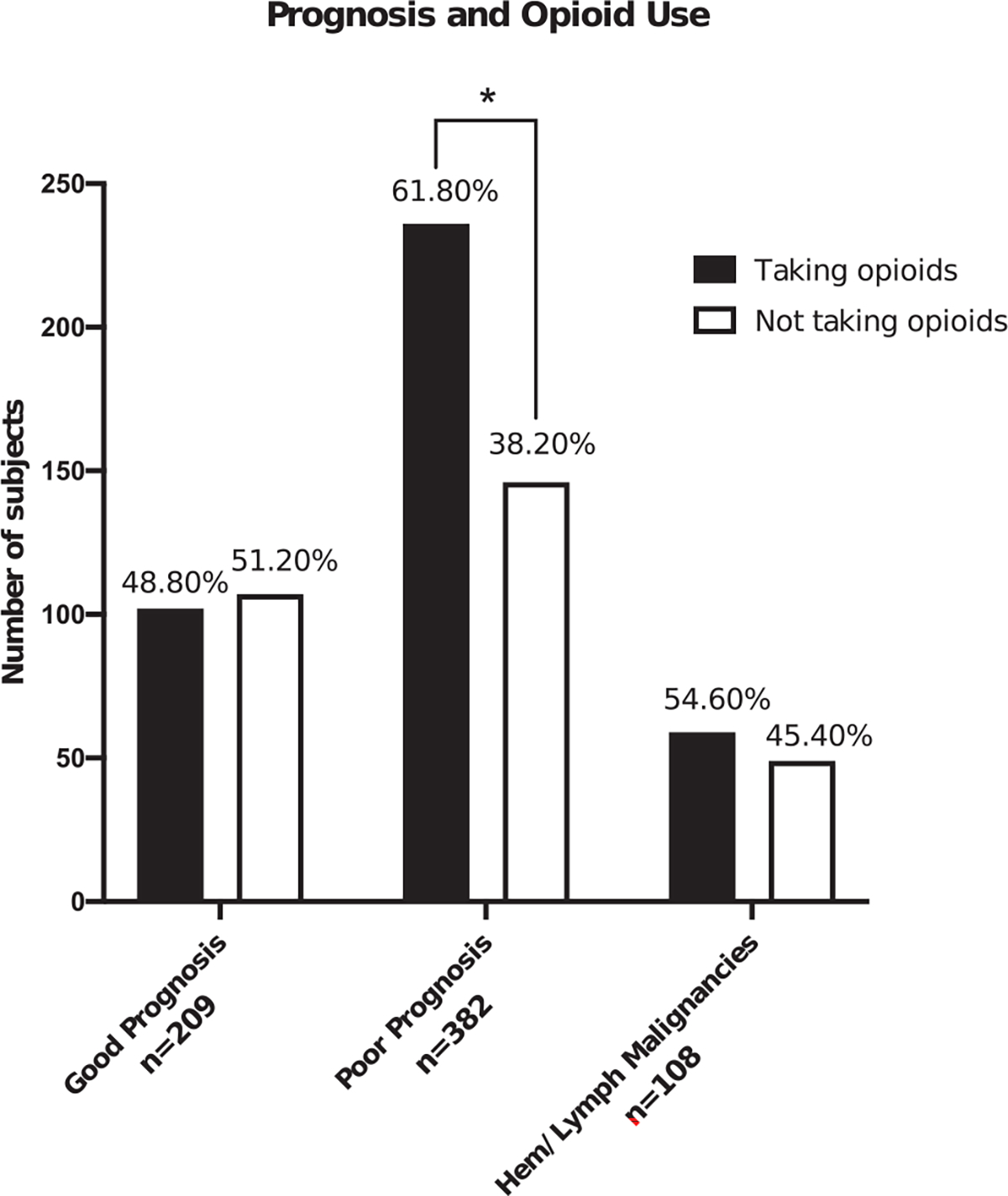
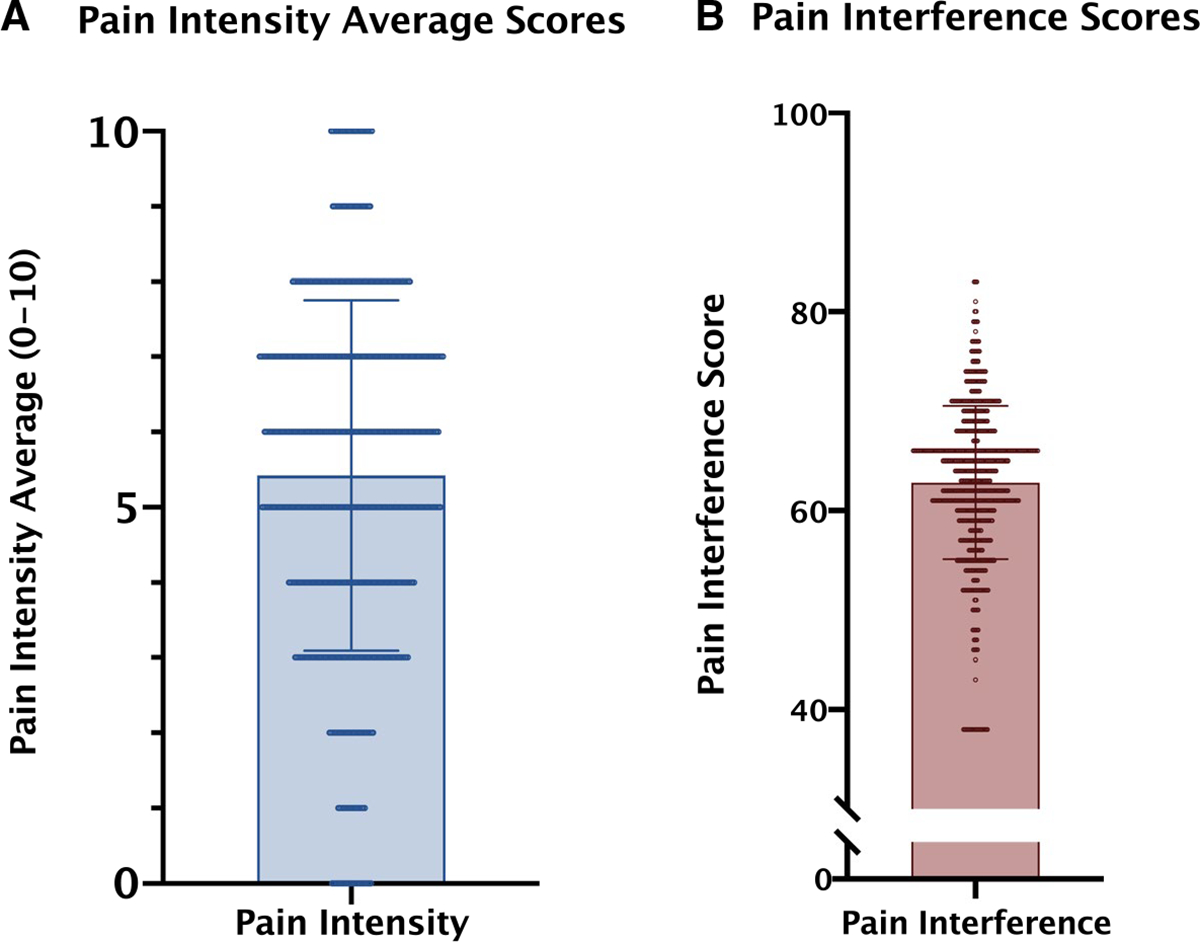
Results: Participants were 62% female and 66% White with a mean age of 59 ± 15 years, and 55% held a college degree or higher. Older age, African American or "other" race, sleep disturbance, and pain catastrophizing were significantly associated with higher pain severity (F(5,657) = 22.45; P ≤ .001; R2 = 0.22). Depression, sleep disturbance, pain catastrophizing, lower emotional support, and higher pain severity were significantly associated with pain interference (F(5,653) = 9.47; P ≤ .001; R2 = 0.44). Lastly, a poor cancer prognosis (Exp(B) = 1.62) and sleep disturbance (Exp(B) = 1.02) were associated with taking opioids, whereas identifying as Asian (Exp(B) = 0.48) or Hispanic (Exp(B) = 0.47) was associated with lower odds of using opioids.
Conclusions: Modifiable psychological factors-specifically sleep disturbance, depression, and pain catastrophizing-were uniquely associated with pain and opioid use in patients with chronic pain and diverse cancer diagnoses. Future behavioral pain interventions that concurrently target sleep may improve pain among patients with cancer.
Lay summary: Feeling depressed, worrying about pain, and bad sleep are related to higher pain symptoms in individuals with chronic pain and cancer. Specifically, those who struggle to sleep have worse pain and use more opioids. Also, individuals who have a bad prognosis for their cancer are more likely to be using opioid pain medications. Although race and cancer are related to chronic pain in patients, psychological well-being is also strongly related to this same pain.
Keywords: Collaborative Health Outcomes Information Registry (CHOIR); cancer; cancer pain; catastrophizing; disparities; opioids; sleep.
© 2021 American Cancer Society.
Conflict of interest statement
CONFLICT OF INTEREST DISCLOSURES
Desiree R. Azizoddin reports grants or contracts from the National Palliative Care Research Center and the David Lynch Foundation to her institution. Kristin Schreiber reports a National Institutes of Health/National Institute of General Medical Sciences grant to study pain and opioid use in postsurgical and chronic pain patients; support for attending meetings and/or travel from the American Society of Regional Anesthesiologists, the American Academy of Pain Medicine, the National Institutes of Health (educational seminar), and the Veterans Administration (MERIT grant review study section member); chairmanship of the International Anesthesia Research Society Mentored Research Award Study Section; and membership on the travel grant selection committee of the International Association for the Study of Pain. Beth D. Darnall reports a research grant and a research award from Stanford University; royalties for books; and consulting payments from Applied VR. The other authors made no disclosures.
Figures
References
Publication types
MeSH terms
Substances
Grants and funding
LinkOut - more resources
Full Text Sources
Medical
Research Materials
Miscellaneous
