


Microbiological Study in Petrol-Spiked Soil
- PMID: 34062889
- PMCID: PMC8125633
- DOI: 10.3390/molecules26092664
Microbiological Study in Petrol-Spiked Soil
Abstract
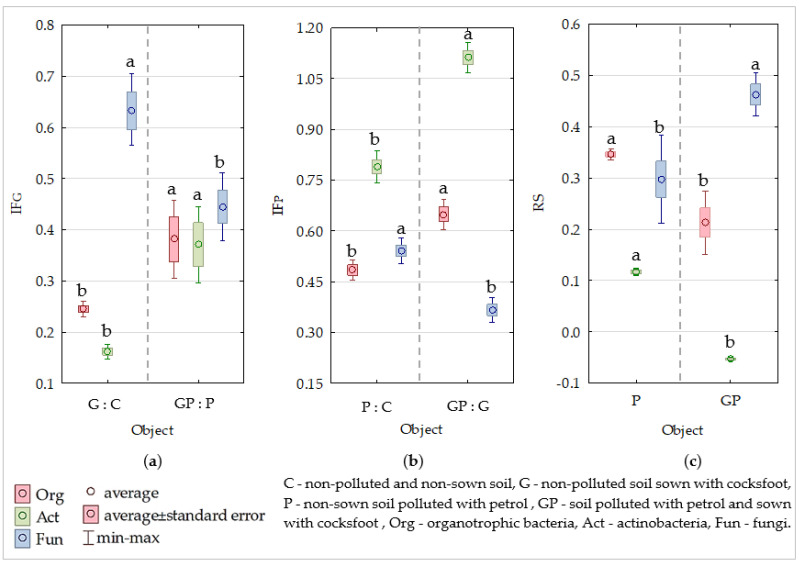
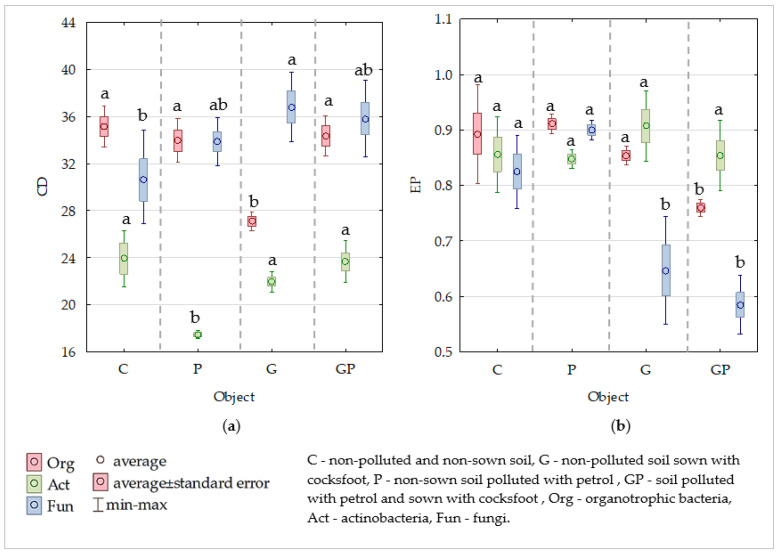
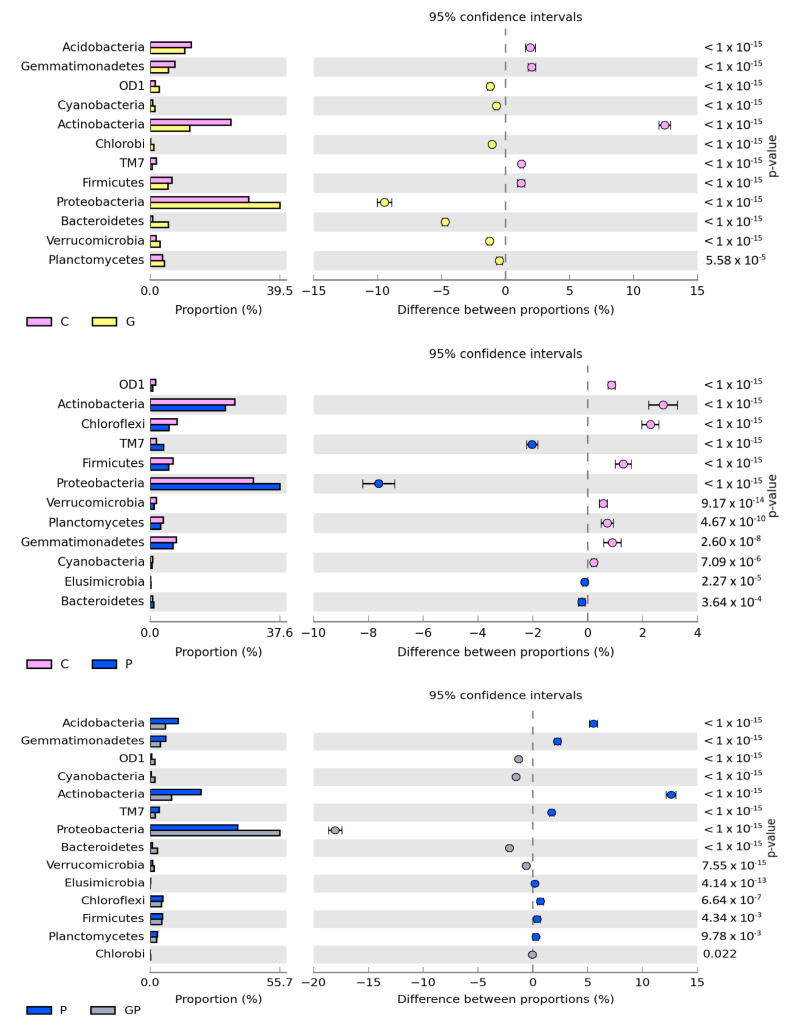
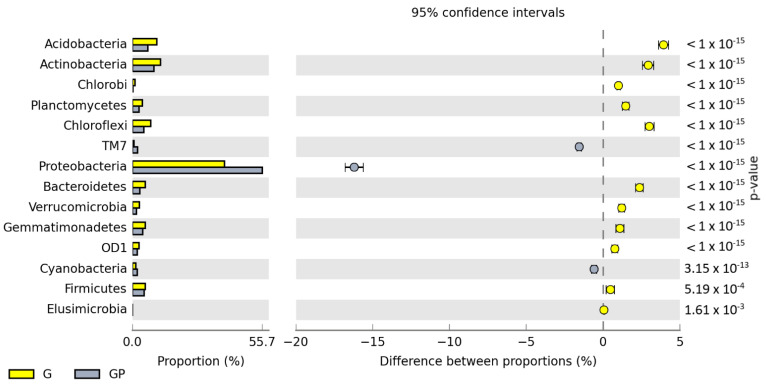
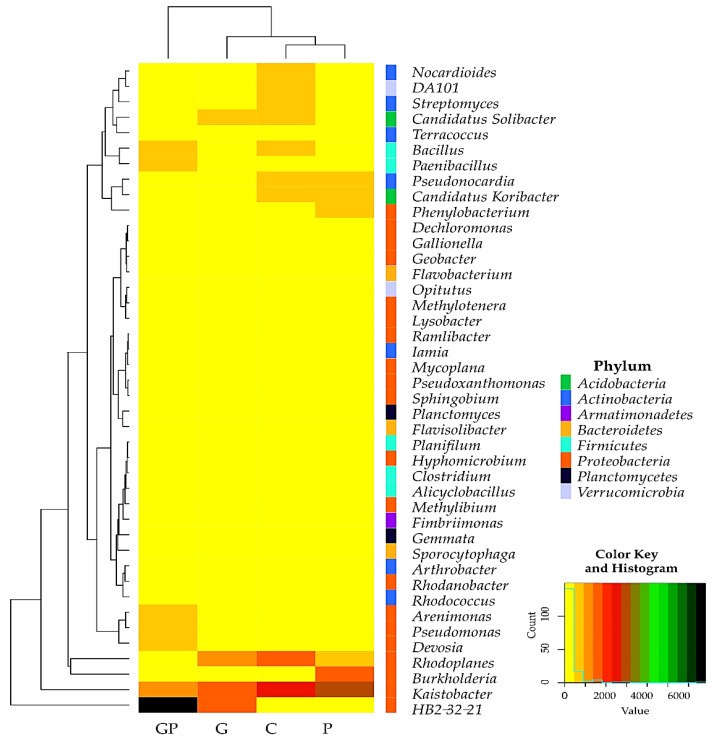
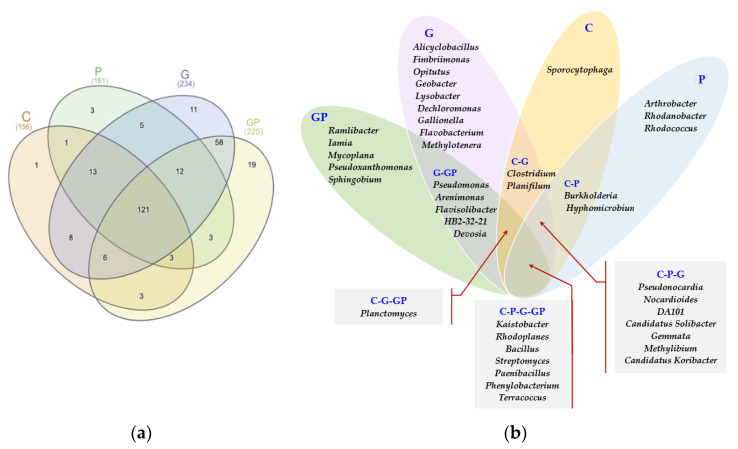
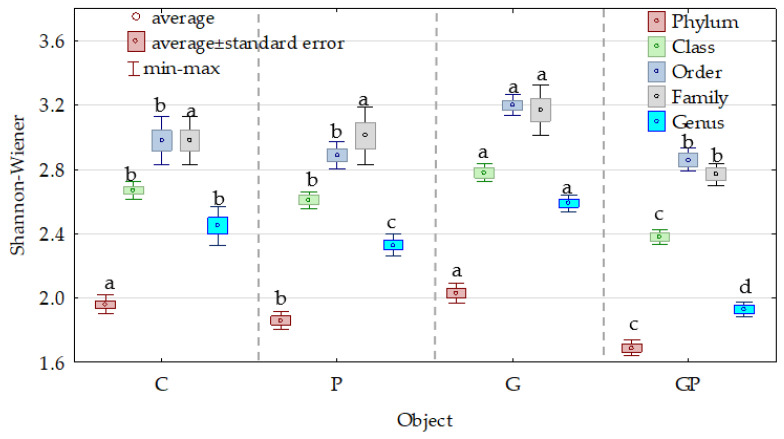
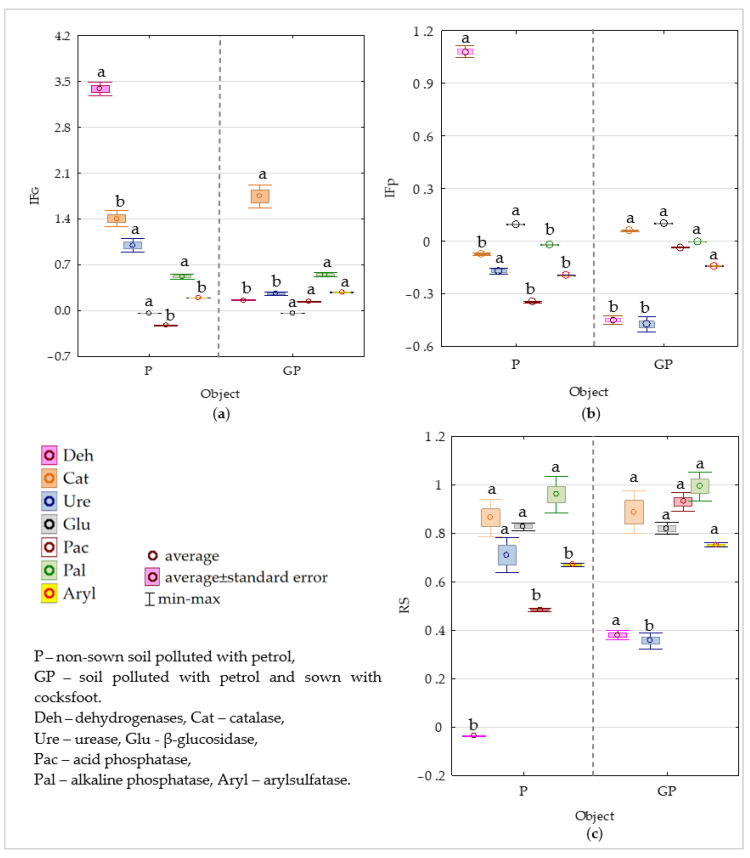
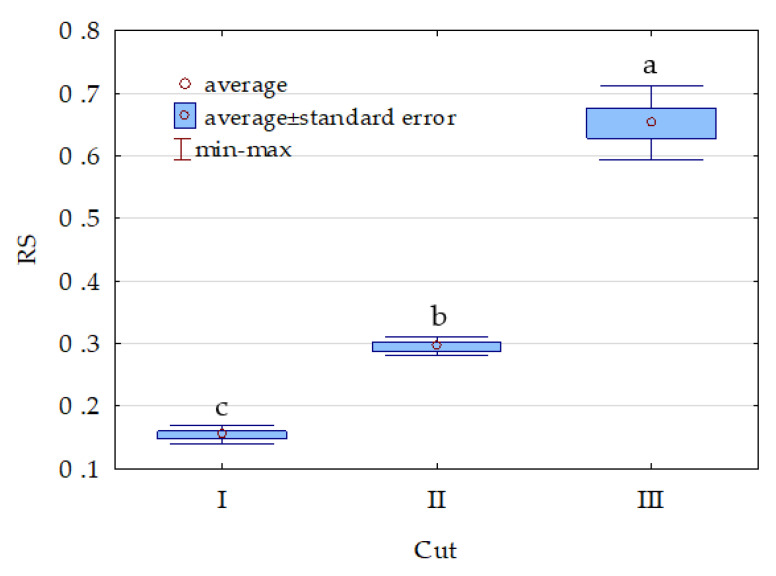
The pollution of arable lands and water with petroleum-derived products is still a valid problem, mainly due the extensive works aimed to improve their production technology to reduce fuel consumption and protect engines. An example of the upgraded fuels is the BP 98 unleaded petrol with Active technology. A pot experiment was carried out in which Eutric Cambisol soil was polluted with petrol to determine its effect on the microbiological and biochemical properties of this soil. Analyses were carried out to determine soil microbiome composition-with the incubation and metagenomic methods, the activity of seven enzymes, and cocksfoot effect on hydrocarbon degradation. The following indices were determined: colony development index (CD); ecophysiological diversity index (EP); index of cocksfoot effect on soil microorganisms and enzymes (IFG); index of petrol effect on soil microorganisms and enzymes (IFP); index of the resistance of microorganisms, enzymes, and cocksfoot to soil pollution with petrol (RS); Shannon-Weaver's index of bacterial taxa diversity (H); and Shannon-Weaver's index of hydrocarbon degradation (IDH). The soil pollution with petrol was found to increase population numbers of bacteria and fungi, and Protebacteria phylum abundance as well as to decrease the abundance of Actinobacteria and Acidobacteria phyla. The cultivation of cocksfoot on the petrol-polluted soil had an especially beneficial effect mainly on the bacteria belonging to the Ramlibacter, Pseudoxanthomonas, Mycoplana, and Sphingobium genera. The least susceptible to the soil pollution with petrol and cocksfoot cultivation were the bacteria of the following genera: Kaistobacter, Rhodoplanes, Bacillus, Streptomyces, Paenibacillus, Phenylobacterium, and Terracoccus. Cocksfoot proved effective in the phytoremediation of petrol-polluted soil, as it accelerated hydrocarbon degradation and increased the genetic diversity of bacteria. It additionally enhanced the activities of soil enzymes.
Keywords: degradation hydrocarbons; microbial diversity; petrol; phytoremediation; soil; soil enzymes.
Conflict of interest statement
The authors declare no conflict of interest. The funders had no role in the design of the study; in the collection, analyses, or interpretation of data; in the writing of the manuscript, or in the decision to publish the results.
Figures
References
-
- Erisman J.W., van Eekeren N., De Wit J., Koopmans C.J., Cuijpers W.J.M., Oerlemans N., Koks B. Agriculture and biodiversity: A better balance benefits both. AIMS Agric. Food. 2016;1:157–174. doi: 10.3934/agrfood.2016.2.157. - DOI
-
- Huera-Lucero T., Labrador-Moreno J., Blanco-Salas J., Ruiz-Téllez T. A framework to incorporate biological soil quality indicators into assessing the sustainability of territories in the Ecuadorian Amazon. Sustainability. 2020;12:3007. doi: 10.3390/su12073007. - DOI
-
- Odukoya J., Lambert R., Sakrabani R. Understanding the impacts of crude oil and its induced abiotic stresses on agrifood production: A Review. Horticulturae. 2019;5:47. doi: 10.3390/horticulturae5020047. - DOI
-
- Kumar A., Kumar A., da Silva Cabral Pinto M.-M., Chaturvedi A.K., Shabnam A.A., Subrahmanyam G., Mondal R., Gupta D.K., Malyan S.K., Kumar S.S., et al. Lead toxicity: Health hazards, influence on food chain, and sustainable remediation approaches. Int. J. Environ. Res. Public Health. 2020;17:2179. doi: 10.3390/ijerph17072179. - DOI - PMC - PubMed
MeSH terms
Substances
Grants and funding
LinkOut - more resources
Full Text Sources
Medical
Miscellaneous
