


Small Molecules of Marine Origin as Potential Anti-Glioma Agents
- PMID: 34063013
- PMCID: PMC8124757
- DOI: 10.3390/molecules26092707
Small Molecules of Marine Origin as Potential Anti-Glioma Agents
Abstract
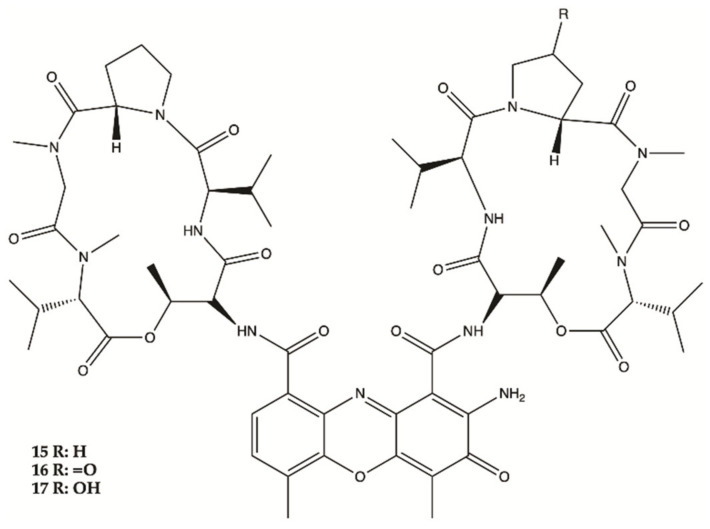
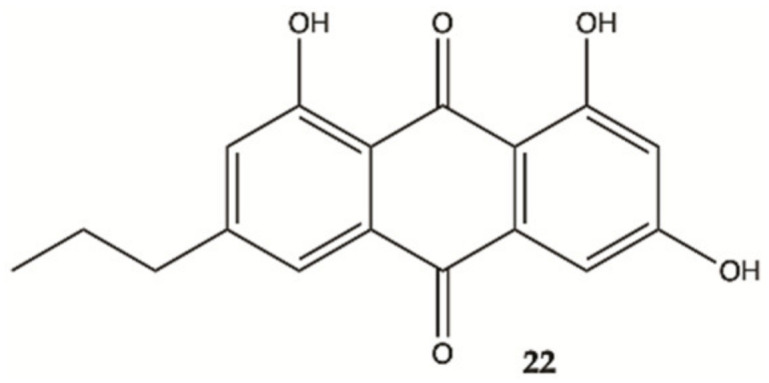
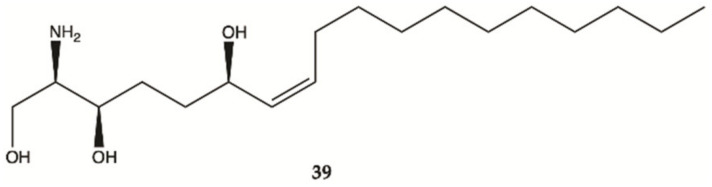
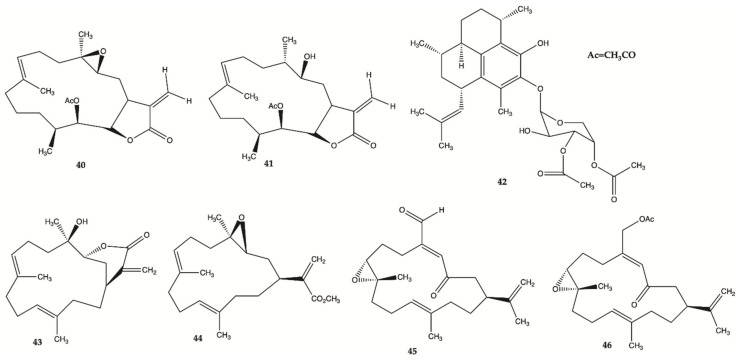
Marine organisms are able to produce a plethora of small molecules with novel chemical structures and potent biological properties, being a fertile source for discovery of pharmacologically active compounds, already with several marine-derived agents approved as drugs. Glioma is classified by the WHO as the most common and aggressive form of tumor on CNS. Currently, Temozolomide is the only chemotherapeutic option approved by the FDA even though having some limitations. This review presents, for the first time, a comprehensive overview of marine compounds described as anti-glioma agents in the last decade. Nearly fifty compounds were compiled in this document and organized accordingly to their marine sources. Highlights on the mechanism of action and ADME properties were included. Some of these marine compounds could be promising leads for the discovery of new therapeutic alternatives for glioma treatment.
Keywords: drug discovery; glioma; marine compound.
Conflict of interest statement
The authors declare no conflict of interest.
Figures








References
-
- World Health Organization Cancer. [(accessed on 18 October 2020)]; Available online: https://www.who.int/news-room/fact-sheets/detail/cancer.
-
- Louis D.N., Perry A., Reifenberger G., von Deimling A., Figarella-Branger D., Cavenee W.K., Ohgaki H., Wiestler O.D., Kleihues P., Ellison D.W. The 2016 World Health Organization Classification of Tumors of the Central Nervous System: A summary. Acta Neuropathol. 2016;131:803–820. doi: 10.1007/s00401-016-1545-1. - DOI - PubMed
Publication types
MeSH terms
Substances
Grants and funding
LinkOut - more resources
Full Text Sources
