


Therapeutic Effect and Mechanisms of Essential Oils in Mood Disorders: Interaction between the Nervous and Respiratory Systems
- PMID: 34063646
- PMCID: PMC8125361
- DOI: 10.3390/ijms22094844
Therapeutic Effect and Mechanisms of Essential Oils in Mood Disorders: Interaction between the Nervous and Respiratory Systems
Abstract
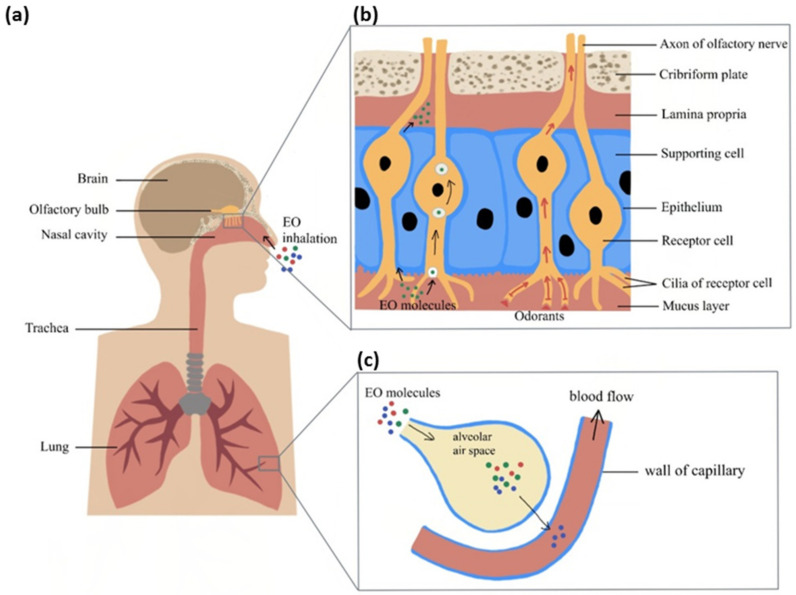
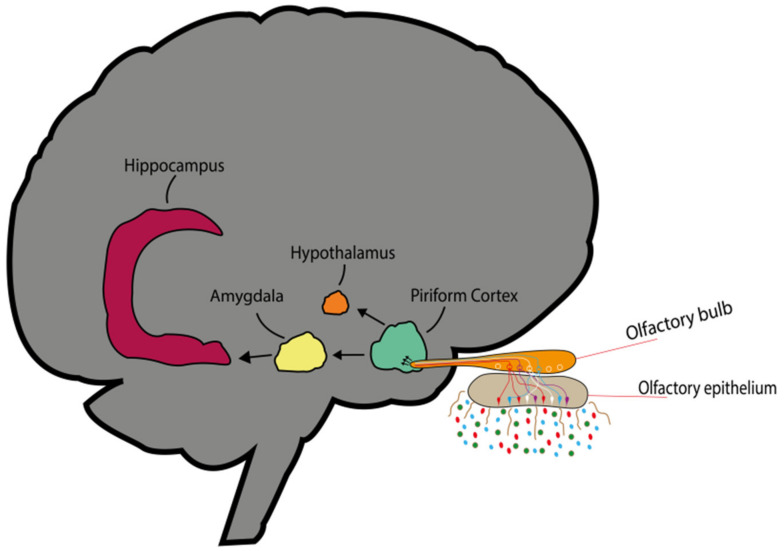
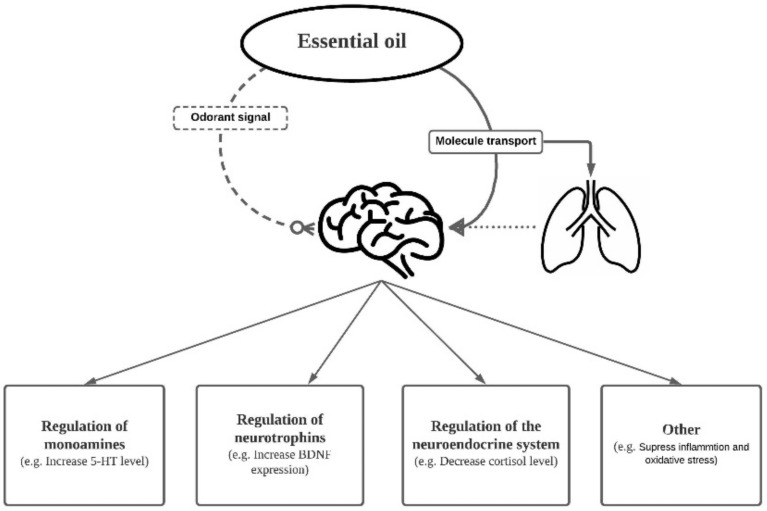
Essential oils (EOs) are extracted from plants and contain active components with therapeutic effects. Evidence shows that various types of EOs have a wide range of health benefits. In our previous studies, the potential of lavender EO for prevention and even treatment of depression and anxiety symptoms was demonstrated. The favourable outcomes may be due to multiple mechanisms, including the regulation of monoamine level, the induction of neurotrophic factor expression, the regulation of the endocrine system and the promotion of neurogenesis. The molecules of EOs may reach the brain and exert an effect through two distinctive pathways, namely, the olfactory system and the respiratory system. After inhalation, the molecules of the EOs would either act directly on the olfactory mucosa or pass into the respiratory tract. These two delivery pathways suggest different underlying mechanisms of action. Different sets of responses would be triggered, such as increased neurogenesis, regulation of hormonal levels, activation of different brain regions, and alteration in blood biochemistry, which would ultimately affect both mood and emotion. In this review, we will discuss the clinical effects of EOs on mood regulation and emotional disturbances as well as the cellular and molecular mechanisms of action. Emphasis will be put on the interaction between the respiratory and central nervous system and the involved potential mechanisms. Further evidence is needed to support the use of EOs in the clinical treatment of mood disturbances. Exploration of the underlying mechanisms may provide insight into the future therapeutic use of EO components treatment of psychiatric and physical symptoms.
Keywords: anti-depression; anxiolytic; essential oil; inhalation therapy.
Conflict of interest statement
The authors declare no conflict of interest.
Figures
References
-
- Jaradat N.A., Al Zabadi H., Rahhal B., Hussein A.M., Mahmoud J.S., Mansour B., Khasati A.I., Issa A. The effect of inhalation of Citrus sinensis flowers and Mentha spicata leave essential oils on lung function and exercise performance: A quasi-experimental uncontrolled before-and-after study. J. Int. Soc. Sports Nutr. 2016;13:36. doi: 10.1186/s12970-016-0146-7. - DOI - PMC - PubMed
-
- De Groot A.C., Schmidt E. Essential Oils, Part III: Chemical Composition. Dermatitis. 2016;27:161–169. - PubMed
Publication types
MeSH terms
Substances
LinkOut - more resources
Full Text Sources
Medical
