


The Role of Fatty Acids in Ceramide Pathways and Their Influence on Hypothalamic Regulation of Energy Balance: A Systematic Review
- PMID: 34069652
- PMCID: PMC8160791
- DOI: 10.3390/ijms22105357
The Role of Fatty Acids in Ceramide Pathways and Their Influence on Hypothalamic Regulation of Energy Balance: A Systematic Review
Abstract
Obesity is a global health issue for which no major effective treatments have been well established. High-fat diet consumption is closely related to the development of obesity because it negatively modulates the hypothalamic control of food intake due to metaflammation and lipotoxicity. The use of animal models, such as rodents, in conjunction with in vitro models of hypothalamic cells, can enhance the understanding of hypothalamic functions related to the control of energy balance, thereby providing knowledge about the impact of diet on the hypothalamus, in addition to targets for the development of new drugs that can be used in humans to decrease body weight. Recently, sphingolipids were described as having a lipotoxic effect in peripheral tissues and the central nervous system. Specifically, lipid overload, mainly from long-chain saturated fatty acids, such as palmitate, leads to excessive ceramide levels that can be sensed by the hypothalamus, triggering the dysregulation of energy balance control. However, no systematic review has been undertaken regarding studies of sphingolipids, particularly ceramide and sphingosine-1-phosphate (S1P), the hypothalamus, and obesity. This review confirms that ceramides are associated with hypothalamic dysfunction in response to metaflammation, endoplasmic reticulum (ER) stress, and lipotoxicity, leading to insulin/leptin resistance. However, in contrast to ceramide, S1P appears to be a central satiety factor in the hypothalamus. Thus, our work describes current evidence related to sphingolipids and their role in hypothalamic energy balance control. Hypothetically, the manipulation of sphingolipid levels could be useful in enabling clinicians to treat obesity, particularly by decreasing ceramide levels and the inflammation/endoplasmic reticulum stress induced in response to overfeeding with saturated fatty acids.
Keywords: central nervous system; lipotoxicity; sphingolipids.
Conflict of interest statement
The authors declare no conflict of interest.
Figures
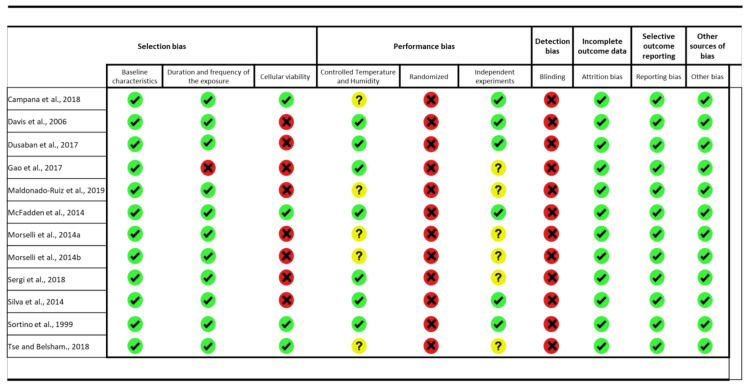
 = high reliability,
  = not clear,
  = low reliability.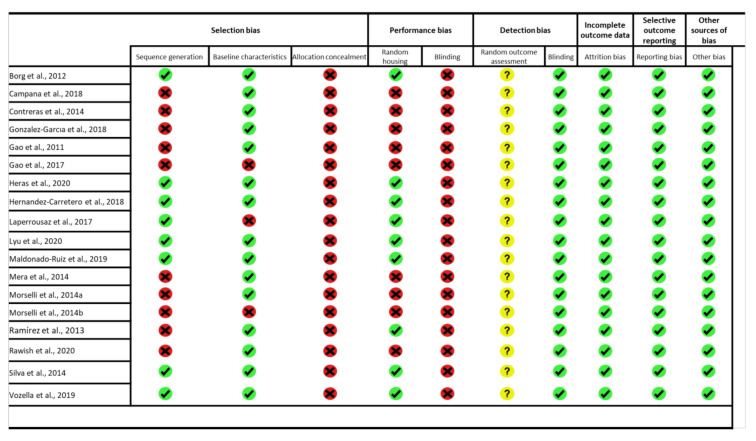
 = high reliability,
  = not clear,
  = low reliability.
References
-
- De Sales-Peres S.H.C., Azevedo-Silva L.J., Bonato R.C.S., Sales-Peres M.D.C., da Pinto A.C.S., Junior J.F.S. Coronavirus (SARS-CoV-2) and the Risk of Obesity for Critically Illness and ICU Admitted: Meta-Analysis of the Epidemiological Evidence. Obes. Res. Clin. Pract. 2020;14:389–397. doi: 10.1016/j.orcp.2020.07.007. - DOI - PMC - PubMed
Publication types
MeSH terms
Substances
Grants and funding
LinkOut - more resources
Full Text Sources
