


Pressure Algometry Evaluation of Two Occlusal Splint Designs in Bruxism Management-Randomized, Controlled Clinical Trial
- PMID: 34071832
- PMCID: PMC8198302
- DOI: 10.3390/jcm10112342
Pressure Algometry Evaluation of Two Occlusal Splint Designs in Bruxism Management-Randomized, Controlled Clinical Trial
Abstract
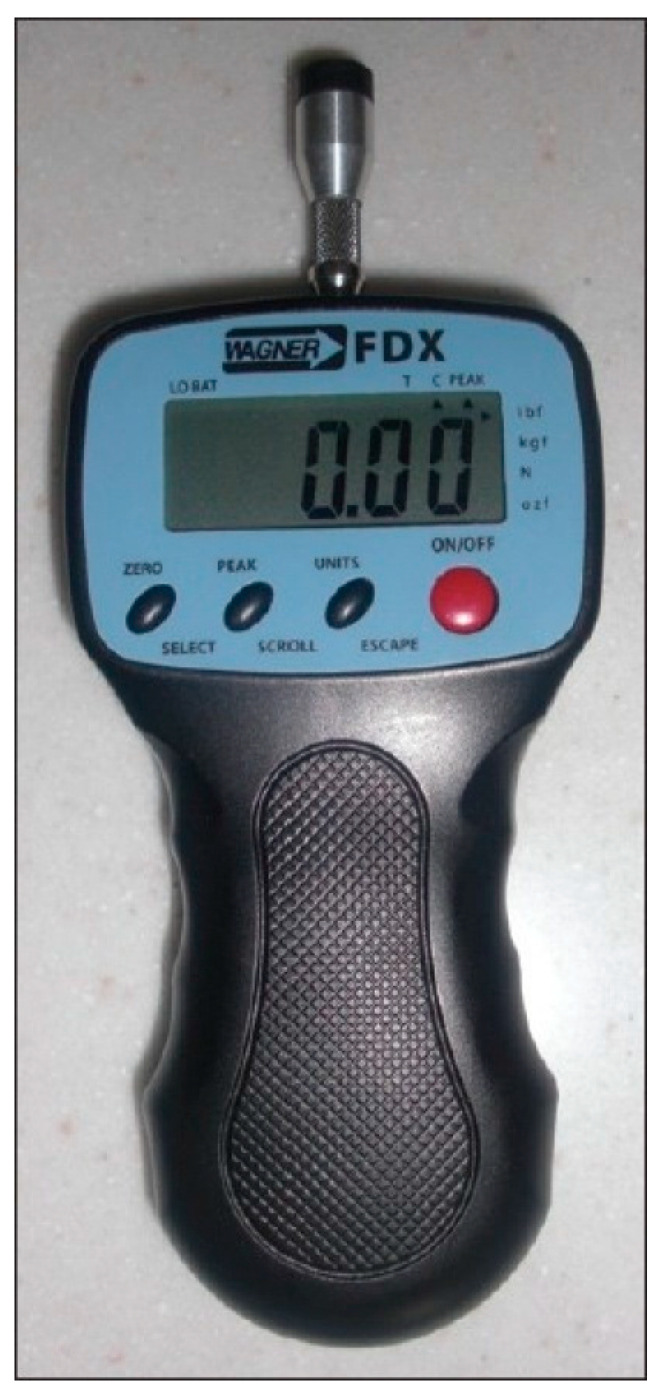
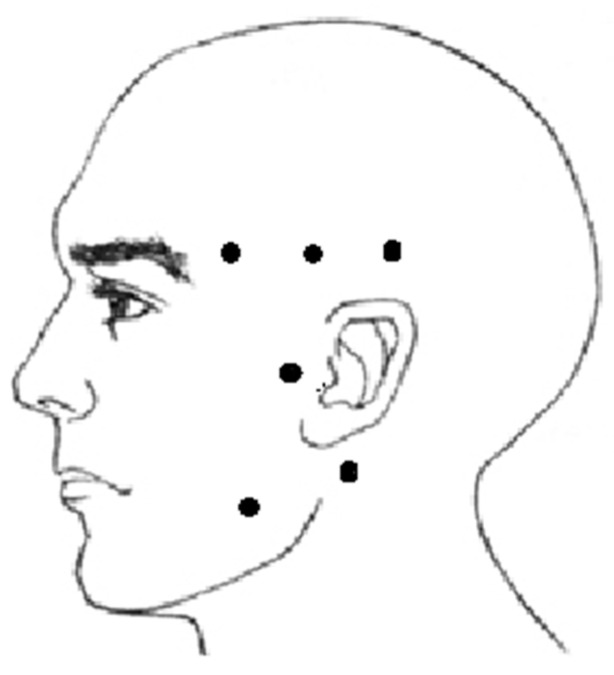
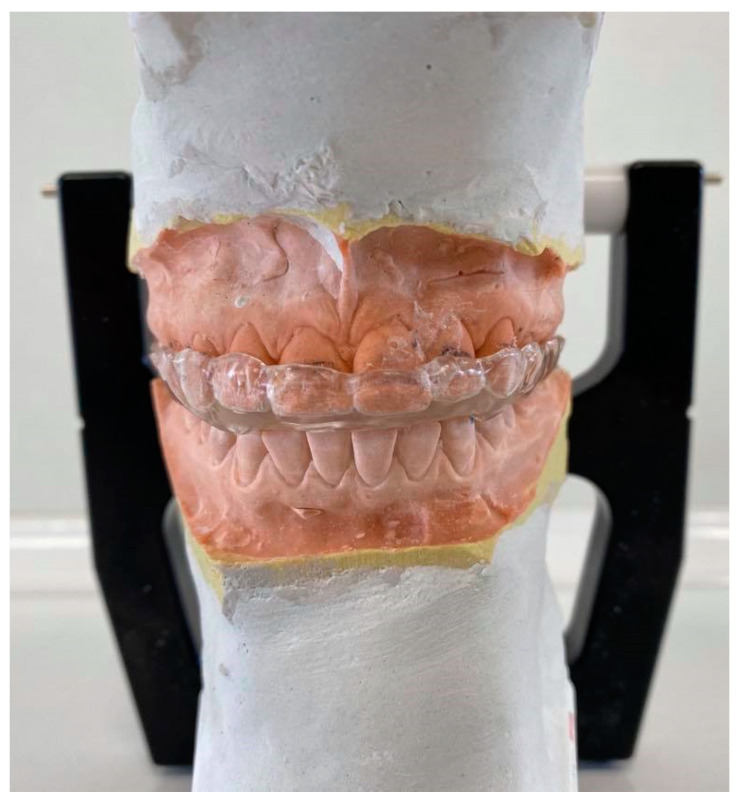
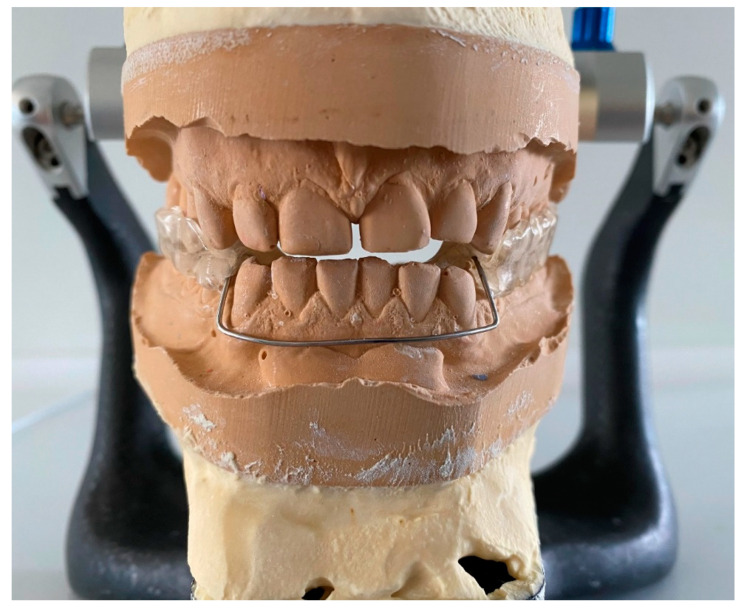
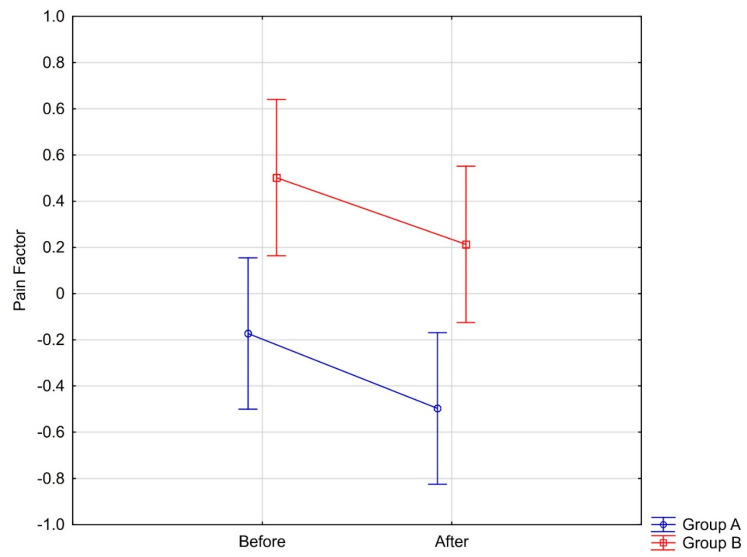
The aim of this pilot study was to evaluate the short-term effectiveness of two different occlusal devices and their impact on the pressure pain threshold (PPT) values among patients who reported to the Dental Prosthetics Outpatient Clinic of Pomeranian Medical University (Szczecin, Poland) and who were diagnosed with probable bruxism. Two groups were formed (A and B) to which patients were assigned randomly. Each group used a different occlusal splint for bruxism management. The occlusal appliance by Okeson, or the bimaxillary splint, was used overnight by each patient for 30 days of the study. The PPT was measured twice, at the first visit and after 30 days of using each occlusal device, with Wagner Paintest FPX 25 algometer. Bruxism was diagnosed based on data from the patient's medical history and from the physical examination. Nocturnal Bruxism Criteria according to the International Classification of Sleep Disorders (Third Edition) was used for the patient's evaluation. Results: similar pain factor (PF) reduction was observed in both the examined groups, regardless of the device used; canine guidance and no guidance were similarly effective in terms of increasing pain resilience.
Keywords: TMD; algometer; bruxism; canine guidance; clenching; grinding; masseter; masticatory muscle; occlusal appliance; pressure pain threshold; sleep disorder; splint; temporalis.
Conflict of interest statement
The authors declare no conflict of interest.
Figures
References
-
- Bernhardt O., Gesch D., Splieth C., Schwahn C., Mack F., Kocher T., Meyer G., John U., Kordass B. Risk factors for high occlusal wear scores in a population-based sample: Results of the Study of Health in Pomerania (SHIP) Int. J. Prosthodont. 2004;17:333–339. - PubMed
LinkOut - more resources
Full Text Sources
Medical
