


Metabolic Alterations in Sepsis
- PMID: 34072402
- PMCID: PMC8197843
- DOI: 10.3390/jcm10112412
Metabolic Alterations in Sepsis
Abstract
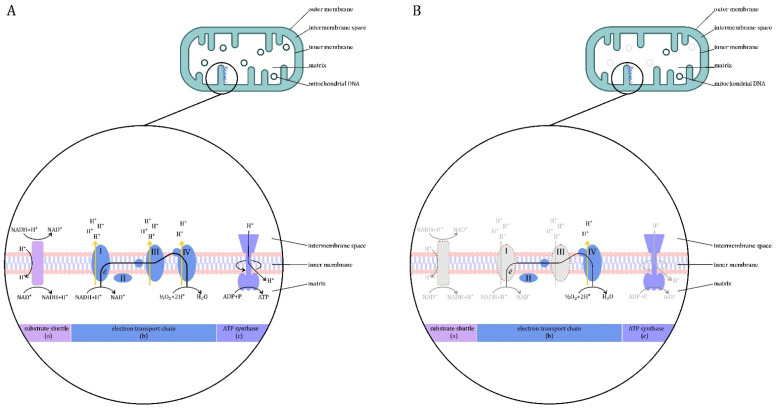
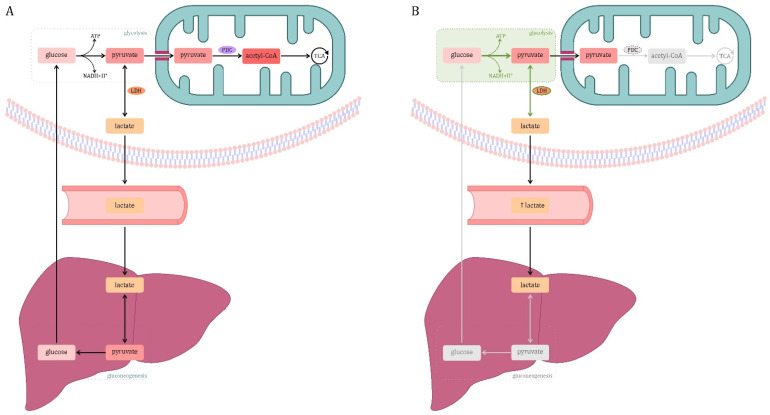
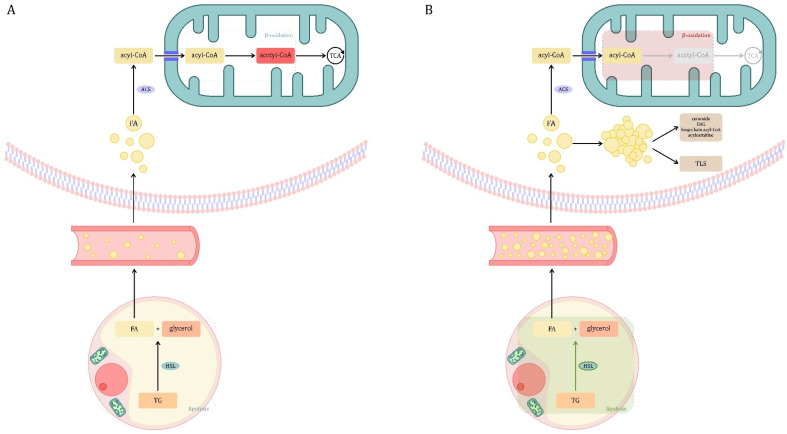
Sepsis is defined as "life-threatening organ dysfunction caused by a dysregulated host response to infection". Contrary to the older definitions, the current one not only focuses on inflammation, but points to systemic disturbances in homeostasis, including metabolism. Sepsis leads to sepsis-induced dysfunction and mitochondrial damage, which is suggested as a major cause of cell metabolism disorders in these patients. The changes affect the metabolism of all macronutrients. The metabolism of all macronutrients is altered. A characteristic change in carbohydrate metabolism is the intensification of glycolysis, which in combination with the failure of entering pyruvate to the tricarboxylic acid cycle increases the formation of lactate. Sepsis also affects lipid metabolism-lipolysis in adipose tissue is upregulated, which leads to an increase in the level of fatty acids and triglycerides in the blood. At the same time, their use is disturbed, which may result in the accumulation of lipids and their toxic metabolites. Changes in the metabolism of ketone bodies and amino acids have also been described. Metabolic disorders in sepsis are an important area of research, both for their potential role as a target for future therapies (metabolic resuscitation) and for optimizing the current treatment, such as clinical nutrition.
Keywords: critical illness; intensive care; metabolic disorders; metabolism; mitochondria; sepsis; septic shock.
Conflict of interest statement
The authors declare no conflict of interest.
Figures
References
-
- Singer M., Deutschman C.S., Seymour C.W., Shankar-Hari M., Annane D., Bauer M., Bellomo R., Bernard G.R., Chiche J.D., Coopersmith C.M., et al. The third international consensus definitions for sepsis and septic shock (sepsis-3) JAMA. 2016;315:801–810. doi: 10.1001/jama.2016.0287. - DOI - PMC - PubMed
-
- Carré J., Singer M., Moncada S. Nitric Oxide. In: Abraham E., Singer M., editors. Mechanisms of Sepsis-Induced Organ Dysfunction and Recovery. Springer; Berlin/Heidelberg, Germany: New York, NY, USA: 2007. pp. 77–95.
Publication types
LinkOut - more resources
Full Text Sources
