


Recycled Cellulose Fiber Reinforced Plaster
- PMID: 34072982
- PMCID: PMC8198119
- DOI: 10.3390/ma14112986
Recycled Cellulose Fiber Reinforced Plaster
Abstract
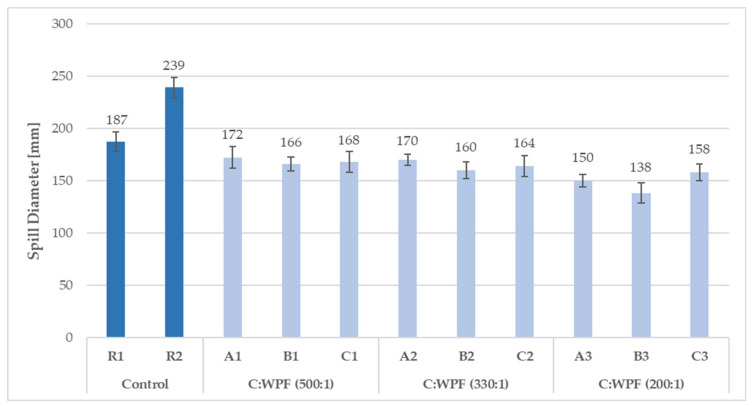
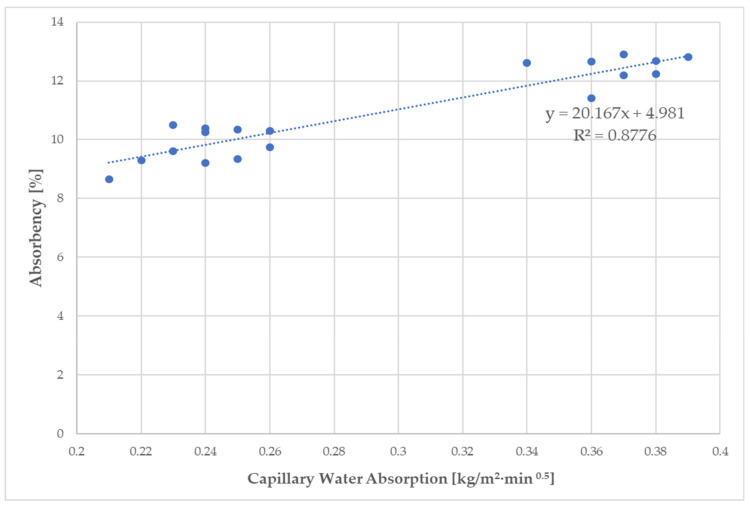
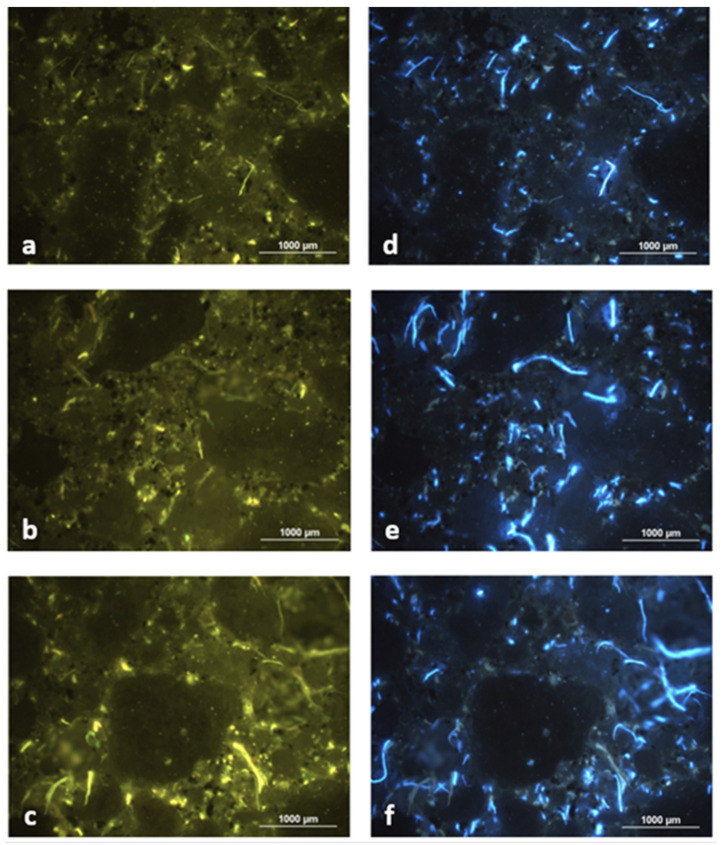
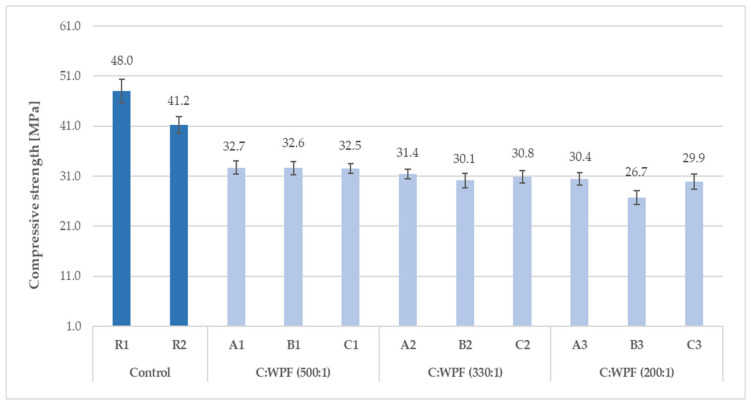
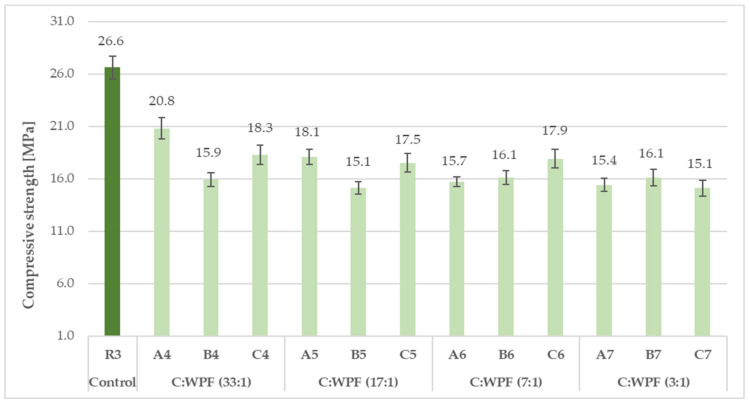
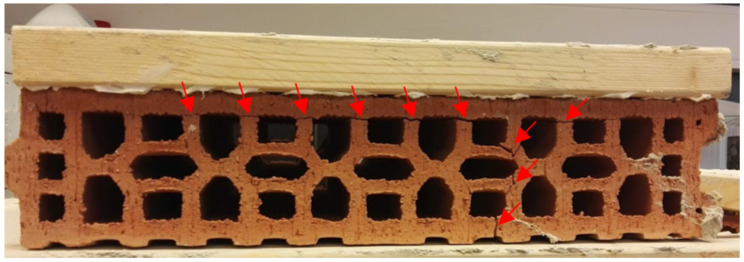
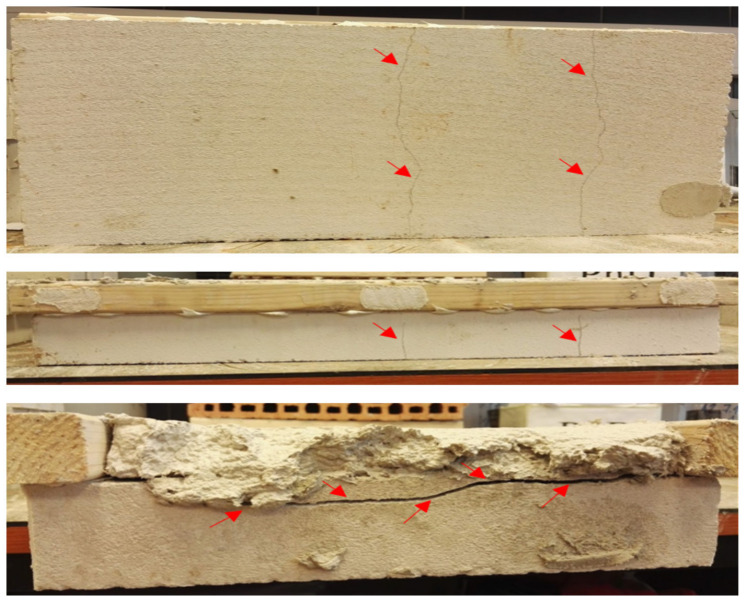
This paper aims to develop recycled fiber reinforced cement plaster mortar with a good workability of fresh mixture, and insulation, mechanical and adhesive properties of the final hardened product for indoor application. The effect of the incorporation of different portions of three types of cellulose fibers from waste paper recycling into cement mortar (cement/sand ratio of 1:3) on its properties of workability, as well as other physical and mechanical parameters, was studied. The waste paper fiber (WPF) samples were characterized by their different cellulose contents, degree of polymerization, and residues from paper-making. The cement to waste paper fiber mass ratios (C/WPF) ranged from 500:1 to 3:1, and significantly influenced the consistency, bulk density, thermal conductivity, water absorption behavior, and compressive and flexural strength of the fiber-cement mortars. The workability tests of the fiber-cement mortars containing less than 2% WPF achieved optimal properties corresponding to plastic mortars (140-200 mm). The development of dry bulk density and thermal conductivity values of 28-day hardened fiber-cement mortars was favorable with a declining C/WPF ratio, while increasing the fiber content in cement mortars led to a worsening of the water absorption behavior and a lower mechanical performance of the mortars. These key findings were related to a higher porosity and weaker adhesion of fibers and cement particles at the matrix-fiber interface. The adhesion ability of fiber-cement plastering mortar based on WPF samples with the highest cellulose content as a fine filler and two types of mixed hydraulic binder (cement with finely ground granulated blast furnace slag and natural limestone) on commonly used substrates, such as brick and aerated concrete blocks, was also investigated. The adhesive strength testing of these hardened fiber-cement plaster mortars on both substrates revealed lime-cement mortar to be more suitable for fine plaster. The different behavior of fiber-cement containing finely ground slag manifested in a greater depth of the plaster layer failure, crack formation, and in greater damage to the cohesion between the substrate and mortar for the observed time.
Keywords: adhesive strength; fiber-cement plaster mortar; granulated blast furnace slag; limestone; physical and mechanical performance; waste paper fiber.
Conflict of interest statement
The authors declare no conflict of interest.
Figures
References
-
- Ellen MacArthur Foundation Towards the Circular Economy. Economic and Business Rationale for an Accelerated Transition. [(accessed on 3 May 2021)];2013 Available online: https://www.ellenmacarthurfoundation.org/assets/downloads/publications/E....
-
- Shiny Brintha G., Sakthieswaran N. Improving the performance of concrete by adding industrial by products as partial replacement for binder and fine aggregate. Int. J. Adv. Eng. 2016;7:932–936.
-
- Gholampour A., Ozbakkaloglu T. A review of natural fiber composites: Properties, modification and processing techniques, characterization, applications. J. Mater. Sci. 2020;55:829–892. doi: 10.1007/s10853-019-03990-y. - DOI
-
- Madurwar M.V., Ralegaonkar R.V., Mandavgane S.A. Application of agro-waste for sustainable construction materials: A review. Constr. Build. Mater. 2013;38:872–878. doi: 10.1016/j.conbuildmat.2012.09.011. - DOI
-
- Yan L., Kasal B., Huang L. A review of recent research on the use of cellulosic fibres, their fibre fabric reinforced cementitious, geo-polymer and polymer composites in civil engineering. Compos. B Eng. 2016;92:94–132. doi: 10.1016/j.compositesb.2016.02.002. - DOI
Grants and funding
LinkOut - more resources
Full Text Sources
Research Materials
