Review
. 2021 Nov;18(11):763-773.
doi: 10.1038/s41569-021-00561-0. Epub 2021 Jun 2.

Social determinants of atrial fibrillation

Affiliations
Review

Social determinants of atrial fibrillation

Utibe R Essien et al. Nat Rev Cardiol. 2021 Nov.

Abstract

Atrial fibrillation affects almost 60 million adults worldwide. Atrial fibrillation is associated with a high risk of cardiovascular morbidity and death as well as with social, psychological and economic burdens on patients and their families. Social determinants - such as race and ethnicity, financial resources, social support, access to health care, rurality and residential environment, local language proficiency and health literacy - have prominent roles in the evaluation, treatment and management of atrial fibrillation. Addressing the social determinants of health provides a crucial opportunity to reduce the substantial clinical and non-clinical complications associated with atrial fibrillation. In this Review, we summarize the contributions of social determinants to the patient experience and outcomes associated with this common condition. We emphasize the relevance of social determinants and their important intersection with atrial fibrillation treatment and outcomes. In closing, we identify gaps in the literature and propose future directions for the investigation of social determinants and atrial fibrillation.


Figures

Fig. 1 |
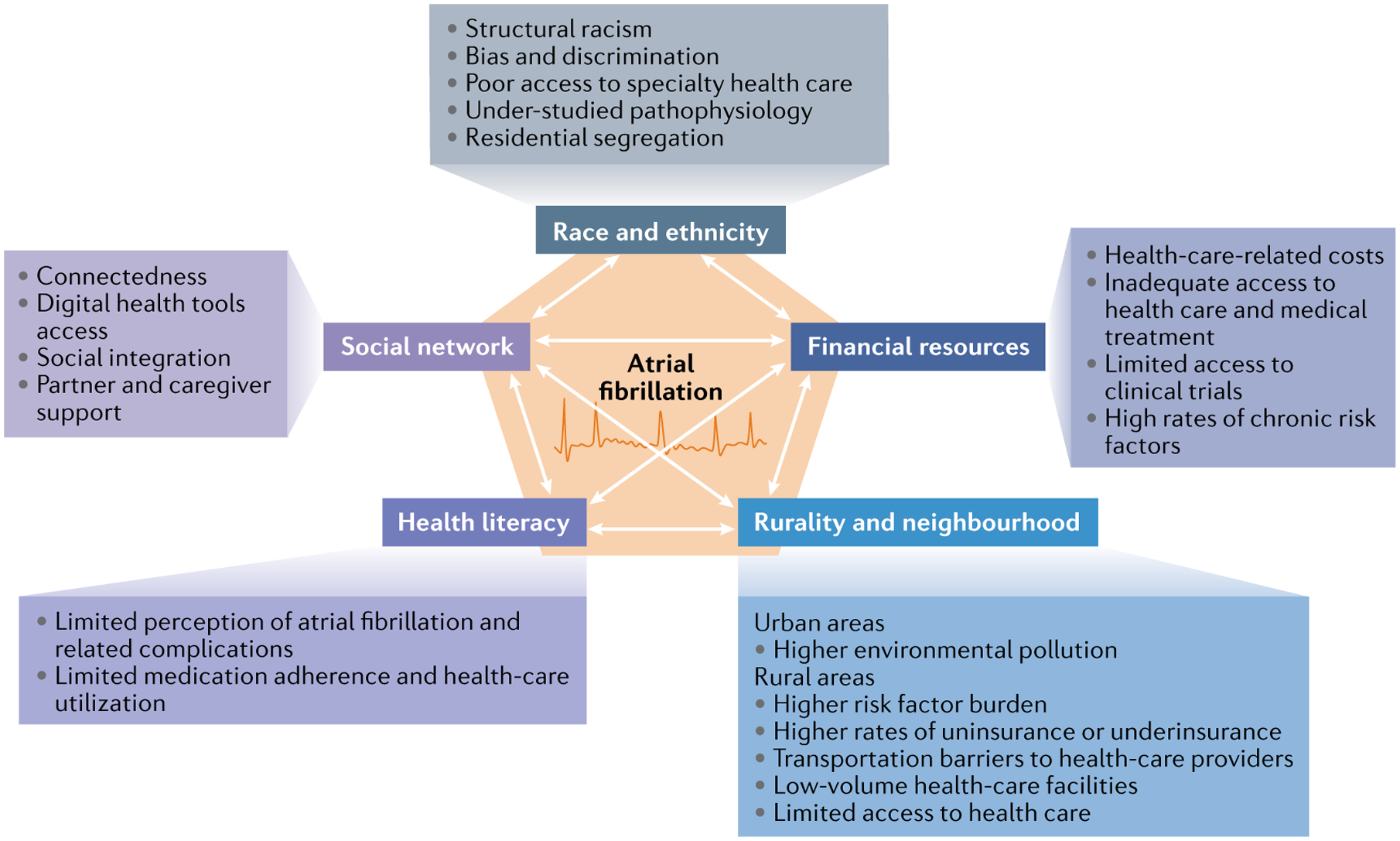
Fig. 1 |. Social determinants of atrial fibrillation.
The figure represents the broad, interconnected social determinants and the proposed mechanisms by which they might influence atrial fibrillation incidence, treatment and outcomes. These social determinants include race and ethnicity, financial resources, rurality and neighbourhood residence, health literacy and social networks.
Fig. 2 |
Fig. 2 |. Determinants of racial and ethnic inequities across the atrial fibrillation care continuum.
The figure represents where inequities in racial and ethnic groups under-represented in medicine affect the continuum of atrial fibrillation (AF) development and management. These inequities include high prevalence of risk factors for AF, poor awareness and detection of AF, low access to AF treatment and a high prevalence of AF-related complications.
Fig. 3 |
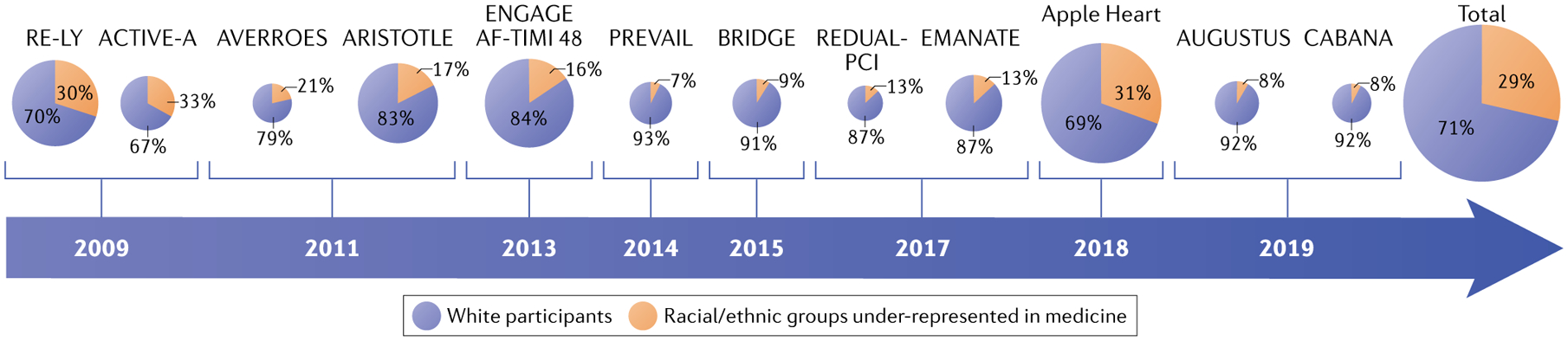
Fig. 3 |. Racial/ethnic representation in clinical trials and observational studies of atrial fibrillation.
Chart illustrating the proportion of white participants (blue) versus participants from racial and ethnic groups under-represented in medicine (orange) in clinical trials and observational studies of atrial fibrillation and anticoagulation conducted internationally between 2009 and 2019 (REFS,,–). The year of publication of the study is shown in the arrow. The sizes of the individual pie charts indicate the relative overall size of the trial or study, except for the total chart.
Fig. 4 |
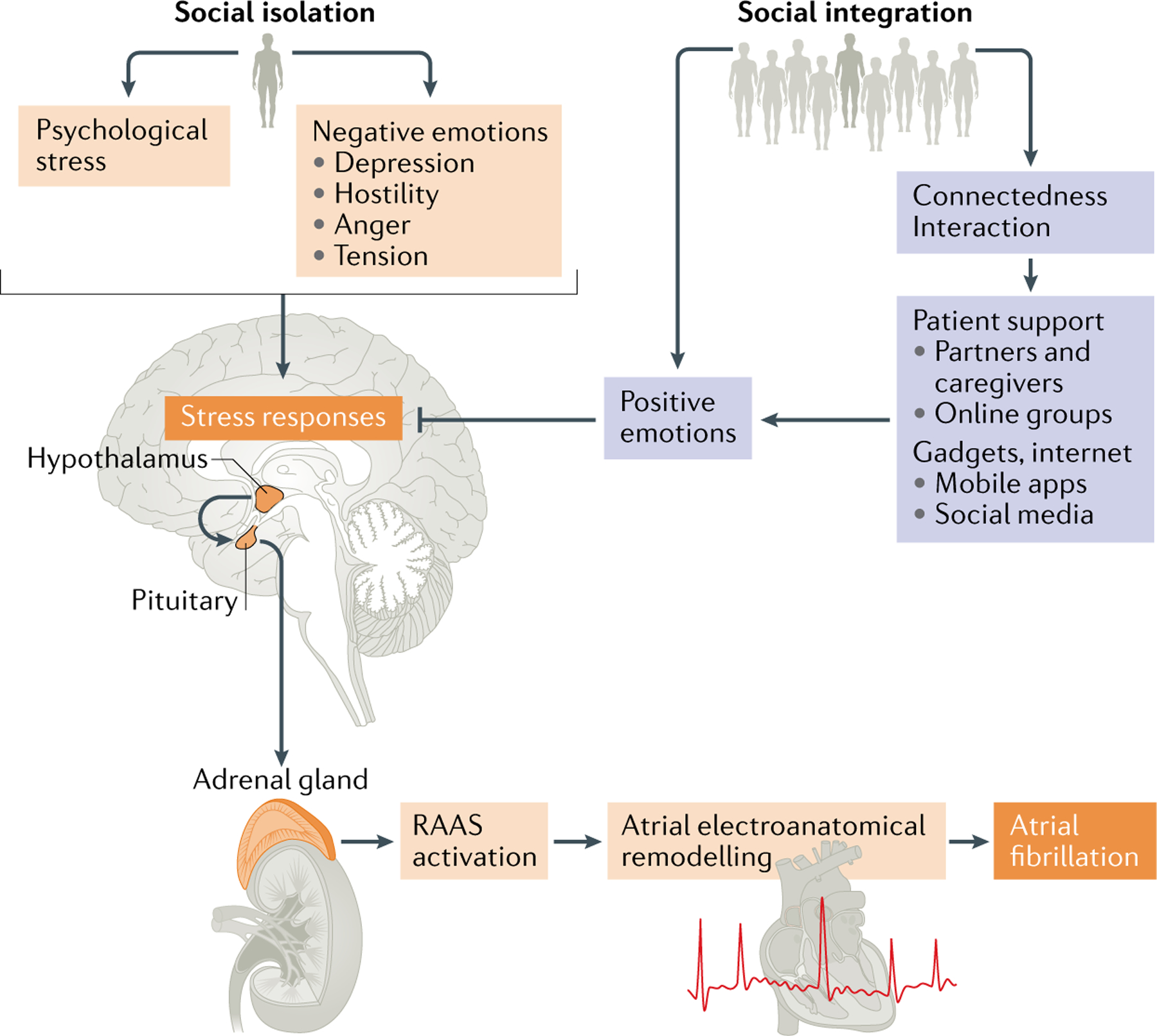
Fig. 4 |. Proposed framework for the role of social networks and social support in atrial fibrillation.
The figure illustrates the pathways through which social isolation and social integration might act to influence atrial fibrillation symptoms and outcomes. Psychological stress has a role in atrial fibrillation initiation through the activation of the autonomic nervous system, hypothalamus–pituitary–adrenal axis and the renin–angiotensin–aldosterone system (RAAS), which might contribute to atrial remodelling. The chain of reactions caused by stress could be attenuated by positive emotions, including those invoked by improved patient support and access to diverse social networks.
Fig. 5 |
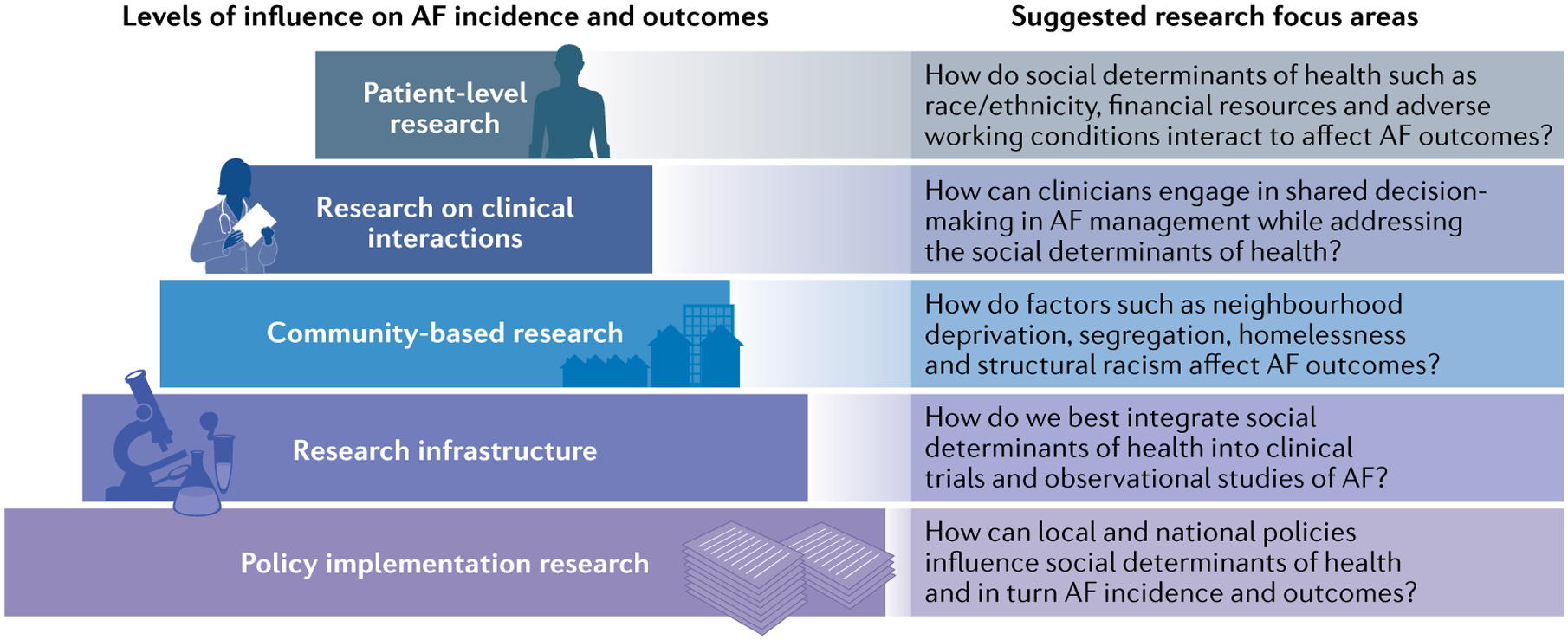
Fig. 5 |. Future directions for research on social determinants of atrial fibrillation.
The represented framework emphasizes the separate, yet overlapping, levels of research needed to understand how social determinants of health influence atrial fibrillation (AF) incidence, treatment and outcomes. The levels include: the intrapersonal, patient-level; interpersonal clinical interactions; community level; and broader infrastructure influences on the health of individuals and populations, including research infrastructure and policy implementation. The figure offers a systematic approach to future research as well as suggested focus areas.

References

    1. Roth GA et al. Global burden of cardiovascular diseases and risk factors, 1990–2019: update from the GBD 2019 Study. J. Am. Cardiol 76, 2982–3021 (2020). - PMC - PubMed
    1. Lippi G, Sanchis-Gomar F & Cervellin G Global epidemiology of atrial fibrillation: an increasing epidemic and public health challenge. Int. J. Stroke 16, 217–221 (2021). - PubMed
    1. Kornej J, Börschel CS, Benjamin EJ & Schnabel RB Epidemiology of atrial fibrillation in the 21st century: novel methods and new insights. Circ. Res 127, 4–20 (2020). - PMC - PubMed
    1. Marmot M, Friel S, Bell R, Houweling TA & Taylor S Closing the gap in a generation: health equity through action on the social determinants of health. Lancet. 372, 1661–1669 (2008). - PubMed
    1. Havranek EP et al. Social determinants of risk and outcomes for cardiovascular disease. Circulation. 132, 873–898 (2015). - PubMed

Publication types