


Negative Pressure Pulmonary Edema Related to Laryngospasm and Upper Airway Obstruction in a Patient With Treacher Collins Syndrome
- PMID: 34079650
- PMCID: PMC8159308
- DOI: 10.7759/cureus.14426
Negative Pressure Pulmonary Edema Related to Laryngospasm and Upper Airway Obstruction in a Patient With Treacher Collins Syndrome
Abstract
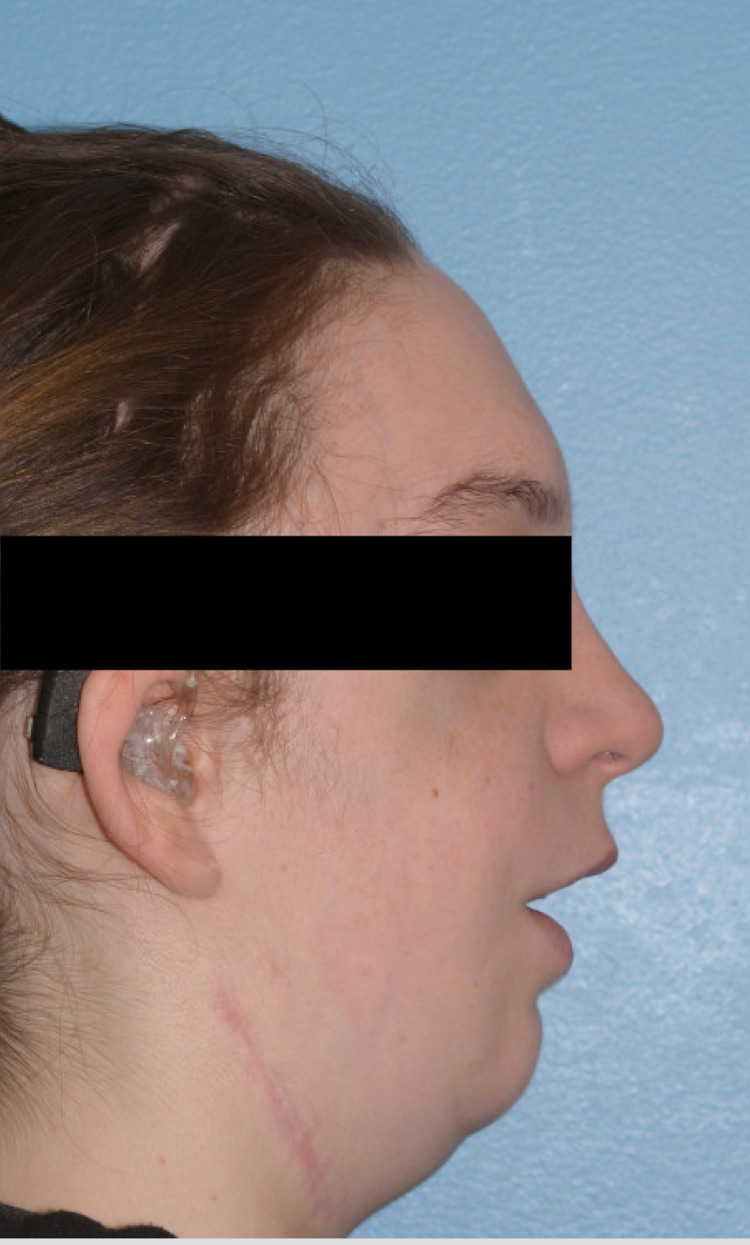
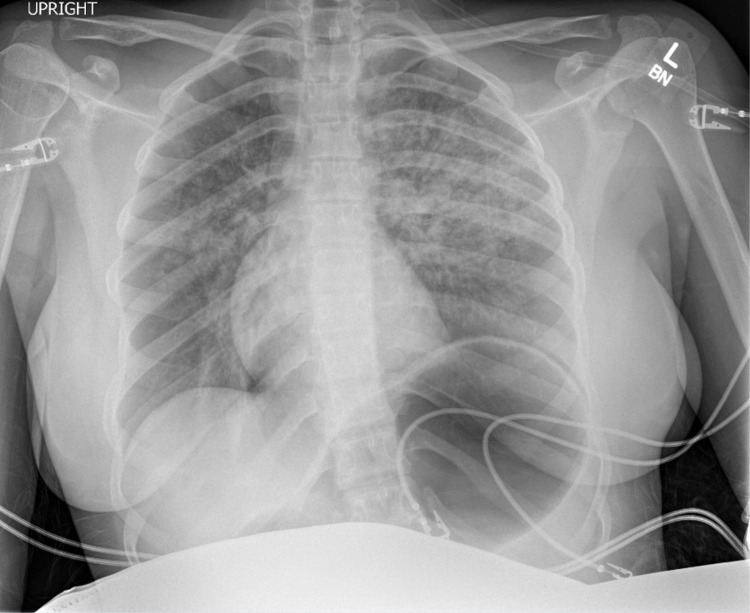
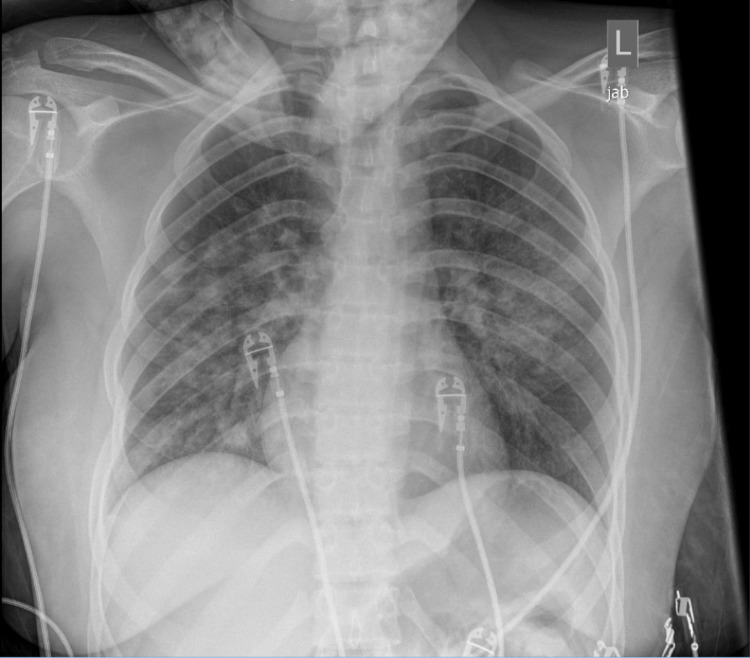
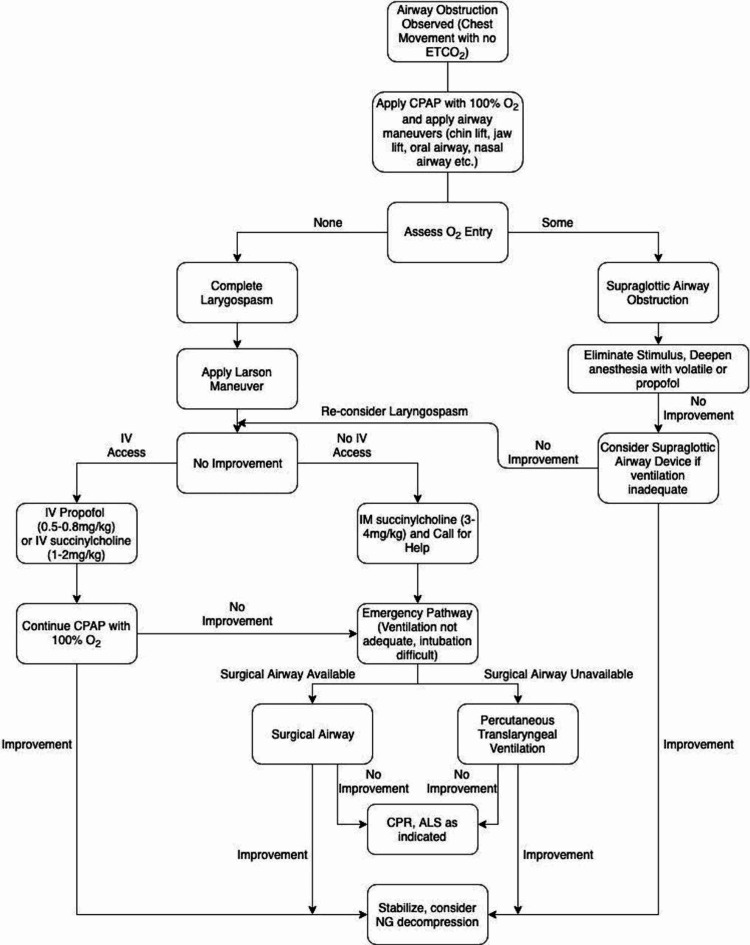
Laryngospasm is an uncommon complication of anesthesia in adults but more common in pediatric anesthesia, which could present similarly to supraglottic upper airway obstruction. The management of such airway complications is even more difficult in patients with difficult mask ventilation and intubation. Our case illustrated the management of laryngospasm and negative pressure pulmonary edema in a patient with Treacher Collins syndrome. A literature search revealed few previous similar reports. We demonstrated an algorithm to differentiate between the true laryngospasm from the supraglottic upper airway obstruction, the management of laryngospasm in patients with difficult airways, and the recognition and management of negative pressure pulmonary edema as a complication of laryngospasm.
Keywords: difficult airway algorithm; laryngospasm; negative pressure pulmonary edema; treacher-collins syndrome; upper airway obstruction.
Copyright © 2021, Cheng et al.
Conflict of interest statement
The authors have declared that no competing interests exist.
Figures
References
-
- Perioperative laryngospasm - Review of literature. D’souza N, Garg R. https://www.researchgate.net/publication/344209193_Perioperative_Laryngo... Internet J Anesth. 2009;20:1–8.
-
- Pediatric laryngospasm. Hampson-Evans D, Morgan P, Farrar M. Paediatr Anaesth. 2008;18:303–307. - PubMed
-
- Incidence and Associated Factors of Laryngospasm among Pediatric Patients Who Underwent Surgery under General Anesthesia, in University of Gondar Compressive Specialized Hospital, Northwest Ethiopia, 2019: A Cross-Sectional Study. Birlie Chekol W, Yaregal Melesse D. Anesthesiol Res Pract. 2020;2020:3706106. - PMC - PubMed
-
- Post-extubation pulmonary edema following anesthesia induced by upper airway obstruction. Are certain patients at increased risk? Lorch DG, Sahn SA. Chest. 1986;90:802–805. - PubMed
-
- Supraglottic obstruction versus true laryngospasm: the best treatment. Rajan GR. Anesthesiology. 1999;91:581. - PubMed
Publication types
LinkOut - more resources
Full Text Sources