Observational Study
. 2021 Jun 4;136(1):1-8.
doi: 10.3171/2020.10.JNS203366. Print 2022 Jan 1.

Influence of supramarginal resection on survival outcomes after gross-total resection of IDH-wild-type glioblastoma

Affiliations
Observational Study

Influence of supramarginal resection on survival outcomes after gross-total resection of IDH-wild-type glioblastoma

Tito Vivas-Buitrago et al. J Neurosurg. .

Abstract

Objective: The authors' goal was to use a multicenter, observational cohort study to determine whether supramarginal resection (SMR) of FLAIR-hyperintense tumor beyond the contrast-enhanced (CE) area influences the overall survival (OS) of patients with isocitrate dehydrogenase-wild-type (IDH-wt) glioblastoma after gross-total resection (GTR).

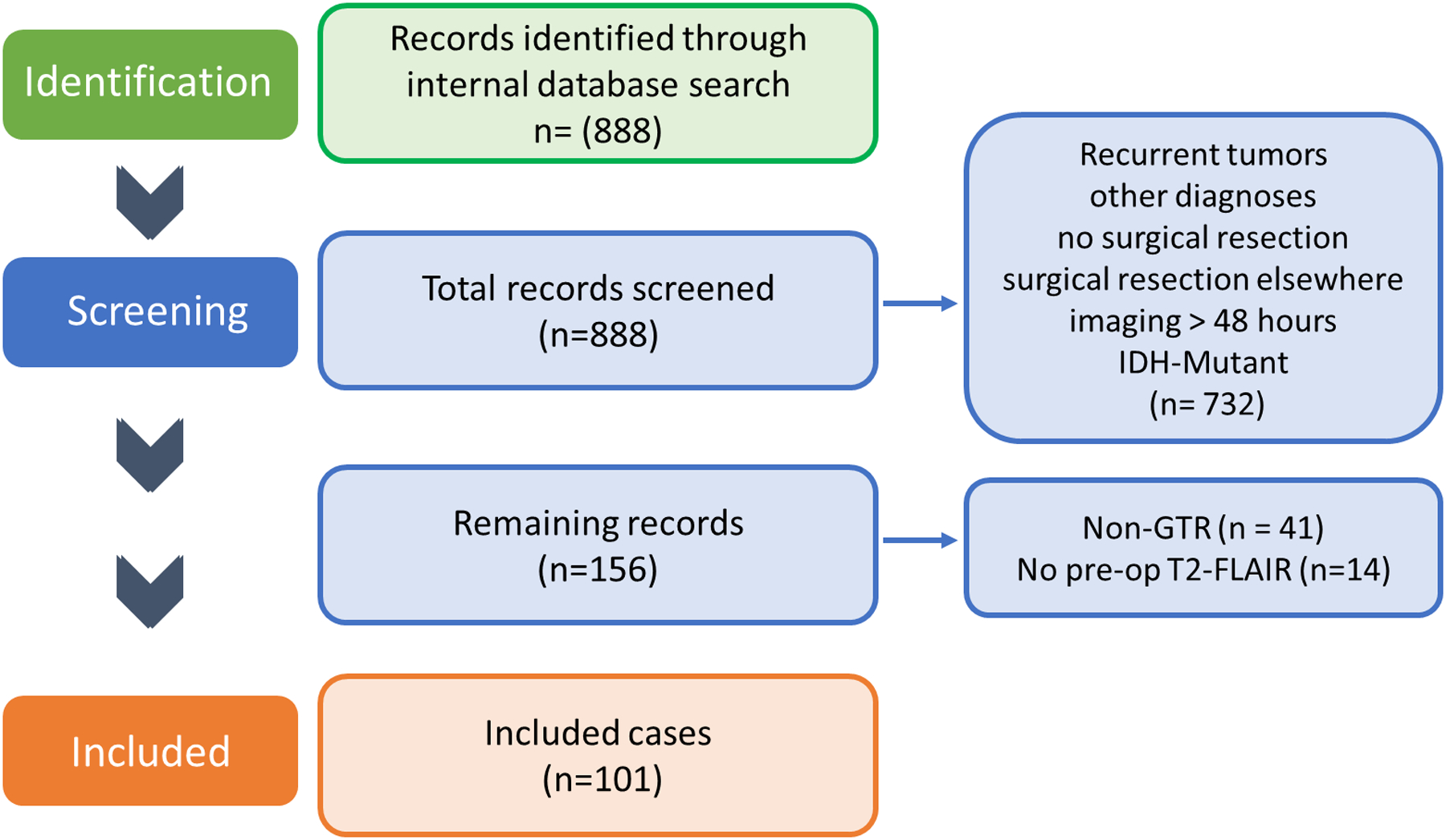
Methods: The medical records of 888 patients aged ≥ 18 years who underwent resection of GBM between January 2011 and December 2017 were reviewed. Volumetric measurements of the CE tumor and surrounding FLAIR-hyperintense tumor were performed, clinical variables were obtained, and associations with OS were analyzed.

Results: In total, 101 patients with newly diagnosed IDH-wt GBM who underwent GTR of the CE tumor met the inclusion criteria. In multivariate analysis, age ≥ 65 years (HR 1.97; 95% CI 1.01-2.56; p < 0.001) and contact with the lateral ventricles (HR 1.59; 95% CI 1.13-1.78; p = 0.025) were associated with shorter OS, but preoperative Karnofsky Performance Status ≥ 70 (HR 0.47; 95% CI 0.27-0.89; p = 0.006), MGMT promotor methylation (HR 0.63; 95% CI 0.52-0.99; p = 0.044), and increased percentage of SMR (HR 0.99; 95% CI 0.98-0.99; p = 0.02) were associated with longer OS. Finally, 20% SMR was the minimum percentage associated with beneficial OS (HR 0.56; 95% CI 0.35-0.89; p = 0.01), but > 60% SMR had no significant influence (HR 0.74; 95% CI 0.45-1.21; p = 0.234).

Conclusions: SMR is associated with improved OS in patients with IDH-wt GBM who undergo GTR of CE tumor. At least 20% SMR of the CE tumor was associated with beneficial OS, but greater than 60% SMR had no significant influence on OS.

Keywords: FLAIR; IDH–wild type; contrast enhancement; extent of resection; glioblastoma; oncology; supramarginal resection; survival.


Conflict of interest statement

Conflict of Interest: None

Figures

Figure 1:
Figure 1:
Flowchart illustrating the inclusion and exclusion criteria for this sudy.
Figure 2:
Figure 2:
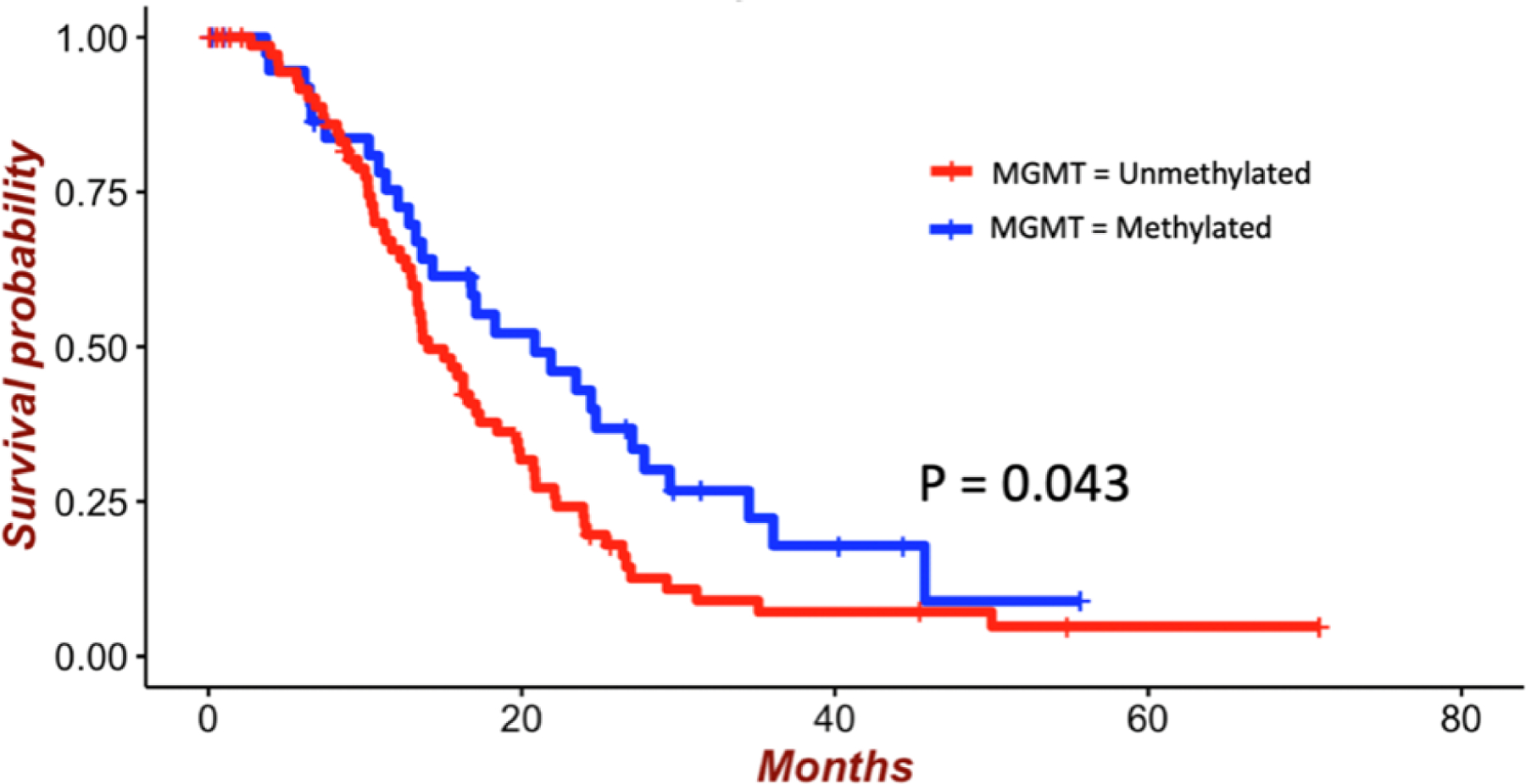
Survival of patients with GBM who underwent GTR of CE tumor according to MGMT promoter methylation status. The mean survival of patients with methylated MGMT promoter was 21.4 months compared with 18.6 months for patients with unmethylated MGMT promoter (p = 0.043).
Figure 3:
Figure 3:
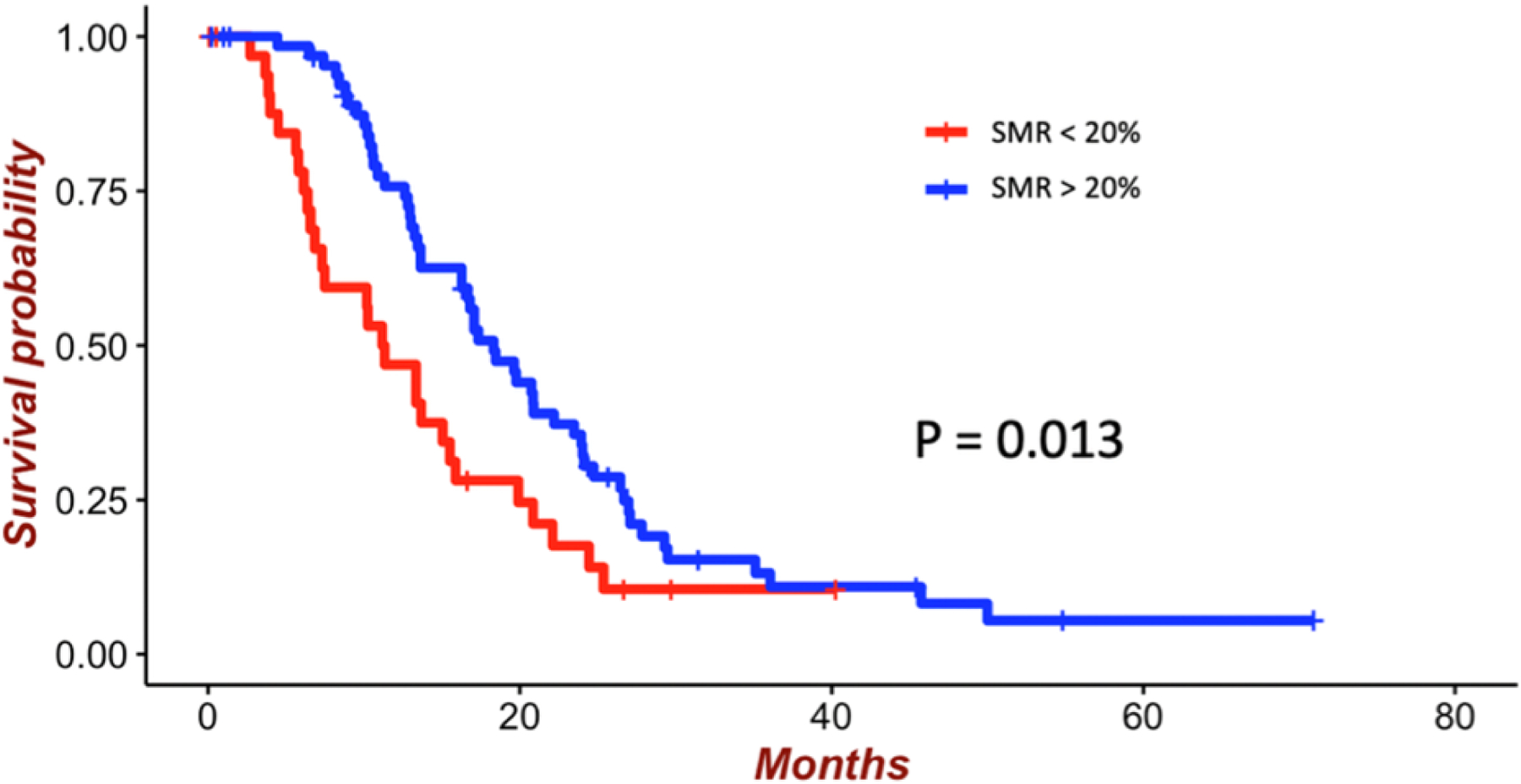
Survival of patients with GBM who underwent GTR of CE tumor according to a 20% SMR threshold. The mean survival of patients who underwent > 20% SMR was 19.1 months compared with 16.8 months for patients who underwent < 20% SMR (p = 0.013).
Figure 4:
Figure 4:
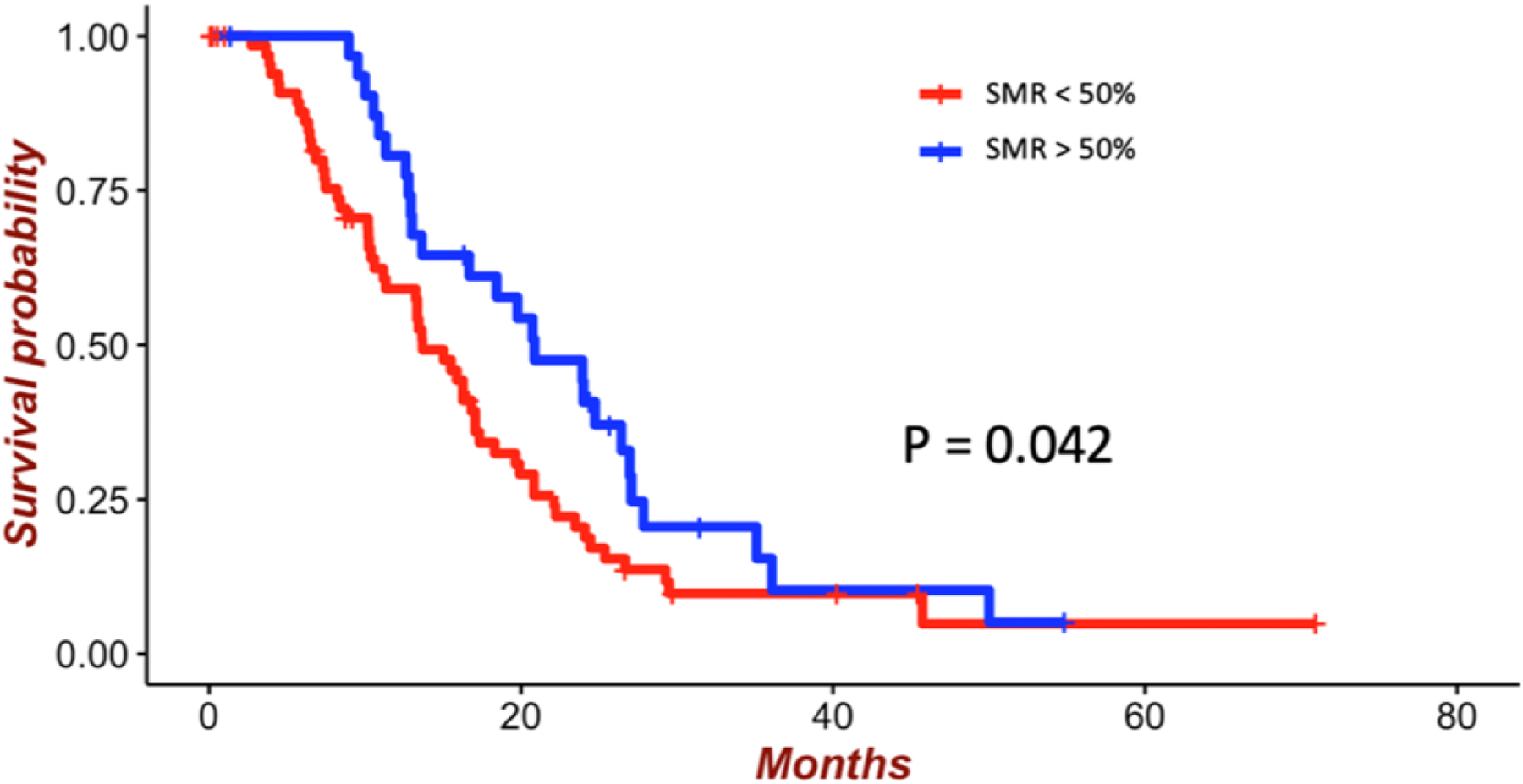
Survival of patients with GBM who underwent GTR of CE tumor according to a 50% SMR threshold. The mean survival of patients who underwent > 50% SMR was 20.1 months compared with 18.3 months for patients who underwent < 50% SMR (p = 0.042).
Figure 5:
Figure 5:
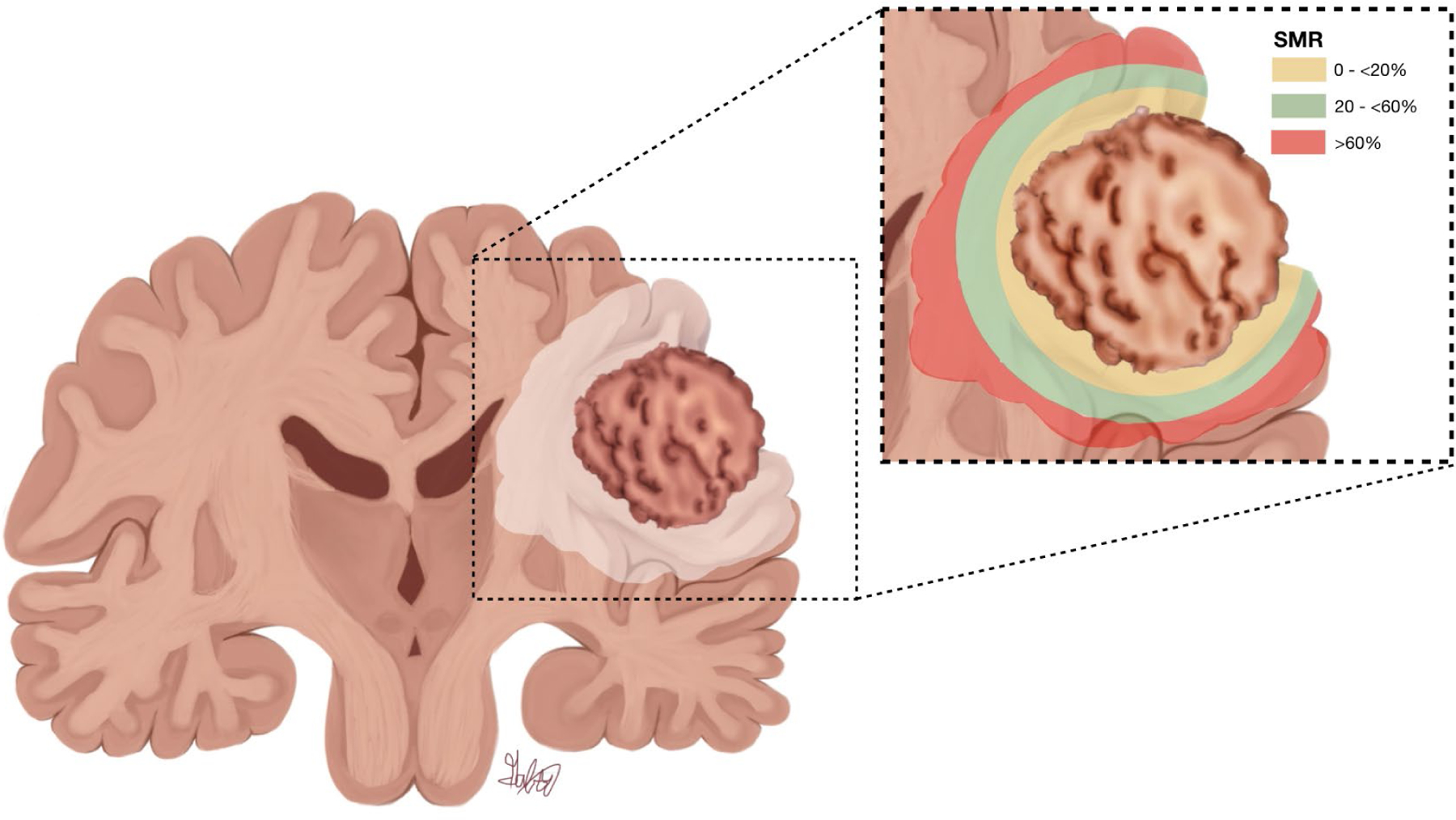
SMR percentages significantly associated with beneficial OS in patients with IDH-wt GBM who underwent GTR of CE tumor. A coronal section of the brain is shown, illustrating the CE portion of the tumor surrounded by FLAIR hyperintensity, as well as a color-coded magnified view of the tumor region (inset). Yellow represents proximal SMR percentages that did not show a significant benefit in OS. Green represents SMR percentages that were significantly associated with benefit in OS. Red represents the distal FLAIR-hyperintense area in which SMR was not significantly associated with OS. Copyright Alfredo Quinones-Hinojosa. Published with permission.

References

    1. Bush NA, Chang SM, Berger MS. Current and future strategies for treatment of glioma. Neurosurg Rev. 2016;40(1):1–14. doi: 10.1007/s10143-016-0709-8 - DOI - PubMed
    1. Marenco-Hillembrand L, Wijesekera O, Suarez-Meade P, et al. Trends in glioblastoma: outcomes over time and type of intervention: a systematic evidence based analysis. J Neurooncol. 2020;147(2):297–307. doi: 10.1007/s11060-020-03451-6 - DOI - PubMed
    1. Miranda A, Blanco-Prieto M, Sousa J, Pais A, Vitorino C. Breaching barriers in glioblastoma. Part I: Molecular pathways and novel treatment approaches. Int J Pharm. 2017;531(1):372–388. - PubMed
    1. Chaichana KL MJM, F J F A, G-C H, Quinones-Hinojosa A. Relationship of glioblastoma multiforme to the lateral ventricles predicts survival following tumor resection. J Neurooncol. 2008;89(2):219–24. doi: 10.1007/s11060-008-9609-2 - DOI - PubMed
    1. Matsuda M, Kohzuki H, Ishikawa E, et al. Prognostic analysis of patients who underwent gross total resection of newly diagnosed glioblastoma. J Clin Neurosci. 2018;50:172–176. doi: 10.1016/j.jocn.2018.01.009 - DOI - PubMed

Publication types

MeSH terms

Substances