. 2021 Oct 10:790:148130.
doi: 10.1016/j.scitotenv.2021.148130. Epub 2021 May 29.

Neglected microplastics pollution in global COVID-19: Disposable surgical masks

Affiliations

Neglected microplastics pollution in global COVID-19: Disposable surgical masks

Maocai Shen et al. Sci Total Environ. .

Abstract

There have been many studies on the microplastic pollution, influence and control mechanisms of different plastic products. The potential harm of microplastic pollution to the environment has been confirmed. With the outbreak and spread of the COVID-19 in the world, disposable surgical masks as effective and cheap protective medical equipment have been widely used by the public. Disposable masks have been a new social norm, but they must have a sense of environmental responsibilities. The random disposal of masks may result in new and greater microplastic pollution, because masks made of polymer materials would release microplastics after entering the environment. Current results showed that masks are a potential and easily overlooked source of environmental microplastics. The release amount of microplastics in the static water by one mask was 360 items, and with the increase of vibration rate, the release amount also increased. The addition of organic solvents (detergent and alcohol) in water would increase the release of microplastics from masks. When the mask became fragments, the ability to release microplastic fibers into the environment was greatly improved due to the increase of exposure area. After two months of natural weathering, the masks become very fragile pieces and microplastics. A fully weathered mask could release several billions of microplastic fibers into the aquatic environment once these fragile fragments enter the water without reservation. The rapid growth of mask production and consumption and improper disposable is worrying. It is urgent to understand the potential environmental risks and significance of masks.

Keywords: COVID-19; Disposable surgical masks; Microplastics; Natural aging; Plastic pollution; Potential source.


Conflict of interest statement

Declaration of competing interest The authors have no conflict of interest to declare regarding this article.

Figures
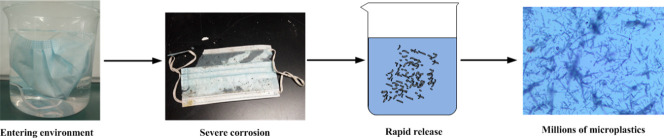
Unlabelled Image
Graphical abstract
Fig. 1
Fig. 1
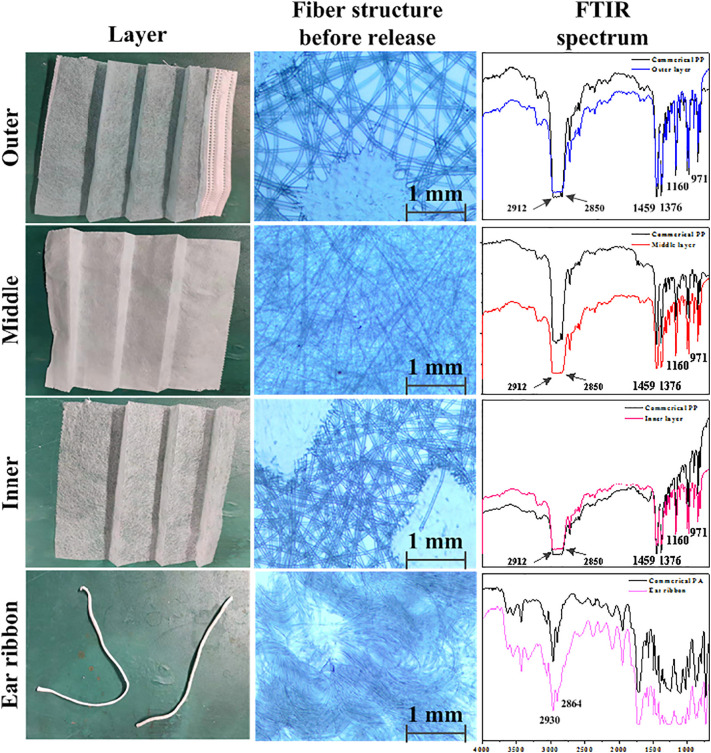
Structure and chemical composition of disposable surgical mask before release. Electron microscopy resolution of 3.66 μm.
Fig. 2
Fig. 2
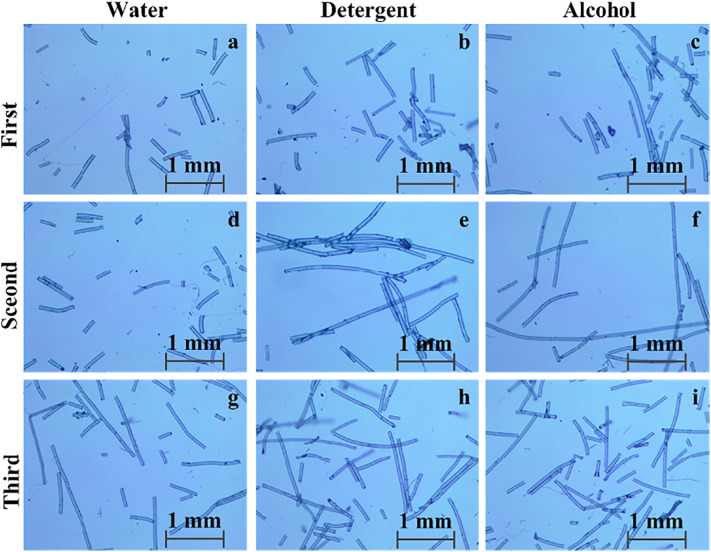
Release of microplastic fibers by disposable surgical masks. Masks were washed with water (figures a, b, c), detergent (figures d, e, f) and alcohol (figures g, h, i) for three experiments. Electron microscopy resolution of 3.66 μm.
Fig. 3
Fig. 3
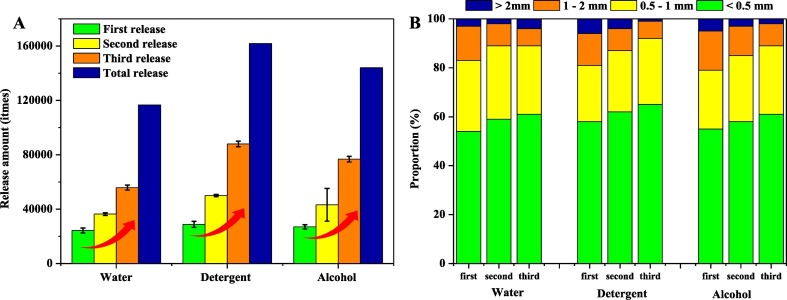
Release of microplastic fibers by one mask under different conditions. (A) Showed the release amount of microplastic fibers by the mask per washing and the total release amount. (B) Illustrated the length distribution of released microplastic fibers.
Fig. 4
Fig. 4
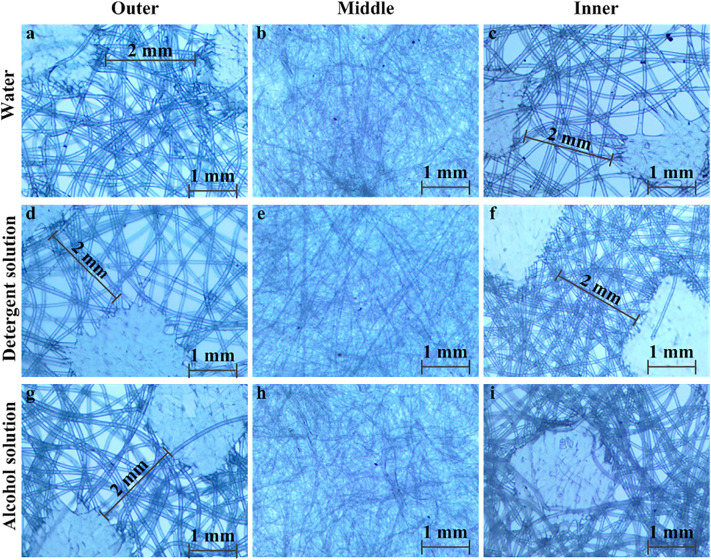
Changes of distribution and morphology of plastic fibers under different experimental conditions. Masks were washed with water (figures a, b, c), detergent (figures d, e, f) and alcohol (figures g, h, i) for three experiments. Electron microscopy resolution of 3.66 μm.
Fig. 5
Fig. 5
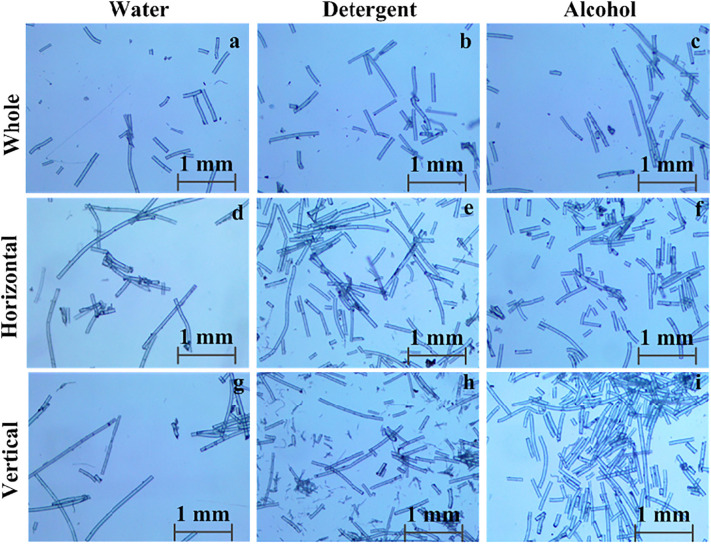
Release of microplastic fibers by cut disposable surgical mask. Figures a, b, c represent the release of microplastic fiber of whole mask; Figures d, e, f represent the release of microplastic fiber of horizontal mask; and Figures g, h, i represent the release of microplastic fiber of vertical mask. Electron microscopy resolution of 3.66 μm.
Fig. 6
Fig. 6
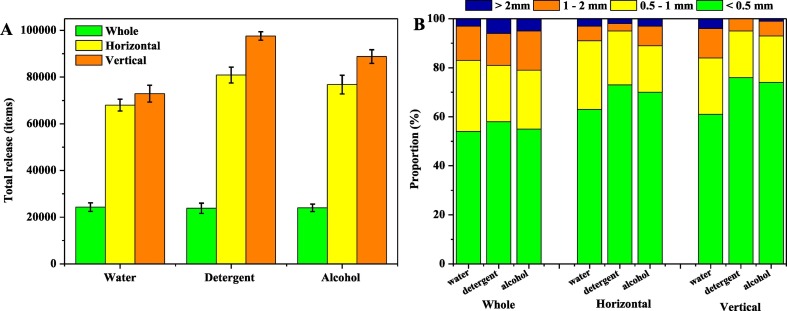
Effect of cutting modes on release of microplastic fibers by the mask. (A) Showed the amount of released microplastic fibers under different cutting methods, and (B) illustrated the length distribution of released microplastic fiber.
Fig. 7
Fig. 7
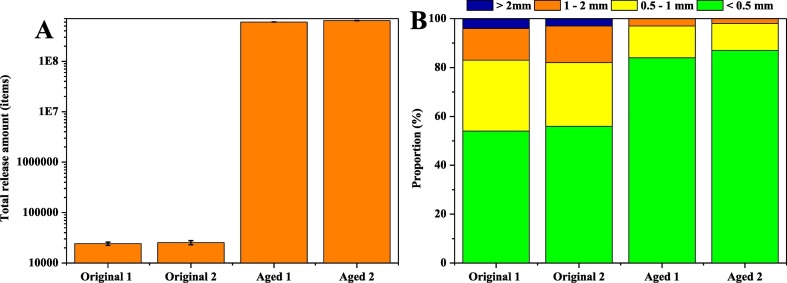
Total release amount of microplastic fibers by the aged and original mask (A) and their length distribution (B).
Fig. 8
Fig. 8
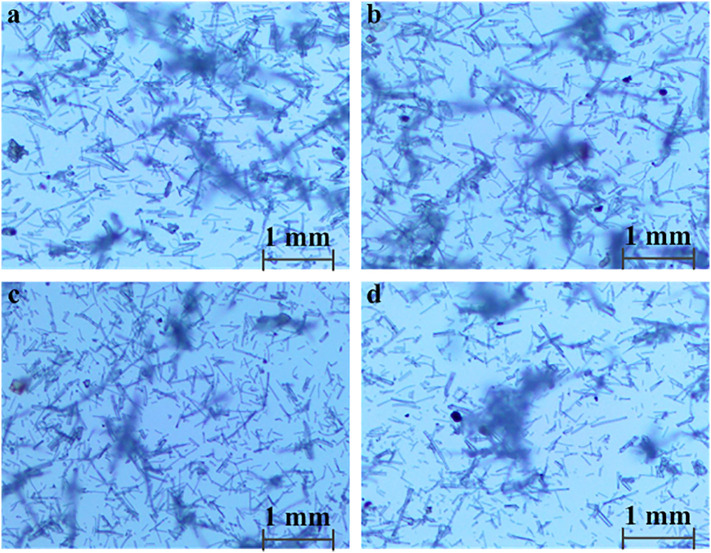
Release of microplastic fibers by the aged disposable surgical mask. Figures a-d represent the microplastic fibers released by naturally weathered mask fragments in this test. Electron microscopy resolution of 3.66 μm.
Fig. 9
Fig. 9
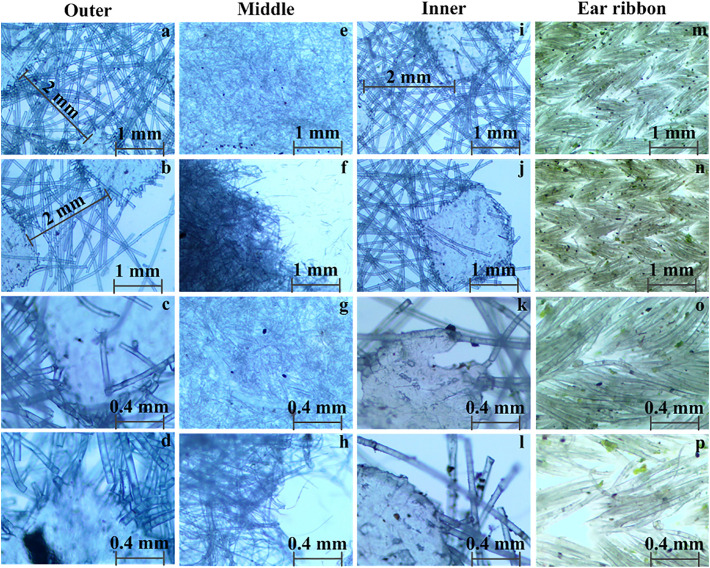
Effect of natural exposure on plastic fiber in the disposable surgical aged mask components (outer layer (figures a, b, c, d), middle layer (figures e, f, g, h), inner layer (figures i, j, k, l) and ear ribbon (figures m, n, o, p)). Electron microscopy resolution of 3.66 μm (1 mm) and 1.46 μm (0.4 mm).
Fig. 10
Fig. 10
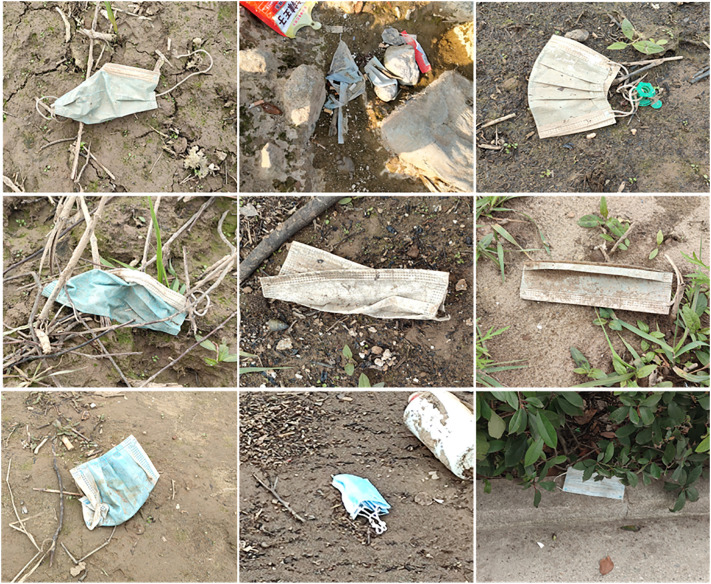
Abandoned disposable surgical masks found in the wild at Changsha, China.

References

    1. Aragaw T.A. Surgical face masks as a potential source for microplastic pollution in the COVID-19 scenario. Mar. Pollut. Bull. 2020;159 - PMC - PubMed
    1. Bennet D., Harris A.F., Lacombe J., Brooks C., Bionda N., Strickland A.D., et al. Evaluation of supercritical CO2 sterilization efficacy for sanitizing personal protective equipment from the coronavirus SARS-CoV-2. Sci. Total Environ. 2021;780 - PMC - PubMed
    1. Bouwmeester H., Hollman P.C., Peters R.J. Potential health impact of environmentally released micro- and nanoplastics in the human food production chain: experiences from nanotoxicology. Environ. Sci. Technol. 2015;49:8932–8947. - PubMed
    1. Cai Y., Yang T., Mitrano D.M., Heuberger M., Hufenus R., Nowack B. Systematic study of microplastic fiber release from 12 different polyester textiles during washing. Environ. Sci. Technol. 2020;54:4847–4855. - PubMed
    1. Fadare O.O., Okoffo E.D. Covid-19 face masks: a potential source of microplastic fibers in the environment. Sci. Total Environ. 2020;737 - PMC - PubMed