


Tumor Necrosis Factor Inhibitors Exacerbate Whipple's Disease by Reprogramming Macrophage and Inducing Apoptosis
- PMID: 34093562
- PMCID: PMC8173622
- DOI: 10.3389/fimmu.2021.667357
Tumor Necrosis Factor Inhibitors Exacerbate Whipple's Disease by Reprogramming Macrophage and Inducing Apoptosis
Abstract
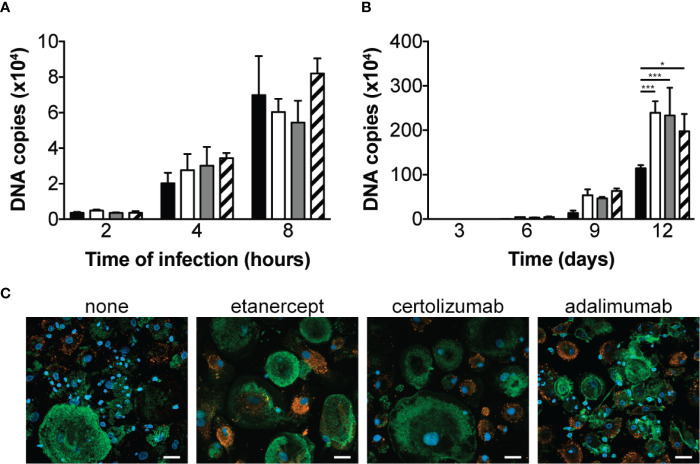
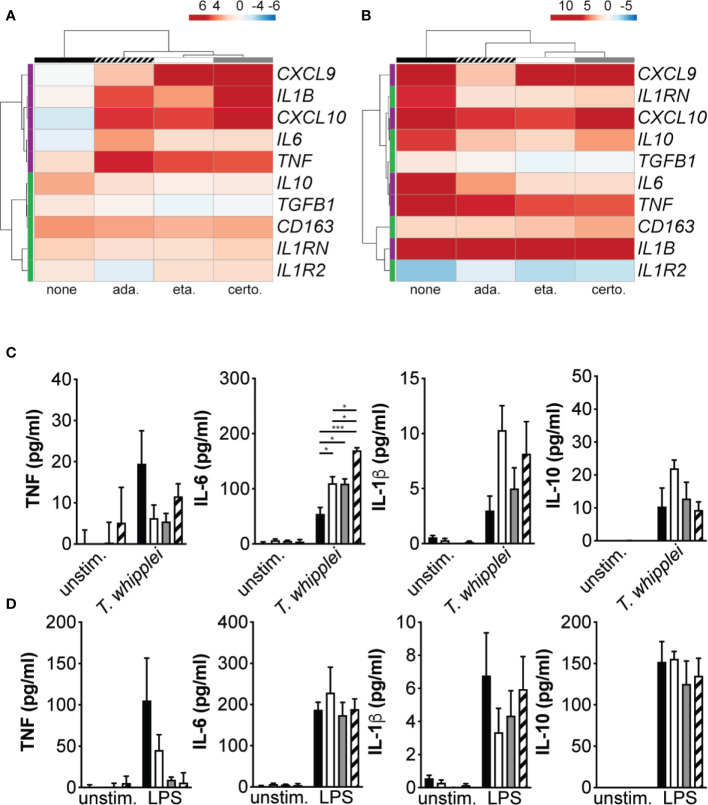
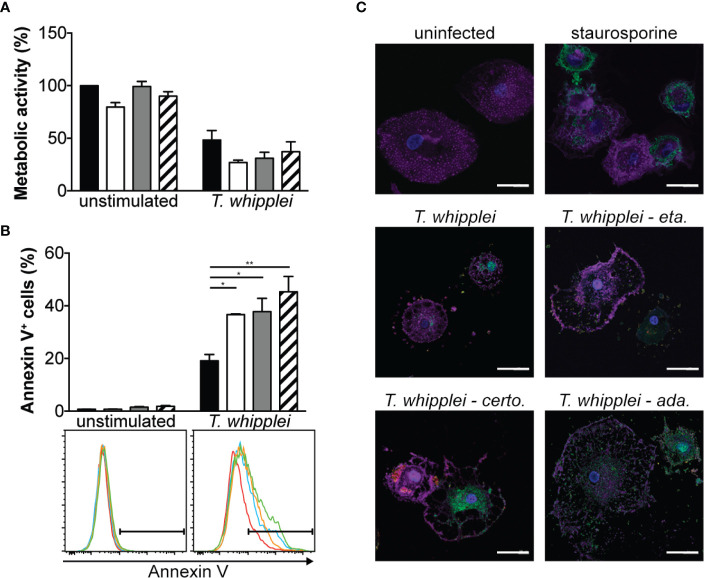
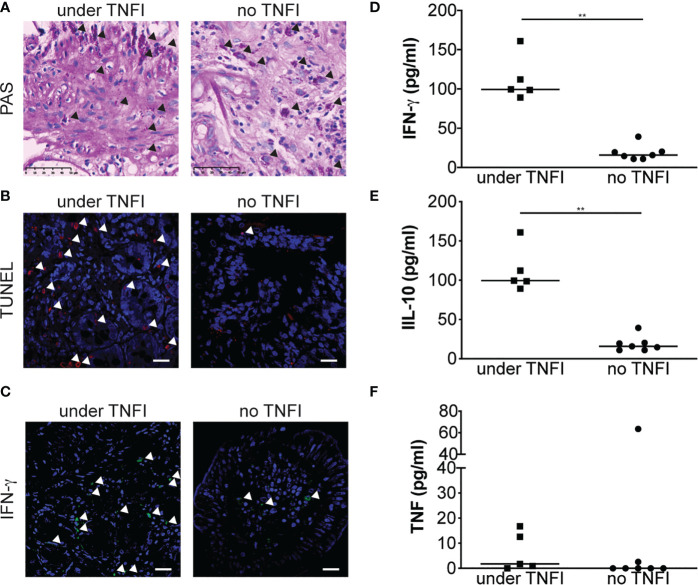
Tropheryma whipplei is the agent of Whipple's disease, a rare systemic disease characterized by macrophage infiltration of the intestinal mucosa. The disease first manifests as arthralgia and/or arthropathy that usually precede the diagnosis by years, and which may push clinicians to prescribe Tumor necrosis factor inhibitors (TNFI) to treat unexplained arthralgia. However, such therapies have been associated with exacerbation of subclinical undiagnosed Whipple's disease. The objective of this study was to delineate the biological basis of disease exacerbation. We found that etanercept, adalimumab or certolizumab treatment of monocyte-derived macrophages from healthy subjects significantly increased bacterial replication in vitro without affecting uptake. Interestingly, this effect was associated with macrophage repolarization and increased rate of apoptosis. Further analysis revealed that in patients for whom Whipple's disease diagnosis was made while under TNFI therapy, apoptosis was increased in duodenal tissue specimens as compared with control Whipple's disease patients who never received TNFI prior diagnosis. In addition, IFN-γ expression was increased in duodenal biopsy specimen and circulating levels of IFN-γ were higher in patients for whom Whipple's disease diagnosis was made while under TNFI therapy. Taken together, our findings establish that TNFI aggravate/exacerbate latent or subclinical undiagnosed Whipple's disease by promoting a strong inflammatory response and apoptosis and confirm that patients may be screened for T. whipplei prior to introduction of TNFI therapy.
Keywords: IFNγ; TNF inhibitor; Tropheryma whipplei; Whipple’s disease; macrophages.
Copyright © 2021 Boumaza, Mezouar, Bardou, Raoult, Mège and Desnues.
Conflict of interest statement
The authors declare that the research was conducted in the absence of any commercial or financial relationships that could be construed as a potential conflict of interest.
Figures
References
Publication types
MeSH terms
Substances
LinkOut - more resources
Full Text Sources
