


The GEnetic Syntax Score: a genetic risk assessment implementation tool grading the complexity of coronary artery disease-rationale and design of the GESS study
- PMID: 34103005
- PMCID: PMC8186185
- DOI: 10.1186/s12872-021-02092-5
The GEnetic Syntax Score: a genetic risk assessment implementation tool grading the complexity of coronary artery disease-rationale and design of the GESS study
Erratum in
-
Correction to: The GEnetic Syntax Score: a genetic risk assessment implementation tool grading the complexity of coronary artery disease-rationale and design of the GESS study.BMC Cardiovasc Disord. 2021 Jun 21;21(1):309. doi: 10.1186/s12872-021-02122-2. BMC Cardiovasc Disord. 2021. PMID: 34154527 Free PMC article. No abstract available.
Abstract
Background: Coronary artery disease (CAD) remains one of the leading causes of mortality worldwide and is associated with multiple inherited and environmental risk factors. This study is designed to identify, design, and develop a panel of genetic markers that combined with clinical and angiographic information, will facilitate the creation of a personalized risk prediction algorithm (GEnetic Syntax Score-GESS). GESS score could be a reliable tool for predicting cardiovascular risk for future adverse events and for guiding therapeutic strategies.
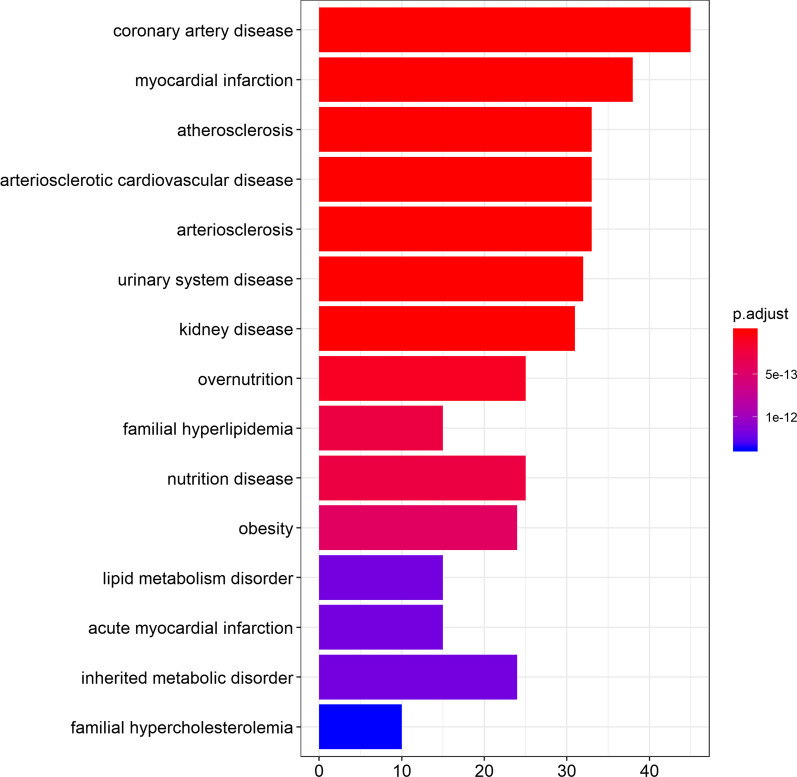
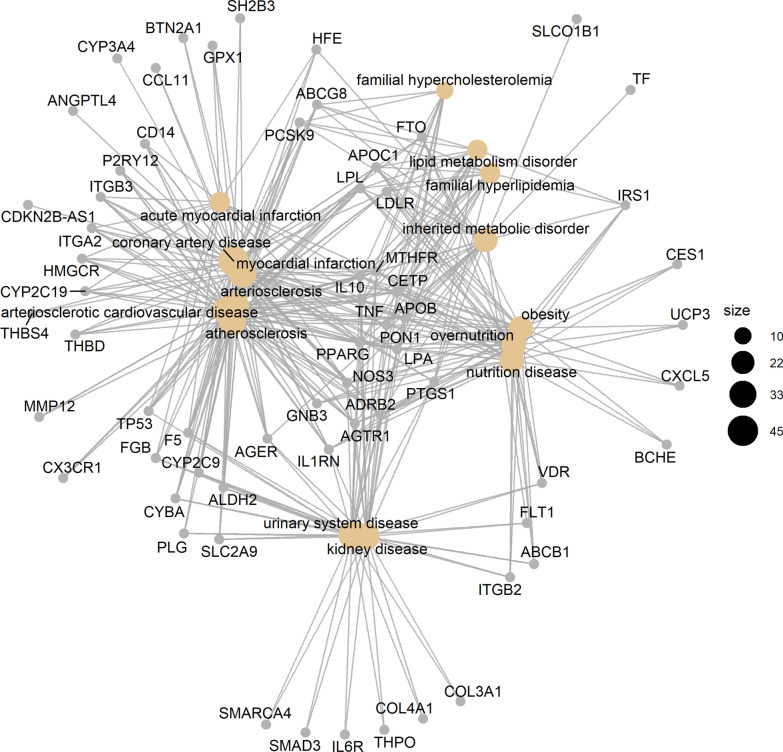
Methods: GESS (ClinicalTrials.gov Identifier: NCT03150680) is a prospective, non-interventional clinical study designed to enroll 1080 consecutive patients with no prior history of coronary revascularization procedure, who undergo scheduled or emergency coronary angiography in AHEPA, University General Hospital of Thessaloniki. Next generation sequencing (NGS) technology will be used to genotype specific single-nucleotide polymorphisms (SNPs) across the genome of study participants, which were identified as clinically relevant to CAD after extensive bioinformatic analysis of literature-based SNPs. Enrichment analyses of Gene Ontology-Molecular Function, Reactome Pathways and Disease Ontology terms were also performed to identify the top 15 statistically significant terms and pathways. Furthermore, the SYNTAX score will be calculated for the assessment of CAD severity of all patients based on their angiographic findings. All patients will be followed-up for one-year, in order to record any major adverse cardiovascular events.
Discussion: A group of 228 SNPs was identified through bioinformatic and pharmacogenomic analysis to be involved in CAD through a wide range of pathways and was correlated with various laboratory and clinical parameters, along with the patients' response to clopidogrel and statin therapy. The annotation of these SNPs revealed 127 genes being affected by the presence of one or more SNPs. The first patient was enrolled in the study in February 2019 and enrollment is expected to be completed until June 2021. Hence, GESS is the first trial to date aspiring to develop a novel risk prediction algorithm, the GEnetic Syntax Score, able to identify patients at high risk for complex CAD based on their molecular signature profile and ultimately promote pharmacogenomics and precision medicine in routine clinical settings. Trial registration GESS trial registration: ClinicalTrials.gov Number: NCT03150680. Registered 12 May 2017- Prospectively registered, https://clinicaltrials.gov/ct2/show/NCT03150680 .
Keywords: Acute coronary syndrome; Biomarkers; Coronary artery disease; Genetics; NGS; Pharmacogenomics; SNPs; SYNTAX score.
Conflict of interest statement
The authors declare that they have no competing interests.
Figures
References
Publication types
MeSH terms
Substances
Associated data
LinkOut - more resources
Full Text Sources
Other Literature Sources
Medical
Miscellaneous
