. 2021 Aug:116:16-24.
doi: 10.1016/j.semcdb.2020.10.002. Epub 2020 Oct 22.

Intrinsic and extrinsic regulators of oligodendrocyte progenitor proliferation and differentiation

Affiliations

Intrinsic and extrinsic regulators of oligodendrocyte progenitor proliferation and differentiation

Katrina L Adams et al. Semin Cell Dev Biol. 2021 Aug.

Abstract

Oligodendrocytes are highly specialized glial cells, responsible for producing myelin in the central nervous system (CNS). The multi-stage process of oligodendrocyte development is tightly regulated to ensure proper lineage progression of oligodendrocyte progenitor cells (OPCs) to mature myelin producing oligodendrocytes. This developmental process involves complex interactions between several intrinsic signaling pathways that are modulated by an array of extrinsic factors. Understanding these regulatory processes is of crucial importance, as it may help to identify specific molecular targets both to enhance plasticity in the normal CNS and to promote endogenous recovery following injury or disease. This review describes two major regulators that play important functional roles in distinct phases of oligodendrocyte development: OPC proliferation and differentiation. Specifically, we highlight the roles of the extracellular astrocyte/radial glia-derived protein Endothelin-1 in OPC proliferation and the intracellular Akt/mTOR pathway in OPC differentiation. Lastly, we reflect on how recent advances in neuroscience and scientific technology will enable greater understanding into how intrinsic and extrinsic regulators interact to generate oligodendrocyte diversity.

Keywords: Differentiation; Endothelin-1; Erk1/2; Oligodendrocyte progenitors; Proliferation; Subventricular zone; mTOR.


Figures

Figure 1:
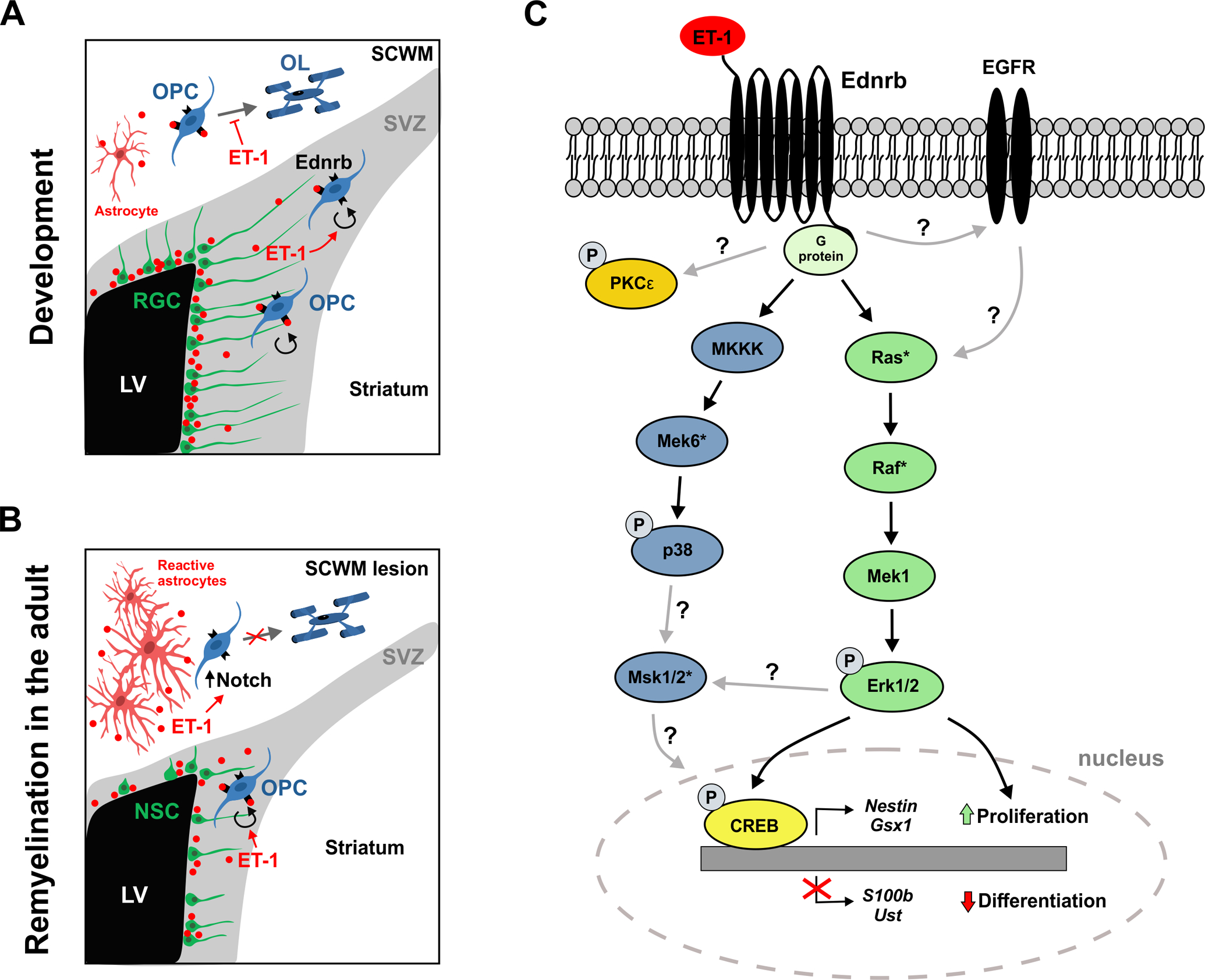
Figure 1:. Mechanisms of ET-1 signaling in OPCs.
(A) Schematic describing inter-cellular ET-1 signaling in the early postnatal mouse subventricular zone (SVZ) and subcortical white matter (SCWM). Radial glial cells (RGC) in the SVZ secrete ET-1 which binds to Ednrb receptors on OPCs to promote their proliferation. Astrocytes in the SCWM secrete ET-1 which binds to Ednrb receptors on OPCs to block their differentiation. LV = lateral ventricle. (B) Schematic describing inter-cellular ET-1 signaling in the adult mouse following focal demyelination of the SCWM. Neural stem cells (NSCs) in the SVZ upregulate ET-1 which binds to Ednrb receptors on OPCs to promote their proliferation. Reactive astrocytes in the SCWM lesion secrete high levels of ET-1, which indirectly activates Notch signaling in OPCs and blocks their differentiation. LV = lateral ventricle. (C) Proposed intracellular signaling pathways activated by ET-1 signaling in OPCs. ET-1 binding to the Ednrb receptor primarily activates the MAPK/Erk pathway, leading to CREB phosphorylation and transcriptional changes that promote proliferation and progenitor maintenance. Black arrows indicate well-established protein interactions in OPCs, while gray arrows indicate protein interactions that have been described in other cell types, but remain uncharacterized in OPCs. Asterisks denote proteins that still require confirmation of activation upon ET-1 signaling in OPCs.
Figure 2:
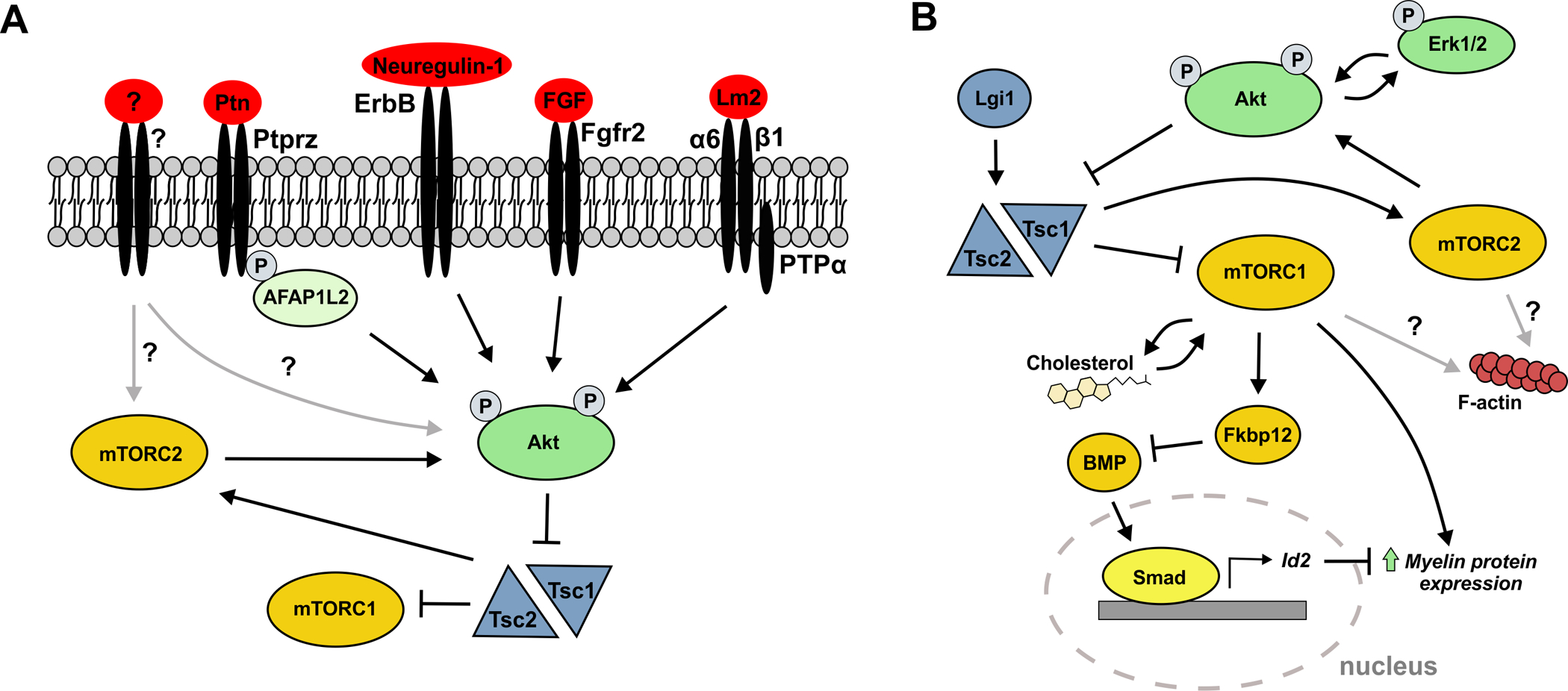
Figure 2:. Extracellular signals activate the intracellular signaling pathway mTOR.
(A) Model of extracellular signals that function as cues for OPC differentiation through the activation of Akt in the Akt/mTOR pathway. Neuregulin is a canonical extracellular factor that triggers the activation of Akt/mTOR in oligodendrocytes to drive differentiation, and several other pro-differentiation extracellular factors have recently been found to also activate Akt. Akt is activated through phosphorylation at threonine 308 by the upstream PI3K pathway, and is further phosphorylated at serine 473 by mTORC2. Activated Akt regulates mTORC1 by inhibiting the TSC1/TSC2 complex which inhibits mTORC1 activation by a guanine nucleotide exchange factor. (B) While activation of Akt can be achieved by extracellular signaling, intracellular regulation functions to internally control Akt/mTOR activity. Cholesterol, an important component of the oligodendrocyte membrane, and mTOR are dependent on each other and mTOR may signal through cholesterol-rich signaling domains for differentiation. Akt and Erk1/2 signaling converge on mTORC1 to drive myelination. Activation and regulation of mTOR activity ultimately impacts downstream targets that function in the cellular activities necessary for differentiation, such as downregulation of BMP signaling and actin polymerization. Bars indicate inhibitory activity; arrows indicate activation or positive interaction. Gray arrows indicate possible protein interactions that remain uncharacterized in oligodendrocytes.

References

    1. Adams KL, Riparini G, Banerjee P, Breur M, Bugiani M, Gallo V. Endothelin-1 signaling maintains glial progenitor proliferation in the postnatal subventricular zone. Nat. Commun 2020; 11: 2138. doi: 10.1038/s41467-020-16028-8. - DOI - PMC - PubMed
    1. Aguirre A, Dupree JL, Mangin JM, Gallo V. A functional role for EGFR signaling in myelination and remyelination. Nat. Neurosci 2007; 10: 990–1002. doi: 10.1038/nn1938. - DOI - PubMed
    1. Alberts GF, Peifley KA, Johns A, Kleha JF, Winkles JA. Constitutive endothelin-1 overexpression promotes smooth muscle cell proliferation via an external autocrine loop. J. Biol. Chem 1994; 269: 10112–10118. - PubMed
    1. Barbarese E, Koppel DE, Deutscher MP, Smith CL, Ainger K, Morgan F, Carson JH. Protein translation components are colocalized in granules in oligodendrocytes. J. Cell Sci 1995; 108: 2781–2790. - PubMed
    1. Baron W, Metz B, Bansal R, Hoekstra D, de Vries H. PDGF and FGF-2 signaling in oligodendrocyte progenitor cells: regulation of proliferation and differentiation by multiple intracellular signaling pathways. Mol. Cell. Neurosci 2000; 3: 314–329. doi: 10.1006/mcne.1999.0827 - DOI - PubMed

Publication types