. 2020 Jan;5(1):20-43.
doi: 10.1038/s41578-019-0148-6. Epub 2019 Nov 7.

Hydrogel microparticles for biomedical applications

Affiliations

Hydrogel microparticles for biomedical applications

Andrew C Daly et al. Nat Rev Mater. 2020 Jan.

Abstract

Hydrogel microparticles (HMPs) are promising for biomedical applications, ranging from the therapeutic delivery of cells and drugs to the production of scaffolds for tissue repair and bioinks for 3D printing. Biologics (cells and drugs) can be encapsulated into HMPs of predefined shapes and sizes using a variety of fabrication techniques (batch emulsion, microfluidics, lithography, electrohydrodynamic (EHD) spraying and mechanical fragmentation). HMPs can be formulated in suspensions to deliver therapeutics, as aggregates of particles (granular hydrogels) to form microporous scaffolds that promote cell infiltration or embedded within a bulk hydrogel to obtain multiscale behaviours. HMP suspensions and granular hydrogels can be injected for minimally invasive delivery of biologics, and they exhibit modular properties when comprised of mixtures of distinct HMP populations. In this Review, we discuss the fabrication techniques that are available for fabricating HMPs, as well as the multiscale behaviours of HMP systems and their functional properties, highlighting their advantages over traditional bulk hydrogels. Furthermore, we discuss applications of HMPs in the fields of cell delivery, drug delivery, scaffold design and biofabrication.


Conflict of interest statement

Competing interests The authors declare no competing interests.

Figures
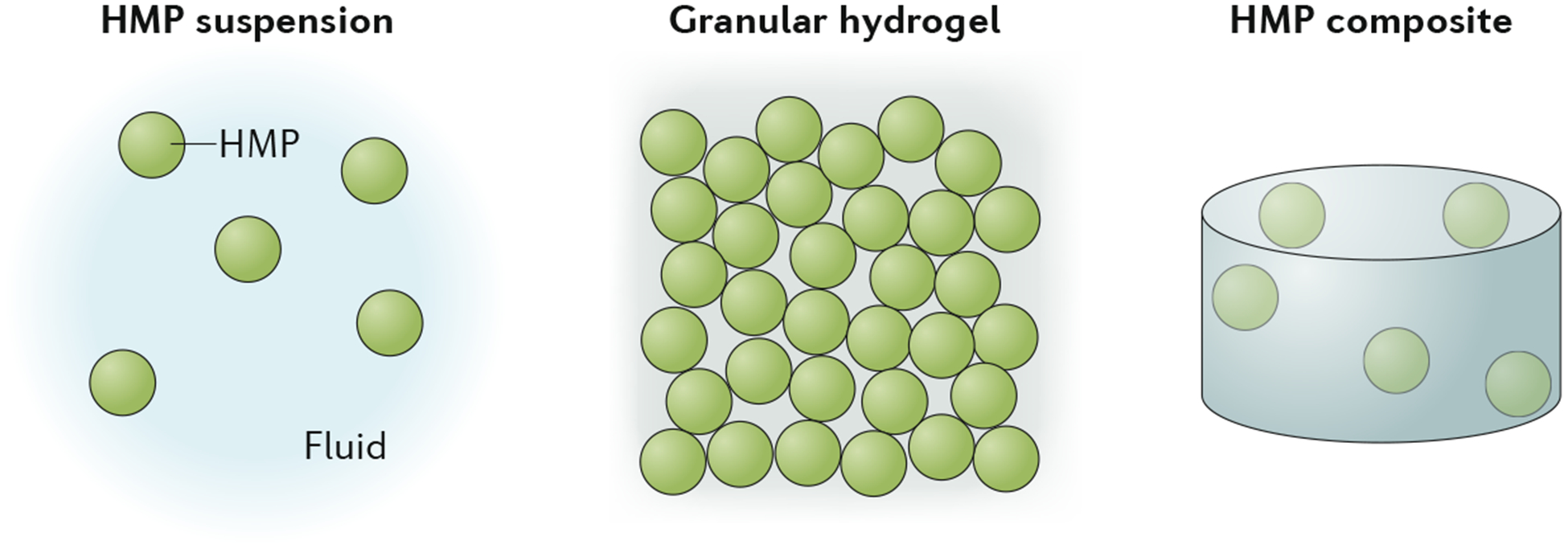
Fig. 1 |
Fig. 1 |. Categories of hydrogel microparticles.
Hydrogel microparticles (HMPs) can be fabricated and used as distinct units or in aggregation. Their aggregates can be categorized as suspensions, granular hydrogels or composites if HMPs are embedded within a bulk hydrogel.
Fig. 2 |
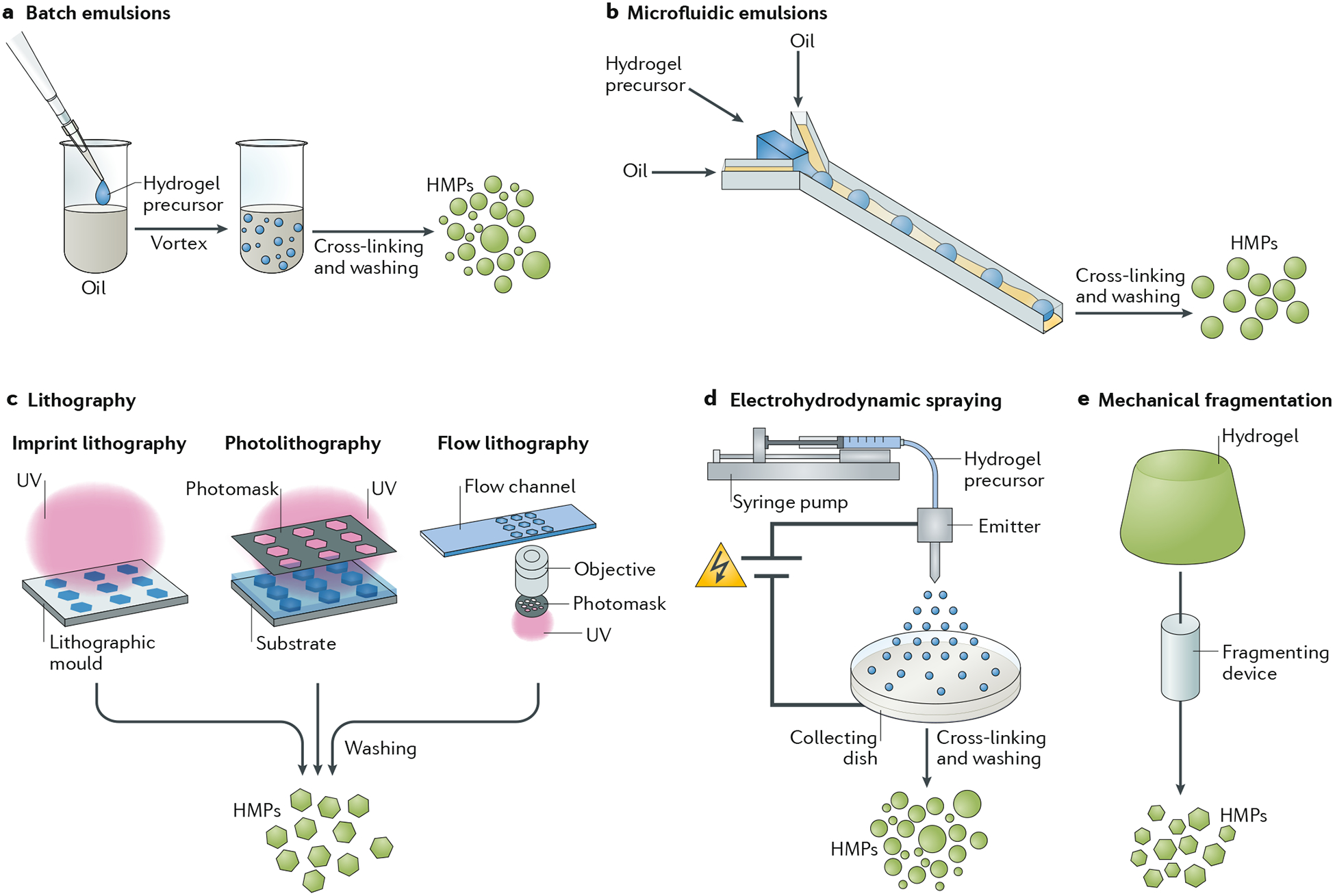
Fig. 2 |. Fabrication of hydrogel microparticles.
Examples of fabrication techniques include: a | Batch emulsions, in which immiscible liquids are mixed together (for example, water and oil) to generate droplets that can be cross-linked to form hydrogel microparticles (HMPs). b | Microfluidic emulsions, in which flow-focusing junctions are used to generate droplets that can be subsequently cross-linked to form HMPs. c | Lithography, in which masks or moulds are used as templates for hydrogels at the microscale. d | Electrohydrodynamic spraying, in which electrical forces are used to charge flowing solutions to form droplets that can then be cross-linked into hydrogels. e | Mechanical fragmentation techniques, in which mechanical energy is used to fragment preformed hydrogels into smaller particles. Blue shading refers to uncross-linked solution, green shading refers to cross-linked HMPs or hydrogel. UV, ultraviolet.
Fig. 3 |
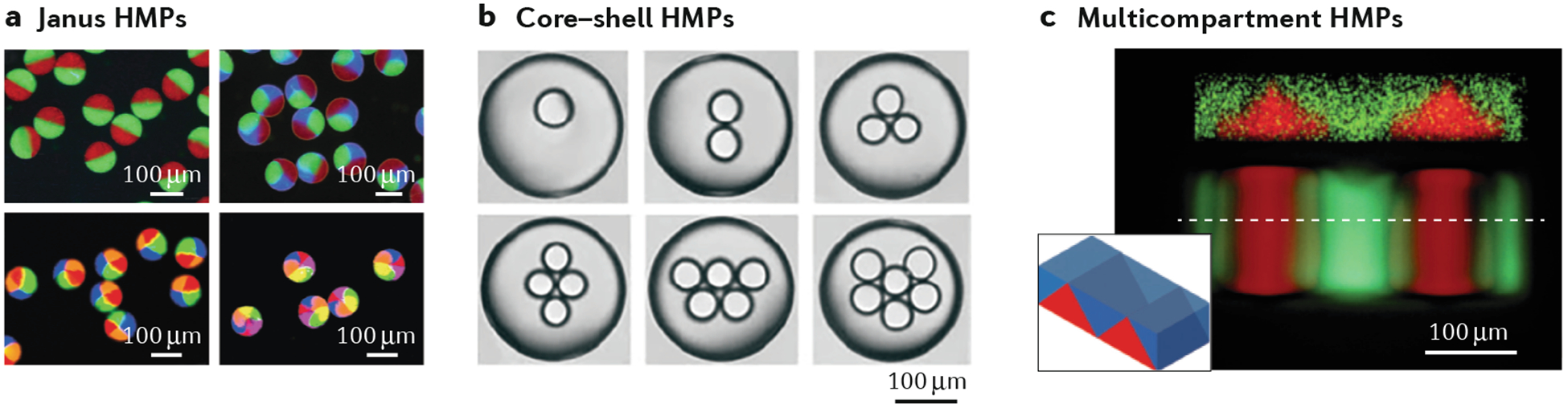
Fig. 3 |. Microfluidic and lithographic templating of compartmentalized hydrogel microparticles.
a | Microfluidic formation of Janus (multiple-sided) hydrogel microparticles (HMPs) containing up to six distinct compartments, which is achieved by using multibarrel microcapillaries. b | Formation of structured core–shell HMPs containing multiple compartments using co-axial, flow-focusing, microcapillary needle arrangements. c | Complex 3D structures fabricated using membrane-assisted photolithography, which facilitates sequential, layered polymerizations. The confocal microscopy image shows the cross section of the particle, the inset its 3D morphology. Panel a is adapted from reF., panel b from reF., panel c from reF..
Fig. 4 |
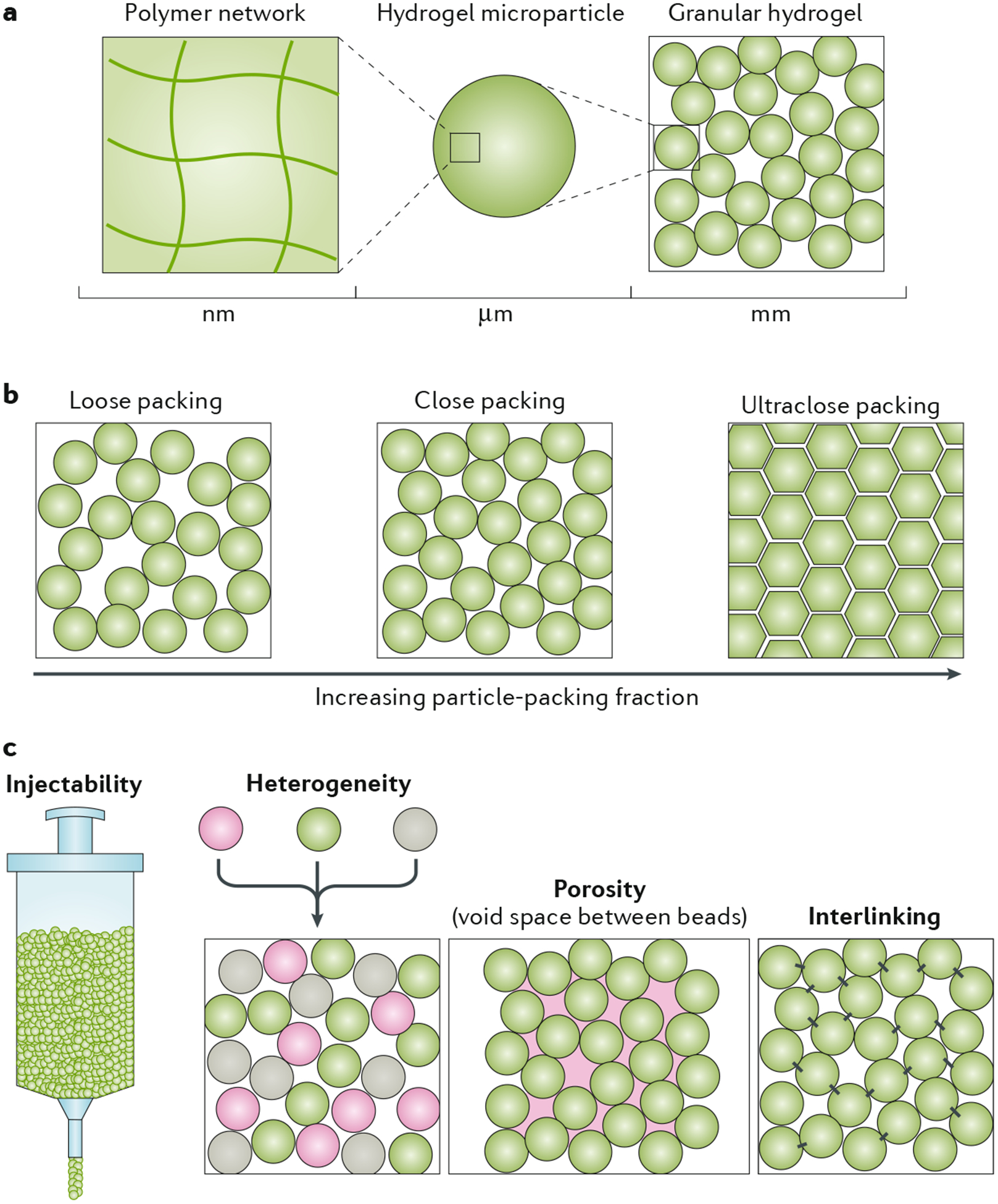
Fig. 4 |. Structure and properties of granular hydrogels.
a | Granular hydrogels have multiscale features, with the polymer network at the nanoscale, individual hydrogel microparticles (HMPs) at the microscale and the granular structure at the millimetre scale. b | When the particle-packing fraction of HMPs in a granular hydrogel increases, the system evolves from loose packing to close packing to, eventually, an ultraclose-packing state, in which the particles deform and void spaces collapse. The packing density affects physical properties such as porosity, transport and mechanical properties. c | Granular hydrogels have unique features, including injectability, heterogeneity (if different types of HMPs are mixed together) and porosity, which allows for passage through the structure. Interlinking between particles further stabilizes the structure.
Fig. 5 |
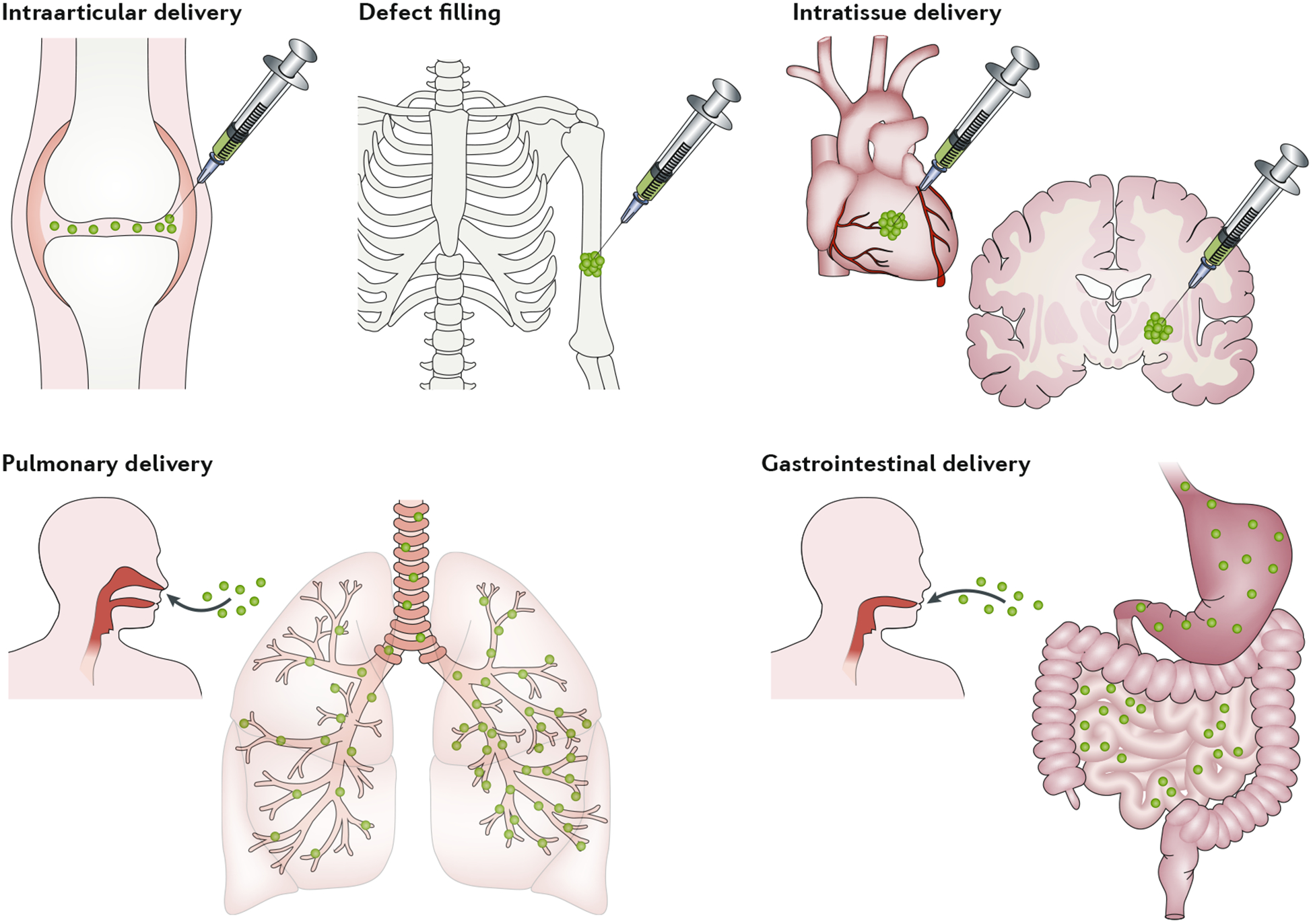
Fig. 5 |. Hydrogel microparticles delivery to various tissues in the body.
Examples of hydrogel microparticle delivery include: delivery to the intraarticular space; delivery to bone defects; intratissue delivery (for example, in the heart or brain); delivery to the lungs via aerosols; and delivery through the gastrointestinal tract to the intestine. Hydrogel microparticles can be delivered as suspensions, granular hydrogels or composites, and they may contain biologics, such as cells or drugs.
Fig. 6 |
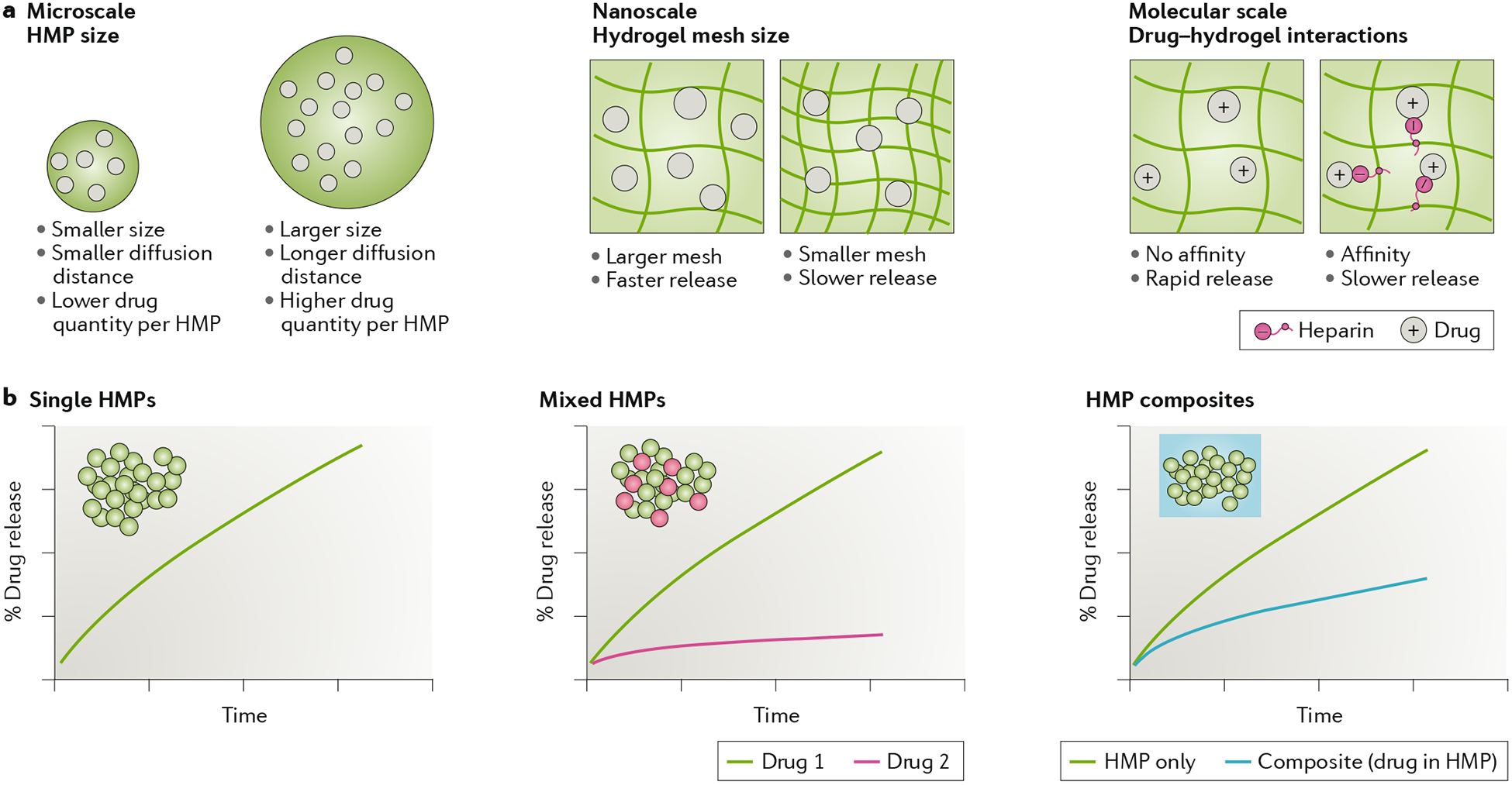
Fig. 6 |. Drug release from hydrogel microparticles.
a | General parameters that influence drug release from hydrogel microparticles (HMPs) are the particle size, network mesh size and molecular interactions between drug and hydrogel. b | Potential release profiles of drugs from HMPs for single HMP formulations, mixed HMP formulations to deliver multiple drugs and composites in which HMPs are embedded within a bulk hydrogel.
Fig. 7 |
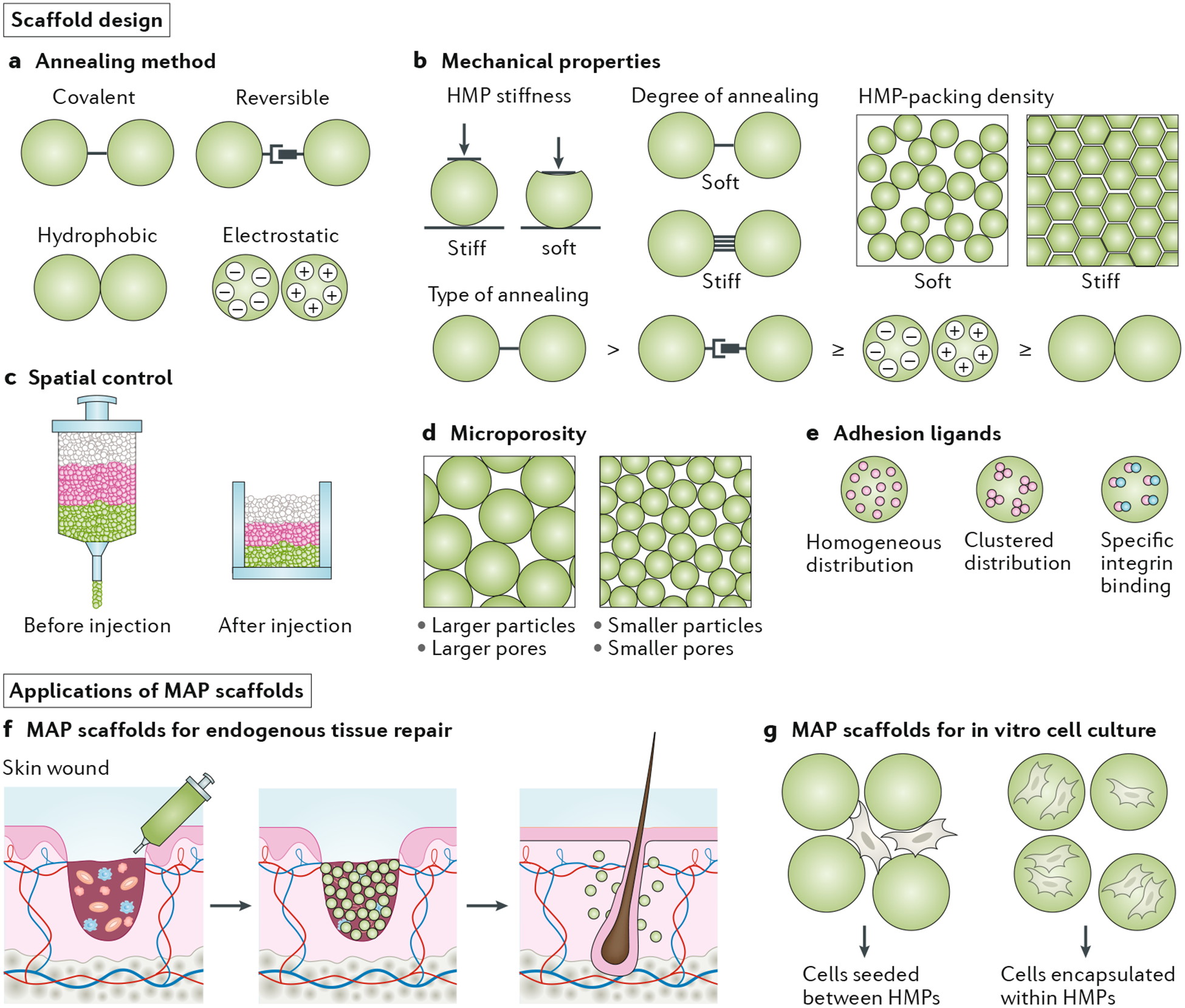
Fig. 7 |. Design considerations for building scaffolds from hydrogel microparticles.
Scaffold design includes the engineering of: a | The annealing chemistry (which can be covalent, reversible, electrostatic or hydrophobic, resulting in various strengths of interactions) used to form microporous annealed particle (MAP) scaffolds. b | The mechanical properties, which are modulated by the stiffness of the individual hydrogel microparticles (HMPs), the degree of annealing (number of bonds between HMPs), the HMP-packing density and the chemistry of annealing (for example, covalent bonding is stronger than non-covalent bonding). c | Spatial control during injection. d | HMP size, which influences microporosity. e | Ligand modification for adhesion (distribution and type of ligand presentation). Applications of HMPs include: f | Cutaneous endogenous repair. g | Cell culture (intraparticle and interparticle culture platforms).
Fig. 8 |
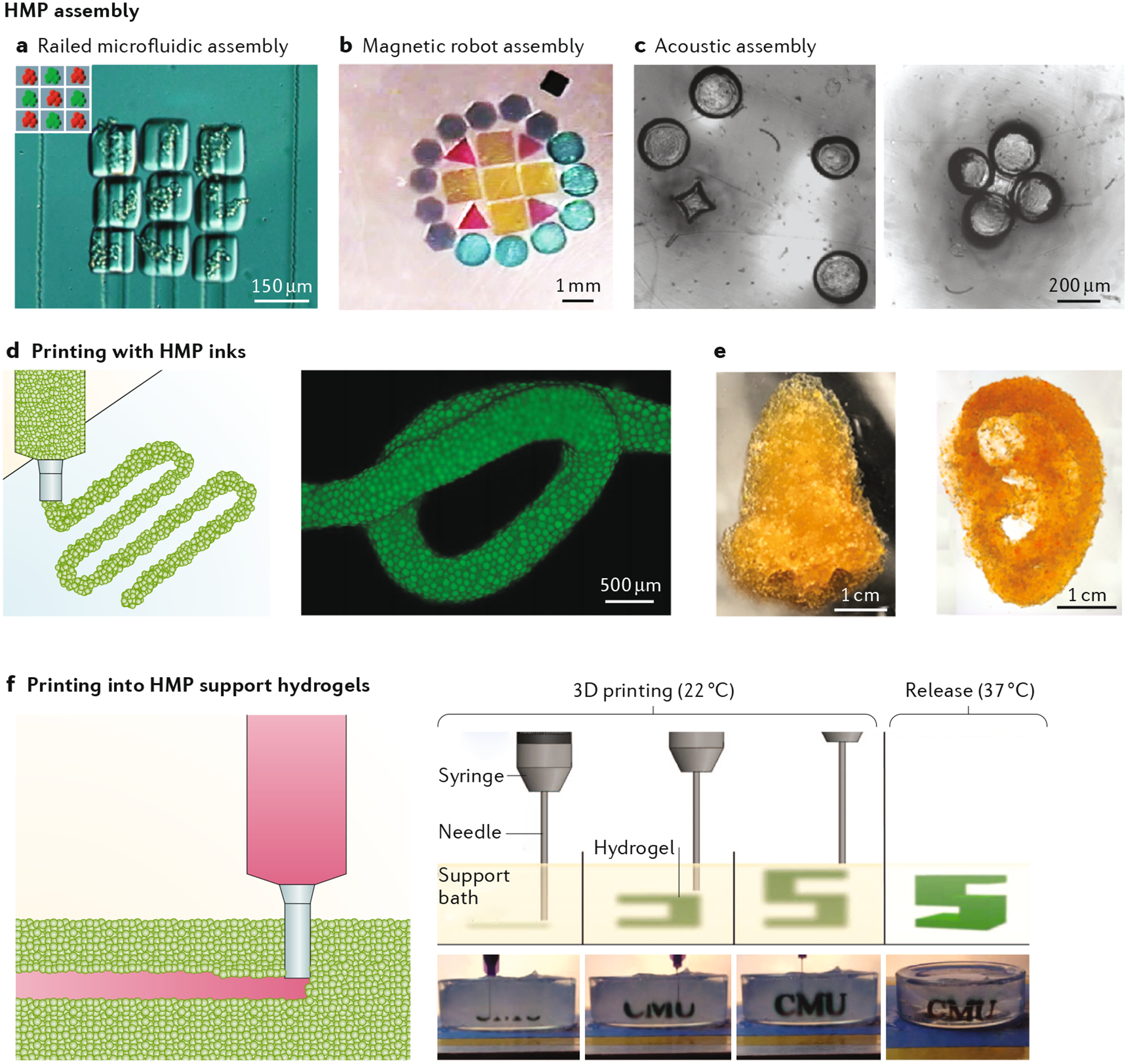
Fig. 8 |. Hydrogel microparticles in biofabrication.
Examples of hydrogel microparticle (HMP) bioassembly approaches, which include: a | Railed microfluidic bioassembly, in which cell-containing poly(ethylene glycol) diacrylate HMPs are fluidically guided along complimentarily grooved microchannels. b | Magnetically guided bioassembly of poly(ethylene glycol) diacrylate HMPs into 2D structures using untethered microrobots. c | Acoustically guided bioassembly of complimentary shaped HMPs. d | Extrusion printing of jammed-particle ink filaments prepared using hyaluronic-acid HMPs. e | Ear-shaped and nose-shaped structures printed using jammed poly(ethylene glycol) HMPs. f | Schematic illustrating the printing of a hydrogel ink into a HMP-based support medium, accompanied by an example of this approach, in which gelatin HMPs were used as a thermoreversible support bath in which the hydrogel precursor ink was deposited to form the letters CMU. Panel a is adapted from reF., panel b from reF., panel c from reF., panel d from reF., panel e from reF., panel f from reF..

References

    1. Caliari SR & Burdick JA A practical guide to hydrogels for cell culture. Nat. Methods 13, 405–414 (2016). - PMC - PubMed
    1. Van Vlierberghe S, Dubruel P & Schacht E Biopolymer-based hydrogels as scaffolds for tissue engineering applications: a review. Biomacromolecules 12, 1387–1408 (2011). - PubMed
    1. Li J & Mooney DJ Designing hydrogels for controlled drug delivery. Nat. Rev. Mater 1, 16071 (2016). - PMC - PubMed
    1. Annabi N et al. Controlling the porosity and microarchitecture of hydrogels for tissue engineering. Tissue Eng. Part B Rev 16, 371–383 (2010). - PMC - PubMed
    1. Henderson TMA, Ladewig K, Haylock DN, McLean KM & O’Connor AJ Cryogels for biomedical applications. J. Mater. Chem. B 1, 2682–2695 (2013). - PubMed