


COVID-19 in Relation to Hyperglycemia and Diabetes Mellitus
- PMID: 34124187
- PMCID: PMC8189260
- DOI: 10.3389/fcvm.2021.644095
COVID-19 in Relation to Hyperglycemia and Diabetes Mellitus
Abstract
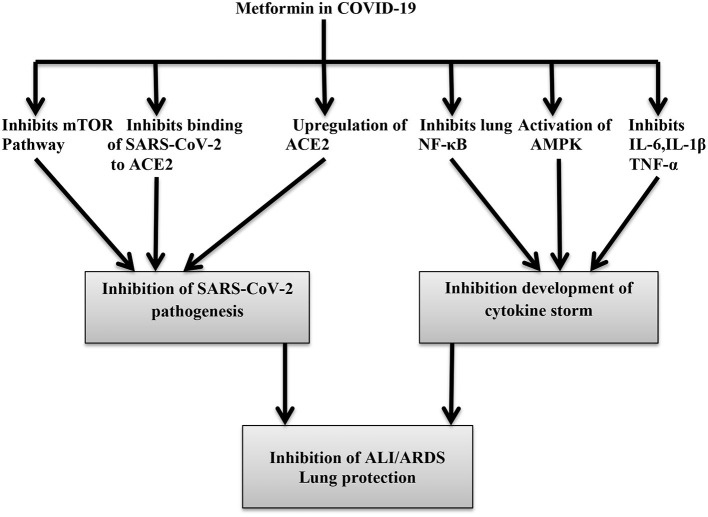
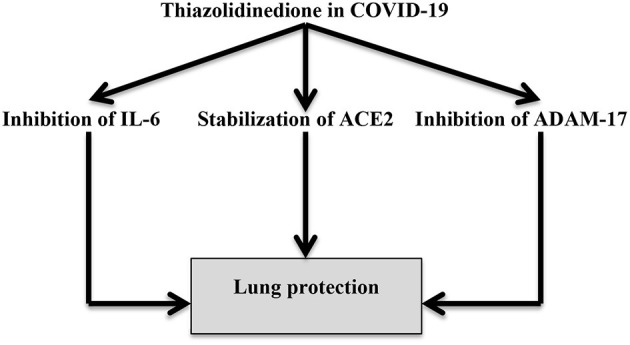
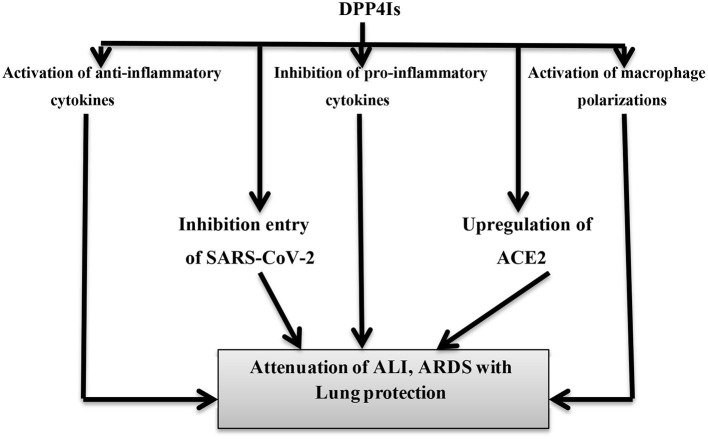
Coronavirus disease 2019 (COVID-19), triggered by the severe acute respiratory syndrome-coronavirus 2 (SARS-CoV-2), may lead to extrapulmonary manifestations like diabetes mellitus (DM) and hyperglycemia, both predicting a poor prognosis and an increased risk of death. SARS-CoV-2 infects the pancreas through angiotensin-converting enzyme 2 (ACE2), where it is highly expressed compared to other organs, leading to pancreatic damage with subsequent impairment of insulin secretion and development of hyperglycemia even in non-DM patients. Thus, this review aims to provide an overview of the potential link between COVID-19 and hyperglycemia as a risk factor for DM development in relation to DM pharmacotherapy. For that, a systematic search was done in the database of MEDLINE through Scopus, Web of Science, PubMed, Embase, China National Knowledge Infrastructure (CNKI), China Biology Medicine (CBM), and Wanfang Data. Data obtained underline that SARS-CoV-2 infection in DM patients is more severe and associated with poor clinical outcomes due to preexistence of comorbidities and inflammation disorders. SARS-CoV-2 infection impairs glucose homeostasis and metabolism in DM and non-DM patients due to cytokine storm (CS) development, downregulation of ACE2, and direct injury of pancreatic β-cells. Therefore, the potent anti-inflammatory effect of diabetic pharmacotherapies such as metformin, pioglitazone, sodium-glucose co-transporter-2 inhibitors (SGLT2Is), and dipeptidyl peptidase-4 (DPP4) inhibitors may mitigate COVID-19 severity. In addition, some antidiabetic agents and also insulin may reduce SARS-CoV-2 infectivity and severity through the modulation of the ACE2 receptor expression. The findings presented here illustrate that insulin therapy might seem as more appropriate than other anti-DM pharmacotherapies in the management of COVID-19 patients with DM due to low risk of uncontrolled hyperglycemia and diabetic ketoacidosis (DKA). From these findings, we could not give the final conclusion about the efficacy of diabetic pharmacotherapy in COVID-19; thus, clinical trial and prospective studies are warranted to confirm this finding and concern.
Keywords: COVID-19; SARS-CoV-2; cardiometabolic disturbances; diabetes mellitus; hyperglycemia.
Copyright © 2021 Al-kuraishy, Al-Gareeb, Alblihed, Guerreiro, Cruz-Martins and Batiha.
Conflict of interest statement
The authors declare that the research was conducted in the absence of any commercial or financial relationships that could be construed as a potential conflict of interest.
Figures
References
-
- Al-Kuraishy HM, Al-Gareeb AI. From SARS-CoV to nCoV-2019: ruction and argument. Arch Clin Infect Dis. (2020) 15:e102624. 10.5812/archcid.10262 - DOI
-
- Al-Kuraishy HM, Al-Naimi MS, Lungnier CM, Al-Gareeb AI. Macrolides and COVID-19: an optimum premise. Biomed Biotechnol Res J. (2020) 4:189. 10.4103/bbrj.bbrj_103_20 - DOI
-
- Kumar A, Faiq MA, Pareek V, Raza K, Narayan RK, Prasoon P, et al. Relevance of SARS-CoV-2 related factors ACE2 and TMPRSS2 expressions in gastrointestinal tissue with pathogenesis of digestive symptoms, diabetes-associated mortality, and disease recurrence in COVID-19 patients. Med Hypothes. (2020) 144:110271. 10.1016/j.mehy.2020.110271 - DOI - PMC - PubMed
-
- Alon TM, Doepke M, Olmstead-Rumsey J, Tertilt M. The impact of COVID-19 on gender equality. Natl Bureau Econ Res. (2020). 10.3386/w26947 - DOI
Publication types
LinkOut - more resources
Full Text Sources
Miscellaneous
